
The Psychological Foundation of Elite Status Systems

Loyalty programs are far more than just discount clubs; they are sophisticated psychological engines designed to foster a deep sense of belonging and exclusivity. At the heart of any VIP structure lies the principle of social stratification. Humans are inherently wired to recognize and aspire to hierarchy. When a brand creates a multi-tiered system, it isn’t just organizing its database; it is creating a gamified environment where progress is rewarded with both tangible assets and intangible social capital.
The concept of loss aversion plays a critical role in maintaining these hierarchies. Once a member reaches a certain tier, the fear of losing that status often outweighs the desire to gain new rewards. This psychological anchor ensures that the customer remains loyal to a single provider rather than shopping around. For instance, a frequent flyer might choose a more expensive or less convenient flight simply to maintain their status for the following year. This behavior is irrational from a purely financial perspective but perfectly logical within the framework of psychological status maintenance.
Exclusivity is the currency of the VIP world. By limiting certain benefits to a tiny fraction of the user base, brands create a powerful halo effect. Even those who are not in the top tier perceive the brand as higher quality because it caters to an elite group. This aspiration drives mid-tier members to spend more to bridge the gap. The architecture of these programs often involves hidden tiers, known only to the highest spenders, which adds an aura of mystery and prestige that money alone cannot always buy.
Personalization is the next frontier in the psychology of loyalty. In the past, generic rewards like a free bottle of wine were sufficient. Today, the VIP experience is defined by the brand’s ability to anticipate needs before they are articulated. This creates a sense of being ‘known’ and ‘valued,’ which mimics the dynamics of a personal relationship. When a hotel remembers a guest’s preference for a specific type of pillow or a certain temperature in the room, it transcends a commercial transaction and becomes an emotional bond.
The gamification aspect cannot be overlooked. Points, badges, and progress bars tap into the brain’s dopamine system. Every time a member checks their balance and sees they are ‘only 5,000 miles away’ from the next level, a small burst of motivation is triggered. This constant feedback loop keeps the brand at the top of the consumer’s mind. It turns consumption into a sport where the rules are clearly defined and the rewards are highly visible.
Finally, the sense of community plays a role. Elite lounges and private events allow high-net-worth individuals to congregate with their peers. This networking opportunity is often more valuable than the actual service being provided. A VIP program that facilitates these connections becomes an indispensable part of the member’s professional and social life, making it nearly impossible for them to churn to a competitor who only offers lower prices.
The Casino Model: High Stakes and Human Touch
The gambling industry pioneered many of the VIP tactics used today across other sectors. In a casino environment, the VIP program is a precision-engineered system designed to maximize the Lifetime Value (LTV) of a player. Unlike retail loyalty, where the margins are often thin, the high margins in gaming allow for extraordinary reinvestment in the customer. This manifests in the form of ‘comps’ or complimentary services that can range from free meals to private jet transfers.
Central to the casino VIP experience is the Casino Host. This individual acts as a personal concierge, salesman, and friend. Their job is to monitor the player’s activity in real-time and intervene with rewards at the precise moment they are most effective. If a player is on a losing streak, the host might offer a free dinner at a high-end steakhouse to break the tension and ensure the player leaves with a positive memory despite the financial loss.
Data analytics in casinos are among the most advanced in the world. Every bet, every spin, and every minute spent at a table is recorded and analyzed. This allows the house to calculate the Theoretical Loss (Theo) of a player. VIP rewards are usually calculated as a percentage of this Theo, rather than the actual win or loss. This ensures that the casino remains profitable while the player feels consistently rewarded regardless of short-term outcomes.
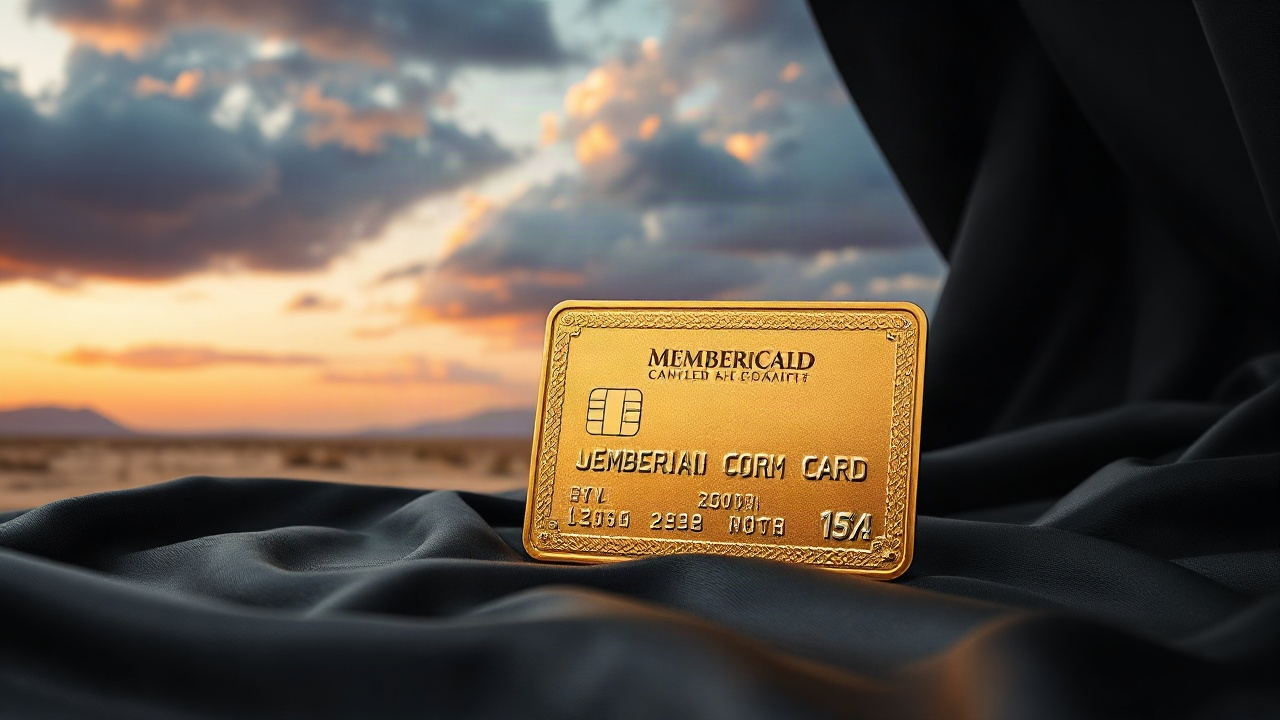
Tiered structures in casinos are often highly visible. Platinum or Diamond cards are frequently color-coded and made of heavier materials to provide a tactile sense of importance. These cards grant access to ‘high-limit’ rooms where the environment is quieter, the service is faster, and the stakes are higher. This physical separation is a key component of the VIP strategy, reinforcing the idea that the member has ‘arrived’ at a higher level of social standing.
Beyond the physical casino, online platforms have adapted these models using sophisticated algorithms. Online VIPs receive personalized bonuses, faster withdrawal times, and access to dedicated account managers. The digital transition has allowed for even more granular tracking of behavior, enabling platforms to send ‘nudge’ notifications or custom offers based on the specific games a player prefers or the time of day they typically play.
The ‘reinvestment rate’ is a critical metric here. A typical casino might reinvest 10% to 30% of a player’s theoretical value back into them through gifts, travel, and bonuses. This creates a cycle where the player feels they are getting a ‘deal’ even though the house maintains its edge. It is a masterclass in value perception management that has been studied and copied by luxury brands worldwide.
The Mechanics of Casino Tiers
- Entry Level: Basic tracking, small discounts on dining, and occasional mail offers.
- Mid-Tier: Waived resort fees, priority check-in lines, and access to basic lounges.
- Elite Tier: Personal host, complimentary suites, invitations to exclusive tournaments, and airfare reimbursement.
- Invitation Only: The ‘Black Card’ level where everything is bespoke, from private shopping trips to birthday gifts for family members.
Airline Loyalty: The Currency of the Skies

Aviation loyalty programs, often called Frequent Flyer Programs (FFPs), have evolved from simple marketing tools into multi-billion dollar financial assets. In many cases, the loyalty division of a major airline is more valuable than the flight operations themselves. This is because airlines sell their miles to credit card companies, who then use them to incentivize consumer spending. The VIP tiers in these programs are the engine that drives this demand.
The elite status ladder in aviation is typically divided into three or four tiers, such as Silver, Gold, and Platinum. The benefits are carefully calibrated to solve the ‘pain points’ of travel. For a VIP, the airport experience is transformed through priority security lanes, lounge access, and early boarding. These perks save time and reduce stress, making them highly addictive for business travelers who spend a significant portion of their lives on the road.
Upgrade mechanics are the ‘holy grail’ of airline loyalty. The possibility of moving from an economy seat to a lie-flat business class bed creates a powerful incentive to reach the next tier. Airlines use complex algorithms to manage this inventory, ensuring that upgrades are given as a reward for loyalty while still leaving room to sell those seats to cash-paying customers. This balancing act is crucial for maintaining the perceived value of the status.
| Benefit Category | Silver / Entry Elite | Gold / Mid-Tier Elite | Platinum / Top-Tier |
|---|---|---|---|
| Baggage | 1 extra bag free | 2 extra bags free | 3 extra bags + Priority handling |
| Lounge Access | Discounted entry | Free for member + 1 guest | Worldwide First Class lounges |
| Seat Selection | Preferred seats at check-in | Extra legroom at booking | Any seat, anytime, including blocked seats |
| Customer Service | Standard line | Priority phone line | Dedicated 24/7 concierge |
Airlines also utilize partnership ecosystems to increase the utility of their VIP status. Through alliances like Star Alliance or Oneworld, a Platinum member on one airline enjoys similar perks on dozens of other carriers globally. This ‘network effect’ makes the status globally relevant, ensuring that the member remains loyal even when flying on routes not served by their primary airline.
The concept of ‘Soft Landings’ and ‘Status Challenges’ are clever retention tools. A soft landing ensures that if a member fails to requalify for their current tier, they only drop down one level rather than losing all benefits. Status challenges allow high-value customers from competing airlines to ‘match’ their status, making it easy for them to switch brands without losing their hard-earned perks. This aggressive poaching of VIPs is a common tactic in the hyper-competitive aviation market.
Hospitality Programs: Creating a Home Away From Home
In the hotel industry, VIP programs focus on recognition and comfort. While an airline focuses on the journey, a hotel focuses on the destination. The goal of a hospitality VIP program is to make the guest feel like the hotel is their personal residence. This is achieved through room upgrades, early check-in, and late check-out, which are the most highly valued perks among frequent travelers.
The ‘Upgrade at Check-in’ is a classic hospitality move. For the hotel, a suite that would otherwise sit empty costs very little to provide to a VIP. For the guest, however, the perceived value of moving from a standard room to a junior suite is immense. This creates a high Return on Loyalty for the brand. Advanced programs now allow VIPs to confirm these upgrades days in advance through mobile apps, removing the uncertainty and enhancing the anticipation of the stay.
Club Lounges are the physical manifestation of VIP status in hotels. These restricted areas offer complimentary breakfast, evening cocktails, and a quiet space to work. For the business traveler, this represents a significant cost saving and a massive convenience. The lounge acts as a ‘sanctuary’ within the hotel, reinforcing the exclusivity of the tier. The quality of the lounge is often the deciding factor for a VIP when choosing between two competing hotel brands.
The ‘Points + Cash’ model has become a staple in hospitality. It allows members to redeem their points even if they haven’t accumulated enough for a full free night. This keeps members engaged with the program and prevents the ‘points fatigue’ that occurs when rewards feel out of reach. By lowering the barrier to redemption, hotels keep their VIPs in a constant cycle of earning and burning points.
Beyond the standard perks, top-tier hotel loyalty often includes ‘Milestone Rewards.’ These are choice-based benefits earned at specific intervals, such as every 10 or 20 nights. A member might choose between bonus points, suite night awards, or even gifting status to a friend. This level of customization makes the program feel more responsive to the individual’s specific needs and preferences.
The ultimate level of hospitality VIP status often involves a personal ‘Ambassador’ or ‘Concierge.’ This person handles all bookings, special requests, and complaints for the member across the entire global portfolio of the brand. This single point of contact simplifies the member’s life and creates a powerful human connection that is very difficult for a competitor to break with just a lower price or a nicer room.
Retail and E-commerce: The Rise of Paid VIP Tiers
In the retail sector, the VIP landscape has shifted toward subscription-based loyalty. Programs like Amazon Prime or Sephora’s Beauty Insider have redefined what it means to be a ‘Very Important Customer.’ In this model, the customer often pays an upfront fee to access a suite of benefits. This ‘paid entry’ creates a powerful psychological commitment; because the customer has paid for the membership, they feel a ‘duty’ to use it as much as possible to get their money’s worth.
E-commerce VIP programs prioritize frictionless commerce. Free and fast shipping is the baseline, but the real VIP value comes from early access to new products, ‘members-only’ sales, and enhanced return policies. For fashion retailers, this might include a ‘try before you buy’ service where VIPs can have clothes sent to their home, keep what they like, and return the rest without any upfront payment.
Data-driven personalization in retail is incredibly granular. A VIP member at a high-end department store might receive a curated ‘lookbook’ based on their past purchases and browsing history. This isn’t just marketing; it’s a concierge service that saves the customer time and effort. When a brand can accurately predict what a customer will want next, it moves from being a vendor to a trusted advisor.
The VIP Retail Checklist
- Early Access: Shopping new collections 24-48 hours before the general public.
- Free Alterations: A classic high-end perk that ensures the product fits perfectly.
- Personal Stylist: Access to an expert who can curate outfits and offer fashion advice.
- Exclusive Events: Invitations to in-store launch parties or private ‘sip and shop’ evenings.
- Priority Support: A dedicated customer service line or chat that bypasses the general queue.
The beauty industry has mastered the ‘community’ aspect of VIP loyalty. Top-tier members are often invited to join private online forums where they can interact with brand founders or professional makeup artists. This turns the act of buying a product into an entry into a lifestyle club. The social validation from other community members reinforces the value of the VIP status more effectively than any corporate advertisement ever could.
The Financial Services Tier: Metal Cards and Global Access
Banks and credit card issuers have turned the physical card into a status symbol. The shift from plastic to heavy metal cards (like titanium or stainless steel) was a masterstroke in sensory marketing. The ‘clink’ of a metal card on a restaurant table is a subtle but powerful signal of wealth and status. However, the true value of financial VIP programs lies in the ‘lifestyle’ benefits that come with the account.
High-end credit cards often act as a ‘passport’ to other VIP programs. They offer automatic elite status with hotel chains and car rental companies, as well as access to airport lounges via networks like Priority Pass. This aggregation of status is a key selling point for the modern affluent consumer who wants the benefits of loyalty without having to spend years earning them through a single brand.
Concierge services provided by banks are often surprisingly robust. These services can secure tables at ‘impossible’ restaurants, find tickets to sold-out concerts, or even help track down rare luxury items. For a VIP, whose most limited resource is often time, having a professional assistant available 24/7 at no extra cost is a significant value proposition. The bank becomes an essential partner in managing the customer’s lifestyle.
Insurance and protection are the ‘invisible’ perks of financial VIP tiers. Purchase protection, extended warranties, and comprehensive travel insurance are often included with premium accounts. While not as glamorous as a lounge or a metal card, these benefits provide peace of mind and financial security, creating a ‘sticky’ relationship where the customer is hesitant to close the account and lose the coverage.
The Tech Sector: Ecosystem Lock-in as VIP Loyalty
In the world of technology and software, VIP loyalty is often rebranded as ‘Pro’ or ‘Premium’ tiers. For companies like Apple, Google, or Adobe, the goal is ecosystem lock-in. The more a user is integrated into the system, the higher the cost of switching. VIPs in this context are often ‘Power Users’ who receive beta access to new features, increased cloud storage, and priority technical support.
Subscription models (SaaS) have changed the way tech companies view loyalty. It’s no longer about a one-time purchase but about maintaining a monthly or yearly relationship. VIP perks here often include ‘customer success managers’ for enterprise clients or exclusive training webinars for individual pros. The focus is on ensuring the customer gets the maximum possible value out of the product, which in turn ensures they continue to pay for it.
The ‘Developer’ tier is a unique form of VIP loyalty. By providing specialized tools, early API access, and dedicated support to developers, tech giants ensure that the best apps and services are built on their platforms. These developers are the ultimate VIPs because their work attracts more users to the ecosystem. It’s a B2B loyalty model that has massive B2C implications.
Hardware manufacturers also use VIP programs to reward ‘early adopters.’ These individuals are the first to buy every new gadget and act as brand evangelists. Rewarding them with exclusive ‘founder’ badges, special edition colors, or trade-in deals that are better than the market average keeps them at the cutting edge of the brand’s product line and prevents them from eyeing the competition.
The Future of VIP Loyalty: Blockchain and Personal Data Sovereignty
The next evolution of VIP programs is likely to be built on blockchain technology. This allows for ‘tokenized’ loyalty where points are actual digital assets that can be traded, sold, or combined across different brands. This would solve one of the biggest complaints of modern loyalty programs: the ‘fragmentation’ of points across dozens of different accounts. A unified loyalty token would have real-world value and could be used as a form of currency.
Furthermore, NFTs (Non-Fungible Tokens) are already being used by luxury brands to represent VIP membership. An NFT can act as a digital key that grants access to physical events, digital products, or exclusive communities. Unlike a traditional database entry, an NFT is owned by the customer and can be displayed in a digital gallery, adding a new layer of social signaling to the VIP experience.
Personal data sovereignty will also play a role. In the future, VIPs may choose to share more granular data with a brand in exchange for even higher levels of personalization. This ‘data-for-service’ swap will be more transparent and consensual than current tracking methods. A VIP might grant a hotel access to their health data so the hotel gym can prepare a personalized workout or the restaurant can suggest a meal that fits their current nutritional needs.
Artificial Intelligence will move from being a backend tool to a frontend VIP assistant. Imagine an AI that knows your travel preferences, your budget, and your schedule, and then ‘negotiates’ with various loyalty programs to get you the best possible deal or upgrade. The VIP of the future won’t manage their own points; their AI agent will do it for them, ensuring they always maximize the value of their status without ever lifting a finger.
Summary of Trends in VIP Loyalty
- From Points to Experiences: Shifting focus from monetary rewards to unique, money-can’t-buy moments.
- Hyper-Personalization: Using AI to predict and fulfill needs before the customer asks.
- Emotional Connection: Moving beyond transactions to build a brand ‘tribe.’
- Sustainability and Values: Rewarding VIPs for sustainable choices, such as carbon offsetting or recycling products.
- Seamless Integration: Removing all friction from the reward redemption process through mobile-first design.