
The Architecture of Aspiration and Grandeur

The visual language of high-end casinos is never accidental. From the moment one approaches the heavy gilded doors of a legendary establishment in Monte Carlo or the neon-lit glass towers of Macau, the environment is engineered to broadcast a specific message: this is a space where the usual rules of scarcity do not apply. The architecture itself serves as a physical manifestation of limitless resources. High ceilings, expansive marble floors, and intricate moldings evoke the palaces of European royalty, effectively bridging the gap between historical nobility and modern-day wealth.
Historically, the first grand gambling houses were modeled after private clubs and aristocratic villas. This wasn’t merely a stylistic choice; it was a strategic branding move to attract the upper classes who sought a familiar, elite environment. By surrounding players with columns, frescoes, and monumental staircases, these venues elevated the act of wagering from a simple pastime to a high-stakes social ritual. This architectural legacy persists today, where even the most modern resorts utilize grand scales to make individuals feel small yet part of something monumental.
Light plays a crucial role in this architectural theater. The absence of clocks and windows is a well-known industry tactic, but the quality of artificial light is even more significant. Warm, golden hues from crystal chandeliers create a flattering glow, making everything and everyone appear more expensive. This ‘golden hour’ effect is maintained 24/7, ensuring that the atmosphere of opulence never wavers. The lack of natural light creates a timeless bubble, a separate reality where the mundane pressures of the outside world—bills, schedules, and work—simply cease to exist.
Materiality is the next layer of this psychological construct. Designers favor surfaces that reflect light and imply high maintenance costs. Polished brass, deep mahogany, lush velvets, and rare stones are standard. These materials require constant care, which implies a massive staff working behind the scenes. This hidden labor is a hallmark of true luxury; the guest sees only the pristine result, reinforcing the idea that they are in a space of effortless perfection.
Furthermore, the spatial layout is designed to encourage exploration while maintaining an air of exclusivity. Private nooks and VIP lounges are often visible but inaccessible to the general public, creating a visible hierarchy of success. Seeing the ‘inner sanctum’ from afar fuels the desire to ascend the social ladder. The architecture doesn’t just house the games; it maps out a journey of social mobility, where every hallway and mezzanine suggests that greater rewards are just around the corner.
Finally, the acoustic design of these spaces contributes to the feeling of wealth. The soft ‘thud’ of high-quality cards on felt, the melodic chime of slot machines calibrated to C-major (a key associated with happiness), and the hushed tones of professional dealers create a soundscape of prosperity. Even the air is often curated, with signature scents pumped through ventilation systems to create a sensory anchor that ties the feeling of luxury to the specific brand of the establishment.
The Psychology of the ‘Winner’ Identity
Human psychology is deeply susceptible to environmental cues. When surrounded by the trappings of extreme wealth, individuals subconsciously begin to adopt the traits they associate with that environment. This phenomenon, often called enclothed cognition when applied to dress, also applies to spaces. In a casino, the guest is invited to play the role of a ‘high roller,’ regardless of their bank account’s actual status. This temporary adoption of a wealthy persona is a primary driver of the industry’s allure.
The concept of ‘success by association’ is a powerful motivator. In these spaces, wealth isn’t just something you have; it’s something you breathe. By participating in the environment, the guest feels they have gained access to a social stratum that is usually gated. This ‘borrowed luxury’ provides a psychological boost, offering a taste of a lifestyle characterized by risk-taking and high rewards—the very traits often celebrated in modern capitalist mythology.
Key Psychological Drivers of Casino Allure
- Escapism: The ability to leave behind a middle-class identity for a few hours.
- Status Signaling: The use of luxury environments to validate one’s self-worth.
- The Illusion of Control: Surrounding oneself with finery can create a false sense of mastery over luck.
- Risk Romanticism: Associating gambling with the ‘boldness’ of historical explorers and tycoons.
- Social Validation: Being treated with the deference usually reserved for the elite.
The service model in high-end gaming reinforces this identity. Personal hosts, attentive waitstaff, and professional croupiers treat every guest with a level of formality that is rare in daily life. This ‘deference on demand’ is a key component of the luxury experience. It validates the guest’s presence in the space, confirming that they ‘belong’ among the successful. This social validation is often more addictive than the games themselves, as it satisfies a fundamental human need for recognition and status.
Moreover, the aesthetics of success are often tied to the concept of ‘conspicuous consumption.’ In a casino, the display of wealth is not only permitted but encouraged. Betting large sums in a lavish setting is a performance of financial power. For many, the ability to ‘throw away’ money in a beautiful environment is the ultimate proof of success, as it suggests an abundance so great that losses are inconsequential. This performative aspect of gambling is what bridges the gap between simple entertainment and the projection of status.
The visual cues of the casino also tap into our evolutionary preference for abundance. Bright lights, vibrant colors (especially reds and golds), and a sense of plenty signal a ‘resource-rich’ environment. In our ancestral past, such environments meant survival; in the modern world, they mean wealth. Our brains are hardwired to feel positive and energized in these settings, making the casino aesthetic a universal language of prosperity that transcends cultural boundaries.
The Evolution of Gaming Elegance
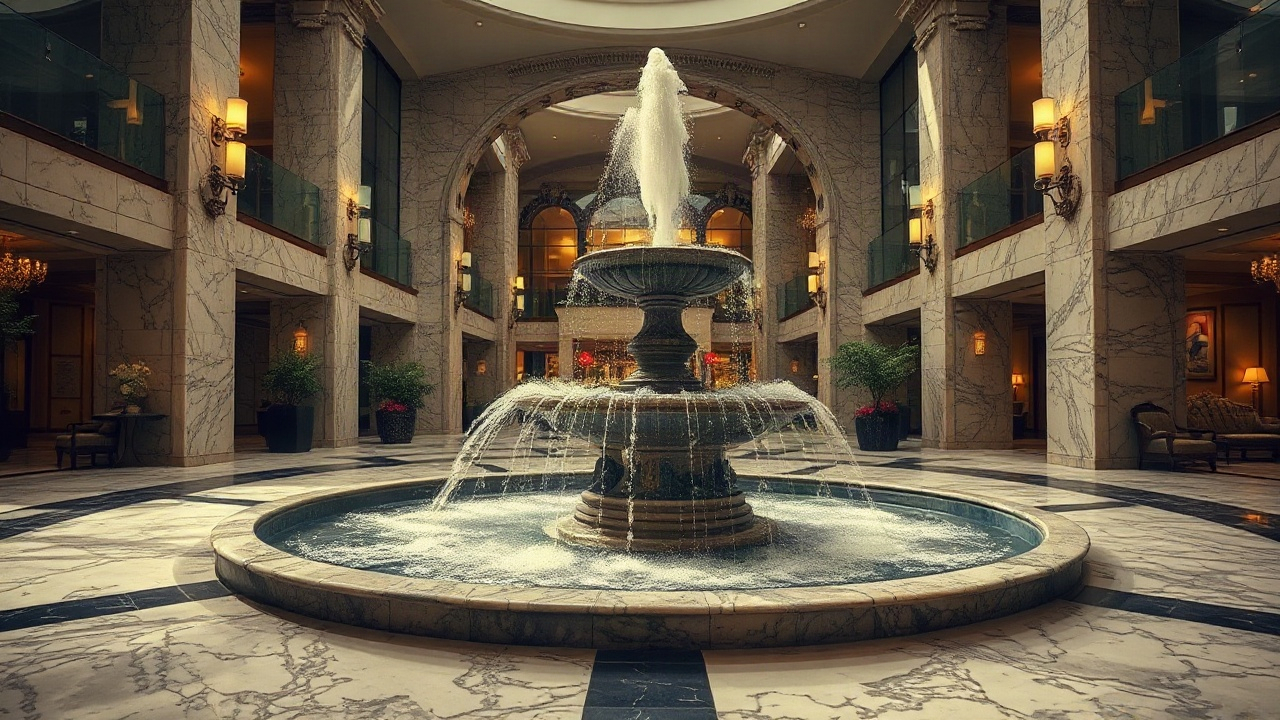
The association between casinos and wealth has evolved through several distinct eras, each adding a new layer to the aesthetic. From the clandestine gambling dens of the 18th century to the mega-resorts of today, the look of ‘winning’ has shifted while keeping its core of exclusivity. Understanding this evolution helps explain why certain symbols—like the tuxedo or the roulette wheel—remain potent icons of success.
In the 19th century, the ‘Grand Casino’ model emerged in Europe, most notably in Baden-Baden and Monte Carlo. These venues were extensions of the royal court life. The aesthetics were Beaux-Arts and Baroque, characterized by heavy ornamentation and a sense of permanent, old-world power. Success here was measured by lineage and social standing, and the casino was the stage where this standing was performed.
| Era | Primary Aesthetic | Symbol of Wealth | Core Philosophy |
|---|---|---|---|
| 19th Century | Beaux-Arts / Baroque | Gold leaf, velvet, chandeliers | Aristocratic entitlement |
| Mid-20th Century | Art Deco / Mid-Century Modern | Neon, sharp angles, sleek chrome | The ‘Rat Pack’ coolness |
| Late 20th Century | Themed Megarepublic | Replicas of landmarks (Eiffel Tower, etc.) | Democratization of luxury |
| Modern Day | Contemporary Minimalism / Ultra-Luxe | Natural stone, digital art, clean lines | Sophisticated globalism |
The mid-20th century saw a shift toward a more cinematic version of luxury, epitomized by Las Vegas. This era introduced the ‘cool’ factor. Success was no longer just about being an aristocrat; it was about being a ‘rebel with a bankroll.’ The aesthetics moved toward Art Deco and later, a vibrant, neon-soaked modernism. This period solidified the image of the successful gambler as a sharp-dressed, cocktail-sipping sophisticate, a template that still influences pop culture today.
The rise of the themed mega-resort in the 1990s attempted to democratize luxury by creating ‘fantasylands’ of wealth. By recreating Venice, Paris, or Ancient Rome, these casinos used historical signifiers of power to create a sense of awe. While sometimes criticized as kitsch, these environments were incredibly effective at making the average tourist feel like a guest at a high-stakes table. They proved that the ‘feeling’ of wealth could be manufactured through scale and visual storytelling.
Today, we see a move toward ‘Integrated Resorts’ that blend gambling with high fashion, fine dining, and contemporary art. The modern aesthetic of success is more understated but significantly more expensive to produce. It relies on ‘quiet luxury’—high-end textures, bespoke furniture, and cutting-edge technology. This shift reflects the changing tastes of the global elite, who now value exclusivity, wellness, and ‘experiences’ over traditional gaudy displays of gold.
The Color Palette of Prosperity
Color is one of the most powerful tools in the designer’s arsenal for evoking wealth. In the world of high-stakes gaming, certain colors are used repeatedly because of their deep-seated psychological associations. Understanding this ‘chromatic code’ reveals how casinos influence our perception of value and success without a single word being spoken.
Gold is the most obvious signifier. It is the color of the sun, of divine power, and of the most stable currency in human history. In a casino, gold is used in accents, frames, and even the weave of carpets. It suggests that everything within the space is backed by a ‘gold standard’ of quality. Gold doesn’t just represent money; it represents the light of success itself, casting a halo over the activities of the players.
Deep Red is the color of passion, energy, and nobility. Historically, red dyes were among the most expensive to produce, making red fabrics a mark of status. In casinos, the red carpet is literal—it signals that the guest is a VIP. Red also has a physiological effect: it increases the heart rate and stimulates appetite and risk-taking. It is the color of the ‘heat’ of the game, keeping the energy levels high and the atmosphere charged with possibility.
Emerald Green and Royal Blue are often used to provide a sense of stability and calm in high-tension areas. Green, the color of the felt on card tables, has a dual meaning: it is the color of money (in many cultures) and the color of nature. It provides a restful background for the eyes during long periods of concentration. Royal blue, on the other hand, suggests trust, integrity, and ‘blue blood’ heritage. It is often found in high-limit rooms where the stakes are highest and the need for a ‘serious’ atmosphere is paramount.
Black and white provide the necessary contrast to make these rich colors pop. Black is the color of formal wear, of ‘black-tie’ events, representing sophistication and mystery. White, especially in the form of bright marble, represents purity and expensive maintenance. The interplay of these colors creates a visual hierarchy, guiding the eye toward the most ‘important’ (and usually most expensive) parts of the room.
Modern designers are increasingly using ‘neutral’ luxury palettes—beiges, greys, and taupes—to signal a more contemporary, sophisticated version of wealth. These colors suggest a confidence that doesn’t need to shout. They provide a canvas for expensive art installations or dramatic lighting, catering to a demographic that finds traditional casino glitz to be outdated. This ‘new’ palette still serves the same goal: creating a space that feels inherently more valuable than the world outside.
The Symbolism of the Objects

Beyond the walls and carpets, the specific objects found in a casino are themselves icons of success. Each piece of equipment, from the deck of cards to the high-limit chip, is designed to be a tactile representation of value. These objects are the ‘props’ in the theater of wealth, and their design is meticulously refined to ensure they feel substantial and significant.
Consider the casino chip. In a world of digital transactions, the chip remains a physical anchor. It has weight, a specific sound when clinked against others, and a texture that feels ‘right’ in the hand. The transition from paper currency to chips is a psychological masterstroke. It de-contextualizes the money, turning it into a game piece, while the design of the chip—often featuring complex security patterns and vibrant colors—communicates that it is a valuable asset. The higher the denomination, the more intricate the design, mirroring the way we perceive high-value currency.
The roulette wheel is perhaps the ultimate symbol of the casino. Its mechanical precision is a metaphor for the ‘clockwork’ of fate. A high-quality wheel is a masterpiece of engineering, made from exotic woods and precision-balanced metals. Its smooth, silent rotation suggests a level of craftsmanship that is only available to the wealthy. It is the ‘wheel of fortune’ made manifest, a spinning icon of the chance to change one’s life in an instant.
The Anatomy of Luxury Gaming Objects
- Weight: Heavy objects (chips, card shoes) are perceived as more valuable and ‘real.’
- Sound: The specific ‘clack’ of ceramic chips or the ‘shirr’ of a card shuffle is engineered for satisfaction.
- Texture: High-grade felt and polished wood provide a tactile sense of quality.
- Visual Complexity: Intricate patterns prevent counterfeiting and suggest ‘expensive’ manufacturing.
- Branding: Every object is a micro-advertisement for the venue’s prestige.
Even the seating is a study in luxury. Casino chairs are not just furniture; they are ‘thrones’ for the players. Ergonomically designed for long sessions, they are upholstered in the finest materials. In high-limit areas, these chairs are often larger and more ornate, physically elevating the player. The comfort provided is a form of ‘hospitality-as-wealth,’ where the guest’s physical needs are anticipated and met with the highest quality solutions.
Finally, the cards themselves are symbols of power. A fresh deck, opened in front of the players, represents a clean slate and a new opportunity. The crispness of the plastic or high-quality paper, the vibrant ink of the royalty cards, and the ritual of the shuffle all contribute to a sense of order and high-stakes drama. These objects are the tools of the trade, and in the hands of a skilled dealer, they become instruments in a performance of elegance and chance.
The Role of Fashion and the ‘Black Tie’ Myth
The image of the casino is inseparable from the image of the people within it. Pop culture, especially cinema, has spent decades cementing the ‘James Bond’ aesthetic as the gold standard for gambling. This ‘black tie’ myth creates a feedback loop: casinos design spaces that look good with formal wear, and people dress up to match the spaces, further reinforcing the association with success.
Fashion in the casino is a form of social armor. By dressing in a suit or a cocktail dress, the guest signal that they have the time, money, and social awareness to adhere to a high standard. This isn’t just about vanity; it’s about belonging. In the ‘temple of wealth,’ the dress code is the liturgy. It transforms a group of strangers into a cohesive elite, even if only for the duration of the night.
The evolution of casino fashion mirrors the evolution of the venues themselves. In the early days, formal wear was mandatory—a gatekeeping mechanism to ensure only the ‘right’ people entered. As casinos became more accessible, the dress codes relaxed, but the *image* of the tuxedo remained the primary marketing tool. Today, while you might see jeans on the main floor, the high-limit rooms often still maintain a ‘smart-casual’ or formal requirement, preserving the pocket of traditional luxury.
Interestingly, the staff’s uniforms are just as important as the guests’ attire. Croupiers and hosts are often dressed in versions of formal wear that are slightly more functional but no less sharp. This creates a professional environment where the service feels ‘ordered’ and ‘disciplined.’ The contrast between the uniformed staff and the elegantly dressed guests creates a scene reminiscent of a royal ball, where everyone has a role to play in the grand narrative of success.
Fashion also serves as a distraction from the reality of the game. It’s harder to feel like you are losing when you look like a million dollars. The mirror in the restroom that shows a well-dressed, successful-looking individual provides a psychological ‘buffer’ against the losses on the floor. It reinforces the idea that the person is a ‘winner’ in life, regardless of the cards they were dealt in the last round.
Ultimately, the aesthetics of casino fashion are about aspirational identity. Most people don’t wear formal attire in their daily lives. By doing so in a casino, they are stepping into a different version of themselves—a version that is wealthier, more confident, and more adventurous. The casino provides the stage, and the fashion provides the costume for this transformation.
The Digital Shift: Porting Luxury to the Screen
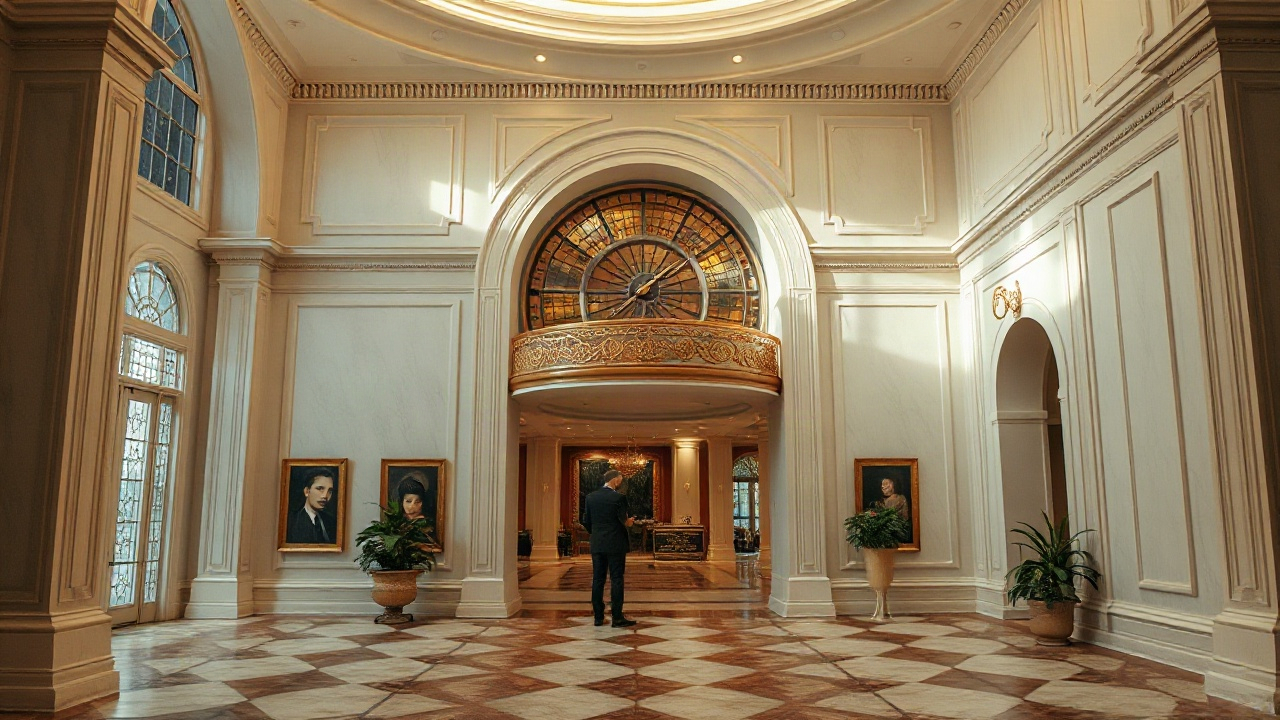
In the modern era, the aesthetics of success have moved from physical buildings to digital interfaces. Online gaming platforms face a unique challenge: how do you evoke the feeling of a marble-clad palace on a five-inch smartphone screen? The answer lies in the ‘digital translation’ of luxury cues, using sound, animation, and UI design to simulate the feeling of wealth.
High-end digital platforms use ‘skeuomorphic’ design elements—digital textures that mimic real-world materials. You’ll see buttons that look like polished gold, backgrounds that resemble deep green felt, and animations that capture the shimmer of a spinning wheel. These visual ‘anchors’ tell the player’s brain that this is not just a game, but a premium experience. The use of high-resolution graphics and smooth, fluid animations is the digital equivalent of a polished marble floor.
Sound design is even more critical in the digital space. The ‘clink’ of a chip or the ‘shuffling’ of cards must be hyper-realistic to trigger the same psychological responses as the physical counterparts. Many digital platforms use ‘ASMR’ (Autonomous Sensory Meridian Response) techniques to make the sounds more satisfying and immersive. This auditory feedback creates a sense of ‘physicality’ that bridges the gap between the virtual and the real.
Elements of Digital Luxury Design
- Haptic Feedback: Subtle vibrations that mimic the feel of physical objects.
- High-End Typography: Using fonts associated with luxury brands and heritage.
- Gold and Jewel Tones: Maintaining the traditional color palette of success.
- Live Dealer Integration: Using real human interaction to provide the ‘deference’ of a physical casino.
- Minimalist UI: A clean, clutter-free interface that suggests ‘sophistication.’
The ‘Live Dealer’ phenomenon is perhaps the most successful attempt to port casino luxury to the digital world. By streaming a real person in a professional, high-end studio, platforms can recreate the social validation of the casino. The studio’s backdrop—often featuring the familiar gold and velvet—provides the necessary context, while the dealer’s professional attire and direct engagement provide the ‘VIP treatment’ that digital interfaces usually lack.
Furthermore, the ‘gamification’ of status is a key part of digital luxury. Loyalty programs that offer ‘Gold,’ ‘Platinum,’ or ‘Diamond’ tiers use the language of precious metals to create a sense of progression and achievement. These digital badges of honor serve the same purpose as the VIP lounge: they provide visible proof of the player’s status within the community, reinforcing their identity as a ‘successful’ participant in the ecosystem.
The Global Language of Success
One of the most fascinating aspects of casino aesthetics is their near-universal appeal. Whether in Singapore, London, or Las Vegas, the core visual cues remain the same. This ‘global style’ of luxury has become a lingua franca for success, understood by people from vastly different cultural and economic backgrounds. It represents a shared dream of prosperity that transcends borders.
This universality is partly due to the influence of Western media, but it also taps into deeper human instincts. The desire for light, space, and high-quality materials is a common thread in human history. By synthesizing these elements into a repeatable ‘luxury kit,’ the casino industry has created a visual shorthand for ‘The Good Life.’ This consistency is comforting to the global traveler; they know that no matter where they are, the ‘temple of wealth’ will look and feel familiar.
However, modern developments are beginning to incorporate local cultural signifiers of wealth into the global template. In Macau, for example, the use of Feng Shui principles and specific lucky colors (like gold and red) is integrated with Western-style luxury. This ‘glocal’ approach ensures that the aesthetic remains relevant to the local elite while still maintaining the international standards of ‘high-end.’ The result is a richer, more complex version of luxury that reflects a multipolar world.
The association of casinos with success is also reinforced by the events they host. From world-class boxing matches to high-fashion shows and international tech conferences, these venues are centers of global culture and commerce. By positioning themselves as the ‘hubs’ of important activity, casinos ensure that their aesthetic is constantly associated with the leaders of various industries. They aren’t just places to gamble; they are the arenas where the modern world’s winners congregate.
In conclusion, the ‘luxury on loan’ provided by casino aesthetics is a complex tapestry of architecture, psychology, history, and design. It works because it speaks to our deepest desires for status, security, and excitement. By creating a space where the average person can inhabit the world of the elite, casinos have turned the visual language of wealth into one of the most powerful and enduring brands in human history. Whether in a physical palace or on a digital screen, the ‘gold and velvet’ remains the ultimate symbol of the dream of making it big.