
The Mechanical Genesis and Early Rewards
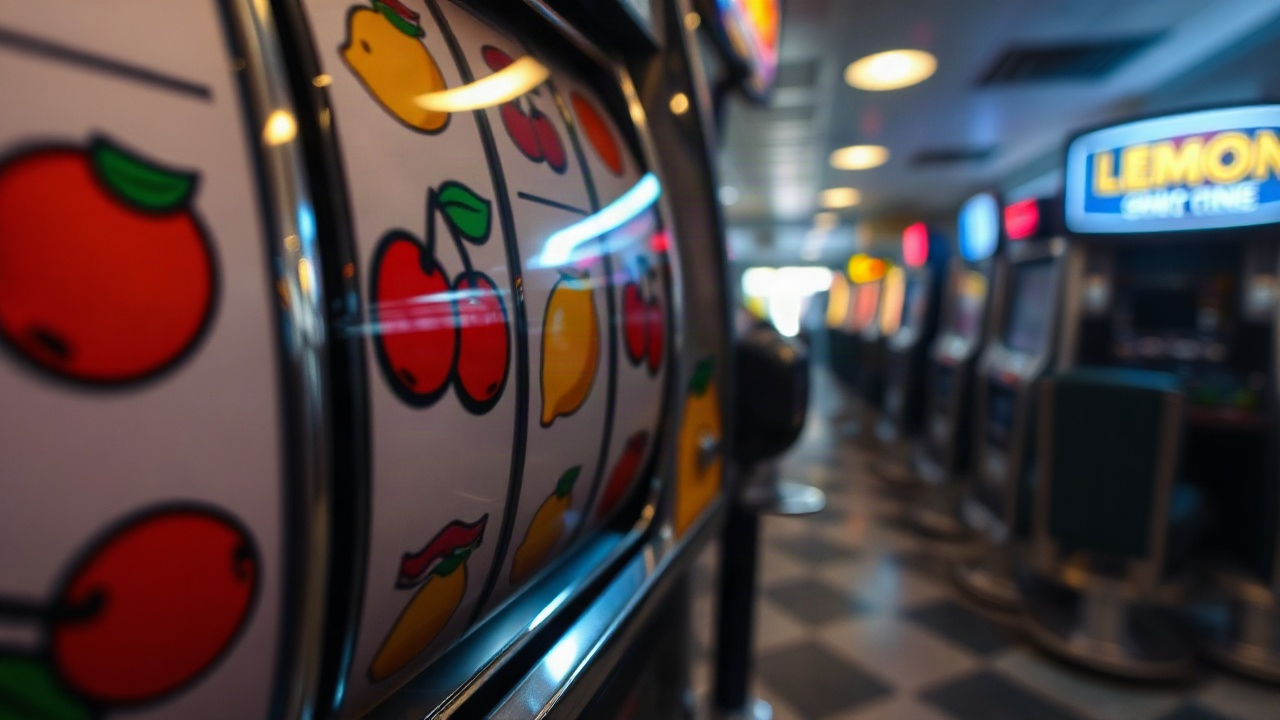
Long before digital screens and random number generators, the gambling world relied on pure mechanics. The first iterations of what we now call slot machines were heavily influenced by the game of poker. These machines featured five drums and fifty card faces. However, the complexity of mechanical payouts for poker hands proved difficult for early inventors to automate fully. A royal flush might pay out a cigar or a free drink, but the machine itself couldn’t reliably dispense coins for every possible combination. This physical limitation set the stage for a simplified three-reel system that would change the industry forever.
The transition from card faces to simplified symbols was driven by a need for mechanical reliability. When Charles Fey introduced the Liberty Bell, he moved away from the fifty-card deck in favor of just five symbols: horseshoes, diamonds, spades, hearts, and the namesake cracked Liberty Bell. This reduction allowed the machine to automatically calculate and dispense coins. However, as these machines grew in popularity, they caught the attention of moral reformers and lawmakers who viewed coin-operated gambling as a social ill. The push for prohibition was not just about alcohol; it was a broad movement against perceived vices.
As jurisdictions began banning cash-paying gambling devices, manufacturers faced a significant crisis. Their expensive mechanical inventions were suddenly illegal to operate. To survive, the industry had to pivot from gambling to entertainment and vending. This transition required a complete overhaul of how the machines were perceived by the public and the law. The goal was to transform a device that took money into a device that sold a harmless product, while still maintaining the thrill of the spin that players loved.
The solution was deceptively simple: change the symbols and change the prizes. By removing the card suits and bells, and replacing them with icons representing flavors, manufacturers could argue their machines were merely automated vending systems. If a player lined up three symbols, they didn’t win a jackpot of coins; they won a piece of gum or a candy corresponding to that flavor. This legal loophole allowed the core mechanics of the slot machine to persist in plain sight, even in the strictest territories.
This era of ‘vending’ machines is where the fruit symbols first took root. A cherry symbol meant the player won cherry-flavored gum. A melon symbol resulted in a melon-flavored treat. These colorful, innocent icons served as a visual shield against prosecution. The shift was so successful that even after the legal pressures subsided, the aesthetic remained deeply embedded in the cultural identity of the casino floor. The fruit was no longer a disguise; it had become the standard.
Understanding this history requires looking at the Trade Stimulator. These were countertop machines found in saloons, cigar stores, and pharmacies. Unlike modern slots, they didn’t always have a coin hopper. Instead, they encouraged trade at the establishment. If you hit a winning combination, the clerk behind the counter would hand you your prize. This decentralized system made it much harder for authorities to prove that ‘gambling’ was occurring, as no money was being directly dispensed by the machine itself.
The Industry Novelty Company and the Gum Connection
In the early twentieth century, the Industry Novelty Company played a pivotal role in the ‘fructification’ of the slot machine. To bypass anti-gambling laws, they began manufacturing machines that dispensed chewing gum. This was a masterclass in rebranding. Each reel was adorned with fruit symbols that corresponded to the flavors of the gum stored inside the machine’s internal reservoir. When a player pulled the lever, they were technically purchasing a piece of gum, with the ‘game’ element being a mere byproduct of the transaction.
The psychology of this change was profound. Fruit symbols were seen as wholesome and harmless, contrasting sharply with the ‘sinful’ connotations of playing cards and dice. This branding allowed the machines to move out of the smoky backrooms of bars and into more public spaces like grocery stores and bowling alleys. The broader accessibility increased the player base significantly, introducing a much wider demographic to the basic mechanics of slot play through the lens of a vending experience.
It is during this period that the BAR symbol emerged, though many players today don’t realize its original meaning. The BAR symbol was actually a stylized representation of the logo for the Bell-Gum Fruit Company. When a player landed on the BAR, they were essentially winning a pack of the company’s gum. Over time, the logo was simplified and abstracted into the rectangular black bar we see today. It transitioned from a corporate logo to a universal symbol for a high-paying combination, losing its connection to the confectionery world in the process.
The marriage between gum manufacturers and slot mechanics was a symbiotic relationship. Gum companies gained a massive distribution network through these machines, while machine owners gained a legal cover for their operations. This era solidified the fruit aesthetic. The bright reds of the cherries, the vibrant yellows of the lemons, and the deep purples of the plums provided a visual feast that was both attractive and seemingly innocuous to the passing eye.
Comparison of Early Slot Symbols
| Symbol Type | Original Meaning | Modern Context |
|---|---|---|
| Card Suits | Poker-based gambling | Rarely seen in classic fruit slots |
| Liberty Bell | The highest payout/jackpot | Still used as a premium symbol |
| Cherry | Cherry flavored gum prize | Standard low-to-mid tier symbol |
| BAR | Bell-Gum Company logo | High-value iconic symbol |
| Watermelon | Melon flavored gum prize | Common mid-tier symbol |
The transition wasn’t just about avoiding the law; it was also about manufacturing. Printing colorful fruit on paper strips for the reels was relatively inexpensive compared to more intricate designs. The simplicity of a cherry or a lemon meant that the symbols were easily recognizable even when the reels were spinning at high speeds. This clarity is essential for the ‘near-miss’ psychology that keeps players engaged, as they can clearly see how close they came to a winning line.
By the time the laws began to relax, the ‘fruit machine’ identity was so strong that there was no reason to change it. Players had grown accustomed to chasing cherries and melons. The visual language of the casino had been written in the produce aisle. This period teaches us that constraints often drive the most lasting innovations in design. The fruit was a solution to a problem, but it ended up becoming the soul of the medium.
The Enduring Appeal of Visual Simplicity

Why do we still see fruit symbols in an age of high-definition 3D graphics and complex cinematic slots? The answer lies in the human brain’s preference for pattern recognition and simplicity. Fruit symbols are cognitively ‘cheap’—they require very little mental processing to identify. In a fast-paced environment like a casino, where dozens of machines are vying for attention, the familiar shapes and bright colors of fruit provide a sense of comfort and immediate understanding.
The color palette of fruit slots is naturally high-contrast. Bright red, vibrant green, and sunny yellow pop against the often dark or neutral backgrounds of the reels. This isn’t just an aesthetic choice; it’s a functional one. High visibility ensures that the player remains stimulated and can track the movement of the reels without eye strain. Modern game designers still use these classic colors to anchor their games, even when they are introducing more complex themes or bonus features.
Furthermore, fruit carries a universal positive connotation. Across cultures, fruit represents health, sweetness, and abundance. Unlike symbols of wealth like gold bars or diamonds, which can feel cold or unattainable, fruit is accessible and friendly. It lowers the barrier to entry for new players who might feel intimidated by the complex iconography of modern video slots. A cherry is a cherry, regardless of what language you speak or where you are in the world.
- Instant Recognition: Players don’t need to learn a new set of rules for every game.
- Positive Associations: Freshness and rewards are baked into the imagery.
- Nostalgia Factor: Evokes the ‘golden age’ of mechanical gaming.
- Visual Clarity: Easy to track on spinning reels compared to complex characters.
The ‘retro’ movement in gaming has also played a significant role in keeping fruit symbols alive. There is a specific segment of the market that craves the ‘old school’ experience. For these players, a slot machine isn’t a slot machine unless it has lemons and sevens. Developers cater to this by creating ‘classic’ slots that use modern technology to simulate the feel of an old mechanical pull-arm machine, complete with the clunking sounds and the specific fruit-heavy aesthetic.
Even in complex video slots with narrative arcs and level-up mechanics, you will often find fruit symbols used as the ‘low-paying’ icons. They serve as a grounding element, a nod to the roots of the industry. This creates a bridge between the past and the future, ensuring that the visual heritage of the slot machine is never truly lost. The fruit symbol has transcended its original purpose to become a fundamental building block of the gaming experience.
The Psychology of Color in Fruit Symbols
Color theory plays a massive role in how slot machines are designed, and the classic fruit palette is a masterclass in psychological manipulation. Red, the color of cherries and strawberries, is known to increase heart rate and create a sense of urgency. It is no coincidence that the cherry is often the most common symbol, providing frequent but small rewards that keep the player’s adrenaline at a steady level. Red demands attention and suggests excitement.
Yellow, represented by lemons and bananas, is associated with optimism and clarity. In the context of a slot machine, it provides a bright, cheerful contrast to the more intense reds. It keeps the visual field from feeling too heavy or aggressive. Green, found in watermelons and limes, is the color of growth and, perhaps more significantly in a gambling context, the color of money in many cultures. It suggests that the machine is ‘ripe’ for a payout.
The use of purple in plums and grapes adds a touch of ‘luxury’ to the mix. Historically, purple dye was the most expensive to produce, making it the color of royalty. In slot design, the plum often occupies a higher spot on the paytable than the cherry or the lemon, subtly signaling its increased value through its regal hue. This color coding allows players to subconsciously rank the symbols without ever looking at a paytable.
Color Associations in Slot Design
| Color | Fruit Example | Psychological Effect | Role in Game |
|---|---|---|---|
| Red | Cherry | Urgency, excitement | Frequent small wins |
| Yellow | Lemon | Optimism, visibility | Standard filler symbol |
| Green | Watermelon | Growth, abundance | Mid-tier reward |
| Purple | Plum | Luxury, sophistication | High-tier reward |
| Orange | Orange | Energy, friendliness | Consistent engagement |
These colors are also designed to work well under the specific lighting conditions of a casino. Traditional casinos are often dimly lit to hide the passage of time, making the glowing, saturated colors of the fruit symbols stand out even more. In the digital realm, these same colors are used to ensure the game remains playable on small mobile screens where detail can be lost, but high-contrast color blocks remain clear.
The persistence of these specific fruits also relates to their shape. Most of the classic fruits are roughly circular or oval. This symmetry is pleasing to the eye and fits perfectly within the square frames of the slot reels. Irregularly shaped symbols can create a ‘messy’ visual field, whereas a row of three round cherries creates a clean, satisfying line that the brain interprets as ‘ordered’ and ‘correct.’ This visual harmony is a key component of the ‘satisfying’ feeling of a win.
Technological Evolution and the Fruit Sprite

As the industry moved from mechanical reels to video screens, the fruit symbol underwent a digital transformation. In the 1980s and 90s, pixel art became the new medium for slot icons. Developers had to recreate the classic fruit using limited resolutions and color palettes. This led to a stylized, ‘sprite-based’ look that many players today still associate with the digital gaming experience. These pixelated cherries and lemons have a charm of their own, representing a specific era of technological transition.
With the advent of high-definition displays, fruit symbols became more realistic. Designers started adding reflections, water droplets, and 3D textures to make the fruit look ‘delicious.’ This hyper-realism was intended to make the symbols more enticing. A plum wasn’t just a purple circle anymore; it was a plump, dewy fruit that looked like you could pluck it off the screen. This tactile quality adds to the sensory experience of the game, making the digital interaction feel more physical.
The transition to mobile gaming introduced new challenges. Symbols needed to be recognizable on screens as small as four inches. The classic fruit symbols excelled here. Their simple shapes and bold colors are perfectly suited for mobile play, where complex characters or intricate text would be unreadable. This is why many of the most popular mobile slot games are still ‘fruit-themed.’ They are the most functional designs for the hardware on which they are played.
Modern game engines allow for dynamic fruit symbols. They can explode, glow, or transform when part of a winning combination. However, the core identity of the fruit remains unchanged. Whether it’s a 2D sprite or a 4K 3D model, the cherry is still a cherry. This technological journey shows that while the medium changes, the message—the fruit as a symbol of reward—is remarkably resilient. It is a design that has survived the transition from cast iron to silicon.
The Random Number Generator (RNG) changed the mechanics, but the fruit remained the face. Even though the outcome of a spin is determined in a fraction of a second by an algorithm, the visual ‘reveal’ still relies on those classic icons. The ‘spin’ is a legacy animation, and the fruit symbols are the legacy actors. They provide the emotional weight to the mathematical outcome, turning a string of numbers into a moment of joy or a near-miss heartbreak.
The Lucky Number Seven and the Fruit Synergy
While not a fruit, the ‘Red Seven’ is almost always found in the company of cherries and lemons. Its inclusion in fruit slots is a fascinating crossover of cultural numerology and gaming tradition. In many Western cultures, seven is considered the luckiest number. By placing the ‘Lucky 7’ at the top of the fruit machine paytable, developers combined the wholesome vending-machine history with an older tradition of luck and chance.
The Seven often acts as the jackpot symbol in fruit-themed games. It stands out because it is a numerical character amidst a sea of organic shapes. This contrast makes it immediately identifiable as the most important symbol on the reels. The synergy between the ‘natural’ fruit and the ‘mystical’ number seven creates a balanced aesthetic that appeals to both the player’s desire for a ‘natural’ win and their belief in luck.
In some variations, the Seven is even themed to match the fruit. You might see a ‘Watermelon Seven’ or a ‘Cherry Seven’ where the number is textured or colored like the fruit symbols. This further integrates the two disparate elements into a cohesive visual theme. The Seven has become so synonymous with fruit slots that it is now considered an honorary member of the fruit family in the context of slot iconography.
- Numerical Contrast: The hard lines of the ‘7’ break up the curves of the fruit.
- Cultural Weight: Leverages the universal concept of ‘Lucky Seven.’
- Paytable Hierarchy: Clearly defines the top-tier win without needing words.
- Visual Anchor: Provides a focal point for the player’s aspirations.
The combination of fruit and sevens also helps in branding. A game titled ‘Sizzling Hot’ or ‘Fruit Party’ that features prominent Sevens tells the player exactly what kind of experience they are going to have. It’s going to be a high-volatility, classic-style game. This ‘shorthand’ is invaluable in a saturated market where players often choose games based on a two-second glance at a thumbnail image.
Regional Variations and Global Reach

While the fruit slot is a global phenomenon, different regions have their own unique takes on the concept. In the United Kingdom, these machines are colloquially known as ‘Fruit Machines’ or ‘fruities.’ They often feature much more complex gameplay than their American counterparts, including ‘nudges’ and ‘holds’ that allow the player to manipulate the reels to a certain extent. The fruit symbols remain, but the mechanics are a distinct branch of the evolution tree.
In Japan, the Pachislo machines also heavily feature fruit icons, but they are often mixed with anime-style characters and intense, flashing lights. The fruit symbols here serve as a familiar anchor in what can be an incredibly chaotic visual environment. Even in a completely different cultural context, the cherry and the lemon provide a recognizable link to the global tradition of slot gaming.
In some parts of Europe, the ‘Bell’ symbol remains more prominent than the fruit, reflecting a closer tie to Charles Fey’s original Liberty Bell design. However, even in these ‘Bell-centric’ games, the fruit symbols are almost always present as the supporting cast. The global reach of these symbols is a testament to the power of the original ‘vending machine’ solution. A legal workaround in the United States effectively standardized the visual language of gambling for the entire world.
The fruit slot has also adapted to the ‘social casino’ market. These are free-to-play games on social media platforms. Here, the fruit symbols are often stylized to be even brighter and more ‘cartoonish’ to appeal to a casual audience. The lack of real-money gambling doesn’t diminish the appeal of the symbols; if anything, it reinforces that the fruit aesthetic is about the ‘fun’ of the match-up, not just the payout.
Interestingly, some cultures have added their own local fruits to the mix. In some Asian-themed slots, you might find lychees or dragon fruit acting as high-paying symbols alongside the traditional cherries. This localization shows that the ‘fruit slot’ is a living genre, capable of evolving and incorporating new elements while still respecting the core tradition that made it famous.
The Future of the Classic Aesthetic
As we look toward the future of gaming, including virtual reality (VR) and augmented reality (AR), the role of fruit symbols is likely to persist. In a VR casino, you can sit at a virtual mechanical slot machine, pull a virtual lever, and watch physical-looking fruit reels spin in front of your eyes. This ‘digital nostalgia’ is a powerful draw, providing a sense of grounding in a completely virtual environment.
The ‘Classic’ genre is not dying; it is being refined. Developers are using advanced physics engines to simulate the way a mechanical reel bounces and settles, and they are using high-end audio recording to capture the specific ‘clack’ of an old machine. The fruit symbols are the centerpiece of this experience. They are the essential visual element that completes the illusion of being in a classic 20th-century casino.
We are also seeing a trend of ‘Fruit Fusion’ games. These games take the classic fruit symbols and drop them into completely different genres, such as ‘Match-3’ puzzle games or ‘Cluster Pays’ mechanics. This keeps the symbols relevant for a younger generation of players who might find traditional three-reel slots boring, but who still respond to the familiar, vibrant imagery of the fruit.
The story of the fruit symbol is a story of adaptation. It began as a way to hide a game, and it ended up defining it. It moved from the physical world of gears and springs to the digital world of bits and bytes without losing its soul. As long as people enjoy the thrill of the spin, there will be a place for the humble cherry, the bright lemon, and the mysterious BAR. They are more than just icons; they are the DNA of the slot machine.
In conclusion, the ‘fruit’ in slot machines is a reminder that the most iconic designs often come from necessity. The next time you see a cherry spin past on a screen, remember that it’s not just a fruit—it’s a hundred-year-old piece of legal engineering, a survivor of prohibition, and a masterpiece of psychological branding. The fruit slot is here to stay, forever ripe and ready for the next spin.