
The Mechanical Genesis of Slot Visuals

Before the digital revolution, slot machines relied on physical components to convey visual information. The earliest machines were entirely mechanical, utilizing heavy iron cast housings and painted metal drums. The graphics weren’t digital; they were physical decals or painted symbols applied directly to the surface of the reels. This period established the iconic imagery we still recognize today, such as the Liberty Bell, horseshoes, and playing card suits. The visual feedback was tactile, involving the mechanical clunk of the reels stopping and the physical ringing of a bell upon a win.
The shift to fruit symbols, which remain a staple in the industry, occurred due to legal restrictions on gambling. By using symbols like cherries, lemons, and plums, manufacturers could claim the machines were dispensing flavored gum. This branding strategy fundamentally influenced the visual language of gambling. The colors were bright and primary, designed to attract attention in crowded bars and cigar shops. There were no animations; the excitement was generated by the physical momentum of the spinning cylinders and the sudden stop that revealed the outcome.
Engineers focused on the durability of the paint and the clarity of the symbols. Because these machines were often placed in dimly lit environments, high contrast was essential. White backgrounds on reels with bold red or black symbols became the industry standard. This era was characterized by a certain industrial aesthetic where the machine’s external cabinet was as much a part of the visual experience as the reels themselves, often featuring ornate carvings and metallic finishes.
Maintenance was a visual consideration too. Symbols would fade over time due to friction and sunlight exposure, leading to the development of better protective coatings. The visual evolution during this stage was slow, as any change required a complete physical overhaul of the machine’s internal components. The graphics were static, but they laid the groundwork for the symbolic vocabulary that would eventually transition into the digital realm.
Interaction with these machines was limited to the pull of a lever, known as the ‘one-armed bandit.’ The visual payoff was the alignment of these physical strips. There was no concept of ‘screen real estate’ yet; the ‘screen’ was simply a glass window showing a portion of the mechanical inner workings. This transparency was part of the appeal, as players could see the physical logic of the game unfolding before their eyes.
Eventually, the introduction of electricity allowed for backlighting. This was a massive leap in slot graphics, as it meant the symbols could glow, making them visible in the darkest corners of a casino. It added a layer of depth and vibrance that was previously impossible, marking the first step toward the sensory-heavy experiences of the modern era.
The Arrival of the Video Slot and Pixel Art
The transition from physical reels to video screens in the mid-seventies changed everything. The first video slots utilized Cathode Ray Tube (CRT) monitors, which were the same technology used in early televisions. This allowed for the first ‘digital’ graphics, though they were extremely limited by modern standards. The graphics were composed of large, blocky pixels, and the color palette was restricted to a handful of options. This was the era of pixel art, where a cherry was represented by a few red squares and a green stem.
Despite the technical limitations, video slots introduced the possibility of basic animation. For the first time, symbols didn’t just stop; they could flash or change color when forming a winning combination. This psychological trigger was a game-changer, as it provided much stronger visual reinforcement for a win. Designers had to become creative with their use of limited pixels to ensure that a ‘7’ looked distinct from a ‘K’ or a ‘J’.
The layout also began to evolve. Without the physical constraints of three metal drums, developers could experiment with different grid sizes. However, most stuck to the familiar 3×3 or 5×3 patterns to avoid confusing players. The ‘graphics’ during this time were essentially low-resolution sprites. The backgrounds were usually solid black to save on processing power and to make the brightly colored sprites pop.
The 8-bit and 16-bit eras of computing directly influenced slot design. As home consoles like the NES and SNES became popular, slot manufacturers adopted similar hardware. This allowed for more detailed sprites and the introduction of parallax scrolling, where the background moves at a different speed than the foreground, creating a pseudo-3D effect of depth. This made the games feel more immersive and less like a static electronic board.
- Introduction of the ‘Bonus Screen’: The first time players were taken to a different visual environment for a sub-game.
- Use of ‘Sprite Scaling’: Making symbols appear to jump out of the screen toward the player.
- Color Cycling: A technique used to simulate movement in water or glowing lights without complex animation.
- Digital Sound Sync: Ensuring the visuals and audio triggers were perfectly aligned for the first time.
The aesthetic of this era is now celebrated as ‘retro.’ The charm of the pixelated fruit and the buzzing electronic sounds created a unique atmosphere that many modern ‘classic’ slots try to replicate. However, at the time, these were the cutting edge of technology, pushing the boundaries of what a microchip could render in a gambling context.
The Multi-Line Revolution and Early 2D Illustration

As processing power increased, the industry moved away from blocky pixels toward smoother, hand-drawn 2D illustrations. This coincided with the rise of multi-line slots, which required much more complex visual feedback. Designers had to find ways to show dozens of different winning paths across the screen without creating a cluttered mess. This led to the invention of colorful ‘paylines’ that would light up to trace the path of a win.
The art style shifted toward a more ‘comic book’ or ‘cartoon’ aesthetic. Detailed illustrations allowed for much more thematic depth. Instead of just generic fruits, we started seeing slots based on ancient Egypt, underwater adventures, and mythology. Each symbol was no longer just an icon; it was a small piece of art. High-quality 2D rendering allowed for gradients, shadows, and more realistic textures, making the gold coins look shiny and the jungle leaves look lush.
The user interface (UI) also underwent a transformation. The buttons at the bottom of the screen became part of the game’s theme. If the slot was about pirates, the ‘spin’ button might look like a wooden ship’s wheel. This thematic consistency helped players get lost in the world of the game, a concept that became central to slot design. Visual storytelling started to emerge, where the graphics hinted at a larger narrative.
The technical leap was facilitated by the move to PC-based hardware architectures within the cabinets. This allowed developers to use standard graphic design tools. The frames per second (FPS) increased, making the reel spins look smooth rather than jerky. This smoothness was crucial for player comfort, as flickering or stuttering graphics could cause eye strain during long sessions.
| Feature | Pixel Era | 2D Illustration Era |
|---|---|---|
| Resolution | Low (240p) | Standard (480p – 720p) |
| Color Depth | 8-bit (256 colors) | 16/24-bit (Millions of colors) |
| Animation | Basic blinking | Smooth frame-by-frame loops |
| Theme Depth | Generic/Minimal | Richly illustrated worlds |
| UI Design | Functional/Text-based | Thematic/Integrated |
During this period, we also saw the introduction of ‘intro movies.’ When a player sat down at a machine, they might be greeted by a 30-second 2D animation explaining the story of the game. While simple by today’s standards, this added a cinematic quality that elevated the slot from a simple gambling device to an entertainment product.
The Shift to High Definition and Vector Graphics
The mid-2000s saw a massive shift toward High Definition (HD). As monitors improved, the old 2D sprites started to look blurry and dated. Developers began using vector-based graphics and high-resolution bitmaps to ensure that games looked crisp on any screen size. This was particularly important as the industry started to move toward online platforms, where players might be using anything from a small laptop to a large desktop monitor.
HD graphics allowed for much finer detail. You could see the individual scales on a dragon or the reflection of light on a gemstone. This level of detail made the games feel more ‘premium.’ The visual style moved away from flat cartoons toward a more ‘painted’ and realistic look. Digital painting techniques allowed artists to create symbols with complex lighting and depth, even though they were still technically two-dimensional.
Another major advancement was the use of Alpha Channel transparency. This allowed for much more sophisticated layering. Fog could roll across the reels, or sparks could fly over the symbols without obscuring them completely. These atmospheric effects added a layer of ‘juice’ to the game—a term used by developers to describe the visual and auditory feedback that makes a game feel responsive and exciting.
With the advent of Flash and later HTML5, slots became platform-independent. This meant the graphics had to be optimized for performance. Developers had to balance visual fidelity with loading times. This led to the development of ‘sprite sheets’ and sophisticated compression algorithms that kept the graphics looking sharp while ensuring the game ran smoothly on an average internet connection.
The user interface became more minimalist during this transition. Designers realized that the focus should be on the reels, so the buttons became semi-transparent or were hidden in expandable menus. This ‘clean’ look is a hallmark of modern slot design, where the artwork is the star of the show. The transition to HD wasn’t just about more pixels; it was about better design philosophy and more sophisticated visual hierarchy.
Entering the Third Dimension: 3D Models and Environments

The true revolution in slot graphics came with the introduction of real-time 3D rendering. Instead of drawing every frame of an animation by hand, developers started using 3D modeling software like Maya or Blender to create characters and environments. These models were then rendered in the game engine, allowing for dynamic camera movements and realistic lighting that changes in real-time.
3D slots introduced characters that ‘live’ on the screen. A 3D explorer might stand to the left of the reels, reacting to the player’s wins by cheering or performing a dance. This created a much stronger emotional connection between the player and the game. The reels themselves often became part of a 3D environment—for example, symbols might be carved stones falling into a temple doorway rather than spinning on a flat plane.
The use of Dynamic Lighting and Particle Systems became standard. When a ‘Big Win’ occurs, the screen might explode with 3D gold coins that bounce off the reels and ‘fall’ toward the player. This depth perception adds a level of immersion that 2D graphics simply cannot match. It mimics the visual language of modern video games and animated films, blurring the line between gambling and traditional gaming.
Key Components of 3D Slot Visuals:
- Mesh Modeling: Creating the physical structure of characters and objects.
- Texture Mapping: Applying realistic skins, such as leather, metal, or skin, to 3D models.
- Rigging and Animation: Creating a digital ‘skeleton’ for characters so they can move naturally.
- Shader Effects: Small programs that calculate how light interacts with surfaces (e.g., reflections on water).
This era also saw the rise of ‘cascading reels’ or ‘avalanche mechanics.’ Because the engine is 3D, it’s easy to simulate physics. Symbols can break, explode, or be sucked into a vortex. This adds a kinetic energy to the gameplay that is visually stimulating and keeps the player engaged. The complexity of these visuals requires significant GPU (Graphics Processing Unit) power, which is why modern slot machines are essentially high-performance computers.
Cinematic Integration and Narrative Visuals
Today, the most advanced slots are almost indistinguishable from high-end animated movies. We have entered the age of ‘Cinematic Slots.’ These games feature pre-rendered 3D cutscenes that tell a story as the player progresses through different levels or triggers specific bonus features. The transition between the gameplay and these cinematic sequences is seamless, creating a unified narrative experience.
The focus has shifted to ‘World Building.’ A slot is no longer just a set of reels; it is a gateway to a specific universe. Every visual element, from the font of the numbers to the background landscape, is designed to support the theme. For instance, a sci-fi slot might feature a HUD (Heads-Up Display) similar to a spaceship’s cockpit, with flickering monitors and holographic interfaces.
Motion capture technology has even been used to animate characters, providing them with human-like movements and expressions. This level of realism was unthinkable even a decade ago. The ‘acting’ of the characters adds a layer of personality and humor to the game, making it more than just a math-based exercise. The visual feedback is no longer just about ‘winning’ or ‘losing’—it’s about the journey within the game world.
Furthermore, developers are now using Advanced Post-Processing effects. This includes things like motion blur, depth of field (where the background is slightly out of focus to draw attention to the reels), and bloom (where bright lights appear to glow). These are the same techniques used in Hollywood films to create a specific mood and professional look. The result is a visual experience that is polished, professional, and highly engaging.
The use of ‘licensed IP’ (Intellectual Property) has also driven this cinematic trend. Slots based on popular movies or TV shows use actual assets from the productions. Seeing the real actors or iconic scenes rendered in the slot environment creates an instant connection for fans. The graphics must meet the high standards of the original franchise, pushing developers to the absolute limit of visual technology.
The Impact of Mobile Gaming on Visual Design
The move to mobile screens brought a new set of challenges and innovations to slot graphics. Since mobile devices have smaller screens and varying aspect ratios, developers had to invent Responsive Design for slots. This means the layout of the graphics changes depending on whether the phone is held in portrait or landscape mode. The symbols need to be large and clear enough to be seen on a 5-inch screen, but detailed enough to look good on a 12-inch tablet.
One major innovation from the mobile era is ‘Mobile First’ UI. This involves removing all unnecessary clutter to maximize the space for the reels. The ‘Spin’ button is often placed where the player’s thumb naturally rests. Visually, this has led to a cleaner, more vibrant aesthetic. Because mobile screens (especially OLED) have incredible contrast and color saturation, developers use palettes that take advantage of this, with deep blacks and neon-bright accents.
Battery life and data usage are also visual considerations. ‘Lite’ versions of games often exist where some of the more taxing 3D animations are replaced with optimized 2D versions. This ensures that the game remains playable on older devices or slower connections without sacrificing the core visual identity. The ‘graphics’ are now as much about optimization and performance as they are about beauty.
The ‘Vertical Slot’ has become a sub-genre of its own. These games are designed specifically for the portrait orientation of a smartphone. The visuals are stacked vertically, often with a large character or prize ladder sitting above the reels. This has forced artists to rethink the traditional 5×3 horizontal layout and find new ways to utilize vertical space effectively.
The Future: VR, AR, and Beyond
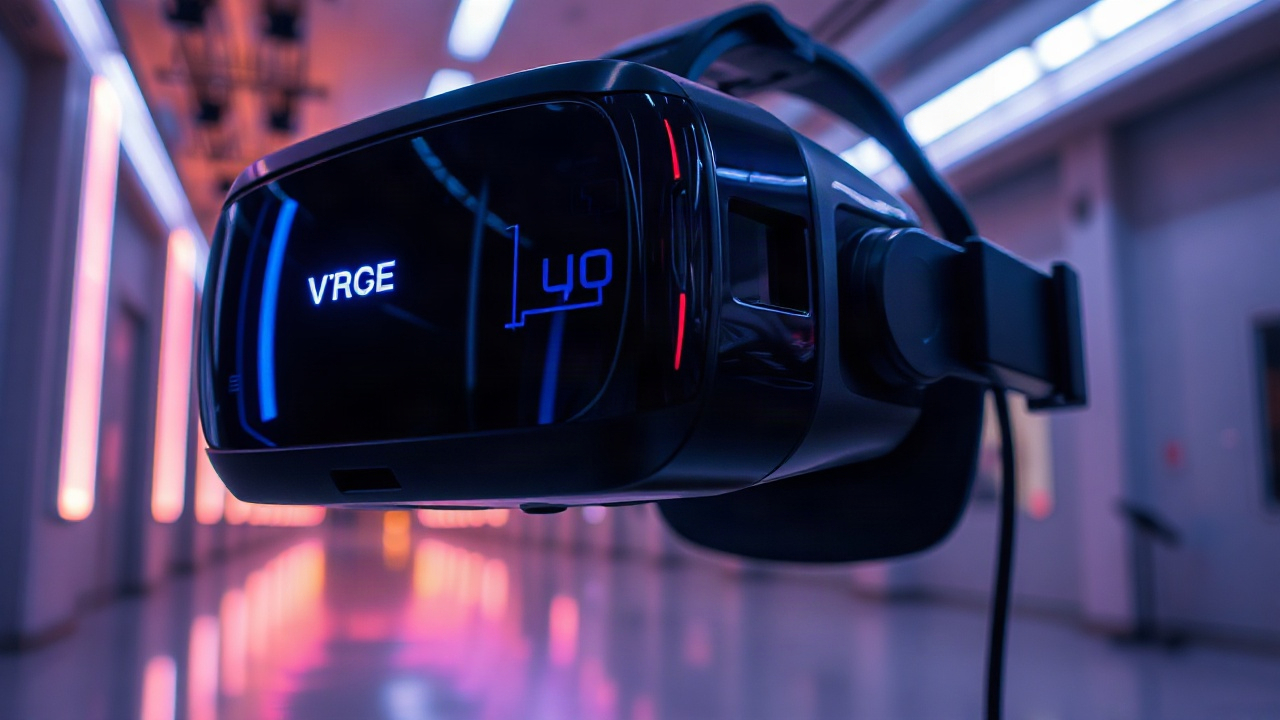
Looking forward, the evolution of slot graphics is heading toward total immersion through Virtual Reality (VR) and Augmented Reality (AR). In a VR slot, the ‘graphics’ aren’t just on a screen in front of you; they are all around you. You can walk around the slot machine, look at its sides, and see the casino environment. The reels might be giant holographic displays floating in space.
Augmented Reality brings the slot machine into the player’s real-world environment. Imagine sitting at your kitchen table and seeing a 3D slot machine appear on the surface through your AR glasses or smartphone. The ‘graphics’ must interact with real-world lighting and surfaces, requiring incredibly sophisticated Spatial Computing. This creates a blend of digital and physical reality that is the next frontier of visual design.
We are also seeing the beginning of ‘Generative Graphics.’ Using AI and procedural generation, games could potentially change their visual appearance based on the player’s preferences or the time of day. No two players would have the exact same visual experience. The environment could evolve as you play, with the weather changing or the architecture of the ‘world’ growing more complex over time.
The resolution will continue to climb, moving toward 8K and beyond, where the human eye can no longer distinguish between a digital image and reality. Refresh rates will also increase, making movement look perfectly fluid. The ‘evolution’ of slot graphics is a journey from simple physical indicators to complex, emotionally resonant, and technologically marvelous digital worlds. What started as a painted cherry has become a cinematic masterpiece.
Pros and Cons of Modern High-End Slot Graphics
- Pro: Higher immersion and entertainment value for the player.
- Pro: Better storytelling and thematic depth.
- Con: High hardware requirements can exclude players with older devices.
- Con: Larger file sizes lead to longer initial loading times.
- Pro: More opportunities for innovative gameplay mechanics tied to visuals.