
The Catalyst of National Prohibition and Social Change
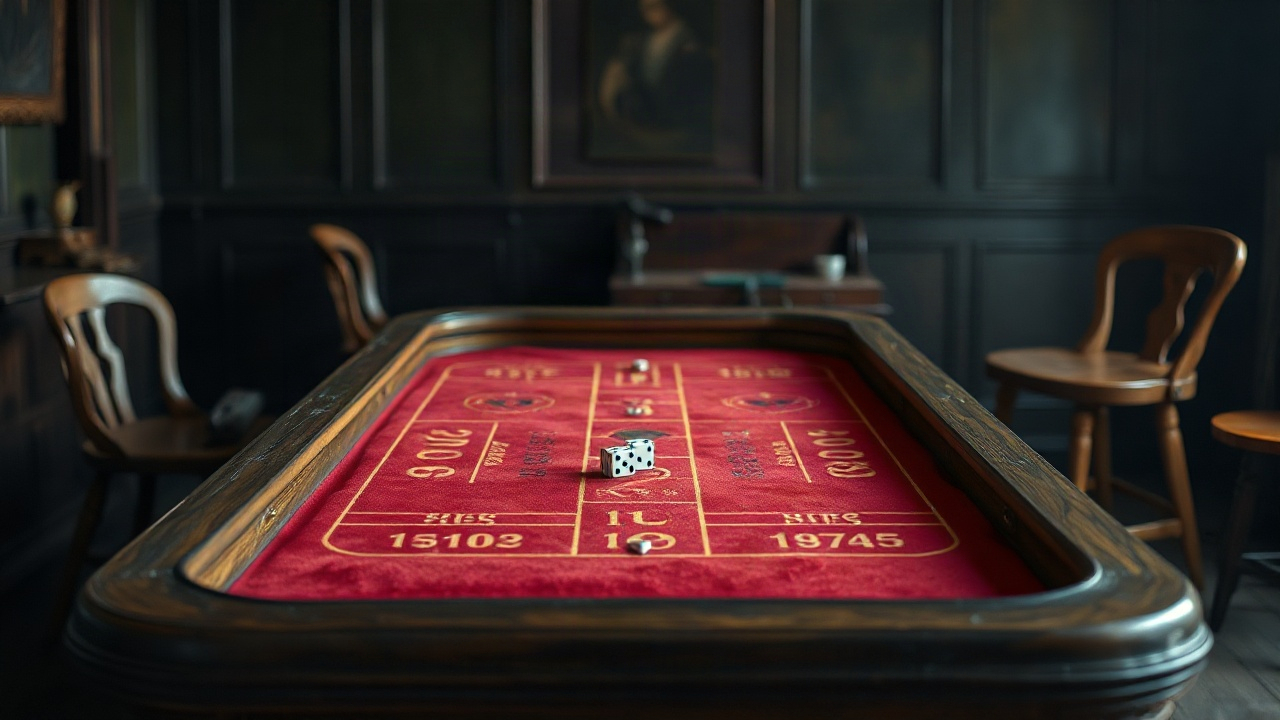
When the ban on alcohol production and sale was enacted, it unintentionally created the largest black market in history. This era shifted the focus of criminal organizations from petty street crimes to massive industrial-scale operations. The infrastructure required to move thousands of gallons of spirits across borders and hidden routes became the foundation for a more sophisticated type of entertainment enterprise. Prohibition didn’t just stop people from drinking; it drove the activity into hidden rooms where other vices, particularly high-stakes gambling, could flourish without the prying eyes of the law.
As traditional saloons closed their doors, the vacuum was filled by the speakeasy. These were not just bars; they were social hubs that redefined urban nightlife. Within these secret establishments, the distinction between different types of illegal activity began to blur. A patron coming in for a clandestine glass of whiskey would often find a card game or a roulette wheel in the back room. This synergy allowed criminal syndicates to maximize their profit per customer, turning a simple drink into an all-night gambling session.
The logistics of the era required immense coordination, leading to the birth of the modern syndicate. Leaders realized that competition through violence was less profitable than cooperation through organization. This period saw the rise of the Commission, a governing body for organized crime that viewed gambling as a steady, reliable stream of revenue compared to the volatile nature of bootlegging. The lessons learned in supply chain management and bribery during these years were directly applied to the expansion of underground gaming houses across major cities.
Society’s relationship with risk changed during this time. With the law viewed as an obstacle rather than a moral guidepost, the stigma surrounding gambling began to fade. Attending a hidden casino became a mark of status and rebellion for the social elite. The glamour associated with these illegal venues laid the groundwork for the future acceptance of large-scale, legitimate casino resorts. The transition from the basement to the bright lights was already in motion as the financial power of the underworld grew exponentially.
By the time the ban on alcohol was lifted, the criminal structures were too wealthy and entrenched to simply vanish. They possessed a surplus of capital and a deep understanding of what the public wanted: excitement, exclusivity, and the chance to win big. The transition from bootlegging to gambling wasn’t a pivot; it was a natural evolution. The underground casinos of the big cities served as the prototype for the massive gaming destinations that would eventually rise in the desert, fueled by the expertise and funds gathered during the dry years.
The Economic Shift from Alcohol to Wagering
Financially, the end of Prohibition presented a challenge for the syndicates. The easy money from alcohol was drying up as the trade became legal and taxed. To maintain their lifestyle and power, the organizations looked toward illegal wagering as the next big frontier. Unlike alcohol, which had a physical cost of production and transport, the house edge in gambling provided a mathematical certainty of profit that was far more efficient and less risky in terms of inventory loss.
Speakeasies as the Birthplace of the Modern Casino Experience
The speakeasy was the laboratory where the modern casino atmosphere was perfected. Before this era, gambling was often a rugged affair found in back alleys or frontier towns. The mafia-run speakeasies introduced a level of luxury and sophistication previously unseen. They understood that providing a high-end environment—complete with jazz bands, fine decor, and impeccable service—could justify higher stakes and attract a wealthier clientele who felt safe and pampered despite the illegality of the situation.
Security was a paramount concern, leading to the development of sophisticated entry systems and lookout networks. The iconic sliding slot in the door was just the beginning. Many venues featured hidden escapes, double-walled rooms, and quick-release mechanisms to hide gambling equipment during a raid. This focus on security and privacy created an air of exclusivity that became a core part of the casino brand. Patrons weren’t just gamblers; they were members of a secret society, a feeling that modern high-limit rooms still try to emulate.
The management style of these venues was strictly hierarchical and remarkably efficient. Each speakeasy operated like a modern franchise, with local managers reporting to regional bosses. This structure ensured consistency in the quality of the ‘product’—whether it was the quality of the liquor or the fairness of the games. By maintaining a reputation for honest games (at least compared to street swindlers), the syndicates built a loyal customer base that would follow them into more permanent locations.
Integration was another key feature. The mafia realized that a customer who was well-fed and entertained was more likely to stay and gamble. They began pairing their gaming tables with world-class entertainment, booking the best musicians and comedians of the era. This ‘total entertainment’ concept remains the cornerstone of the hospitality industry in gaming hubs today. The idea that a casino should be a one-stop destination for a night out was born in the smoke-filled rooms of the metropolitan underground.
The role of the ‘host’ or the ‘pit boss’ also evolved during this period. These individuals were trained to spot high rollers and ensure they were treated with the utmost respect. Building personal relationships with wealthy patrons became a standard business practice. The transition from a simple illegal card game to a hospitality-driven enterprise was the most significant contribution of the speakeasy era to the future of the industry.
- Use of high-quality interior materials like mahogany and velvet.
- Introduction of live entertainment as a secondary draw.
- Strict dress codes to maintain an aura of prestige.
- Advanced security protocols to protect the house and the guests.
- Standardized rules for games like craps and blackjack.
The Strategic Move to Neutral Territories

As law enforcement in major cities like New York and Chicago became more organized, the syndicates looked for ‘open cities’ or neutral territories where they could operate with less interference. This led to the development of gambling hubs in places like Newport, Kentucky, and Hot Springs, Arkansas. These towns became the first true gambling destinations, where local officials were often paid to look the other way, creating a sanctuary for both the operators and the players.
In these neutral zones, the mafia could experiment with larger-scale operations. They built grand hotels that functioned as all-inclusive resorts, foreshadowing the future of Las Vegas. These locations served as a testing ground for the logistics of running a massive gaming floor away from the primary headquarters. It required a new level of trust and coordination between different crime families, leading to further integration of the national syndicate.
The infrastructure in these towns was often superior to larger cities because the ‘business’ funded the local public works. This ‘company town’ model ensured that the local population supported the presence of the underground casinos. By providing jobs and revenue, the syndicates made themselves indispensable to the local economy. This strategy of community integration became a blueprint for how the gaming industry would later seek legal approval in various states by promising economic revitalization.
| Location | Primary Attraction | Mafia Influence Level | Historical Significance |
|---|---|---|---|
| Newport, KY | Illegal Casinos & Brothels | High (Cleveland Syndicate) | The ‘Original Sin City’ |
| Hot Springs, AR | Luxury Spas & Betting | Medium (Multiple Families) | Neutral ground for bosses |
| Galveston, TX | The Maceo Empire | Very High (Independent/Mafia) | Controlled Gulf Coast gaming |
| Saratoga, NY | Horse Racing & Private Clubs | High (NY Families) | Summer retreat for high rollers |
The success of these regional hubs proved that people were willing to travel long distances for the opportunity to gamble in a safe, high-end environment. This realization shifted the business model from local street-level operations to a tourism-based industry. The mobility of the American public, fueled by the rise of the automobile, allowed these distant hubs to thrive and set the stage for a desert oasis that would soon dominate the landscape.
The Birth of the Desert Dream: Why Nevada?
The move to Nevada was a calculated decision driven by the need for legitimacy and a more stable operating environment. While other states were tightening their grip on illegal activities, Nevada took a different path by legalizing gambling. For the syndicates, this was an opportunity to bring their vast wealth out of the shadows and into a legal framework, even if their methods remained largely the same behind the scenes.
The initial investment in Nevada was not about the desert itself, but about the freedom it offered. The pioneers of this movement saw a blank canvas where they could build the ultimate gambling machines from the ground up. They brought with them the expertise in game management, security, and entertainment that they had perfected in the underground speakeasies of the East Coast and Midwest. The harsh environment of the desert was a small price to pay for the ability to operate without the constant fear of raids.
The construction of the first major resorts marked a turning point. These weren’t just gambling halls; they were architectural statements of power and ambition. They utilized the skim—the process of taking untaxed cash off the top—to fund further expansion and maintain their influence. This hidden economy allowed the desert outposts to grow at a rate that would have been impossible for any legitimate business relying solely on bank loans and traditional financing.
The syndicates also brought a level of professionalization to the Nevada gaming scene that local operators couldn’t match. They understood the psychology of the gambler better than anyone, implementing layouts that encouraged players to stay longer and spend more. From the lack of clocks and windows to the specific placement of the loudest slot machines, every detail was engineered to maximize revenue—a practice that remains standard in the industry.
The Skim: The Financial Engine of the Underworld
The ‘skim’ was the lifeblood of the mafia’s involvement in the gambling business. It was a sophisticated system of diverting a portion of the casino’s daily cash intake before it was officially recorded for tax purposes. This mountain of untraceable cash was then funneled back to the families in the East, providing them with the capital to fund other operations, bribe officials, and maintain their dominance over the criminal landscape.
Executing a successful skim required a high degree of trust and a network of ‘men on the inside.’ From the count room to the management offices, the syndicate had loyalists who ensured that the math always favored the bosses. This practice was so lucrative that it became the primary reason for the mafia’s intense interest in the casino business. It was, quite literally, a license to print money that the government couldn’t see.
The methods used for the skim were varied and often ingenious. Some involved hidden compartments in the counting tables, while others relied on simple manual manipulation of the ledgers. The sheer volume of cash moving through a casino made it relatively easy to hide large amounts of money. It was this financial firepower that allowed the mafia to remain the silent partners in the industry for decades, even as public pressure and regulatory scrutiny began to mount.
How the Skim Worked
- Daily cash from the tables and slots was brought to the ‘soft count’ room.
- Before the official count, a predetermined percentage was removed.
- This ‘black’ cash was packed into suitcases and transported by couriers (mules).
- The couriers delivered the cash to the bosses in cities like Chicago or New York.
- The remaining ‘white’ money was recorded, taxed, and used for legitimate expenses.
The Evolution of Casino Security and ‘The Eye in the Sky’
One of the most lasting contributions of the mafia era to the gaming industry is the development of advanced surveillance. Because they were constantly worried about both the government and their own employees stealing from them, the syndicates developed some of the most sophisticated security systems of their time. The concept of the ‘Eye in the Sky’—the observation galleries above the casino floor—was a direct result of the need to watch everyone at all times.
The security personnel of that era were often individuals with deep knowledge of the games and the ‘cons’ used by cheats. They weren’t just guards; they were experts in human behavior and game mechanics. This tradition of hiring the ‘best of the best’ to protect the house’s interests has evolved into the modern security and surveillance departments that use high-definition cameras and facial recognition software today.
Loyalty was enforced through a combination of high pay and the threat of severe consequences. This created a culture of professionalism and silence that was unique to the casino environment. The integrity of the game was paramount, not out of a sense of ethics, but because any hint of unfairness would drive away the customers and attract unwanted attention from the authorities. The house edge was already sufficient; there was no need to cheat the players when the math did the work for them.
The transition from physical observation to electronic monitoring was a slow process that began during the later years of syndicate control. The early use of hidden cameras and microphones was pioneered in these environments to ensure that the skim was going according to plan. Today’s casinos are some of the most monitored spaces on earth, a direct technological lineage from the catwalks and two-way mirrors of the mid-century resorts.
The Integrated Resort Model: Entertainment Beyond the Tables

The mafia understood earlier than most that a casino could not survive on gambling alone. To attract a broad audience and keep them on the property, they needed to offer a complete lifestyle. This led to the development of the integrated resort model, where world-class dining, star-studded entertainment, and luxury accommodations were as important as the gaming floor itself. This diversification made the properties more resilient and expanded the customer base to include the spouses and families of the gamblers.
They leveraged their connections in the music and film industries to bring the biggest stars of the day to their stages. This created a symbiotic relationship where the glamour of the stars rubbed off on the casinos, and the high salaries offered by the casinos attracted the best talent. The legendary ‘lounge acts’ and showroom spectaculars were born during this era, setting a standard for live entertainment that remains a hallmark of the industry.
Dining also became an experience. The move from simple snack bars to fine-dining establishments allowed the casinos to capture more of the patrons’ spending. By offering high-quality food at subsidized prices (the loss leader strategy), they ensured that guests had no reason to leave the building. Every aspect of the resort was designed to keep the guest within the ecosystem of the house.
| Service Category | Mafia-Era Innovation | Modern Equivalent |
|---|---|---|
| Entertainment | Exclusive contracts with top-tier stars | Residency shows for global icons |
| Dining | The ‘Gourmet Room’ and free buffets | Michelin-starred celebrity chef restaurants |
| Lodging | Luxury suites for high rollers | Ultra-luxury villas and butler service |
| Retail | High-end jewelry and clothing boutiques | Massive luxury shopping malls |
This holistic approach to hospitality transformed the casino from a place of vice into a premier vacation destination. The branding of the ‘casino lifestyle’—one of excitement, luxury, and the possibility of a life-changing win—was a marketing masterpiece that continues to drive the industry forward. The DNA of the modern resort, from the layout of the lobby to the lighting in the theater, was coded during the height of the syndicate era.
The Transition to Corporate Ownership and Regulation
The era of syndicate control eventually came to an end, not through a single event, but through a gradual process of increased regulation and the entry of legitimate corporate capital. As the potential for massive profits became clear, major hotel chains and investment groups began to see the gaming industry as a viable and lucrative market. The ‘cleansing’ of the industry was necessary for it to access the traditional banking systems and the stock market.
The introduction of strict licensing requirements and financial audits made it increasingly difficult for the mafia to maintain their hidden interests. The ‘skimming’ operations that had funded the syndicates for decades became more dangerous as the technology for tracking cash improved. Slowly but surely, the colorful characters of the underground were replaced by MBAs and corporate boards, who brought a different kind of efficiency to the business.
Despite the change in ownership, the operational blueprints created by the mafia remained. The corporations realized that the syndicates had been right about almost everything: the importance of the house edge, the value of high-end entertainment, and the need for total customer immersion. They didn’t reinvent the casino; they simply legalized and scaled what the underground had already built. The modern gaming industry is a corporate monument built on a foundation of grit, innovation, and the lessons of the Prohibition era.
Today, the legacy of the underground casinos is seen in the professionalism and scale of the global gaming market. The transition from the back rooms of speakeasies to the multi-billion dollar resorts of the modern era is a testament to the enduring appeal of the experience. While the operators have changed, the fundamental thrill of the game—and the sophisticated environment in which it is played—remains a direct link to the days of the hidden door and the whispered password.
Key Takeaways for History Enthusiasts
- Prohibition provided the capital and organizational structure for modern gaming.
- Speakeasies pioneered the ‘total entertainment’ hospitality model.
- Neutral ‘open cities’ served as the first true gaming destination hubs.
- The ‘skim’ was the primary financial motivator for organized crime in casinos.
- The transition to corporate control preserved the mafia’s operational innovations.