
The Portuguese Legacy and the Birth of a Trade Hub
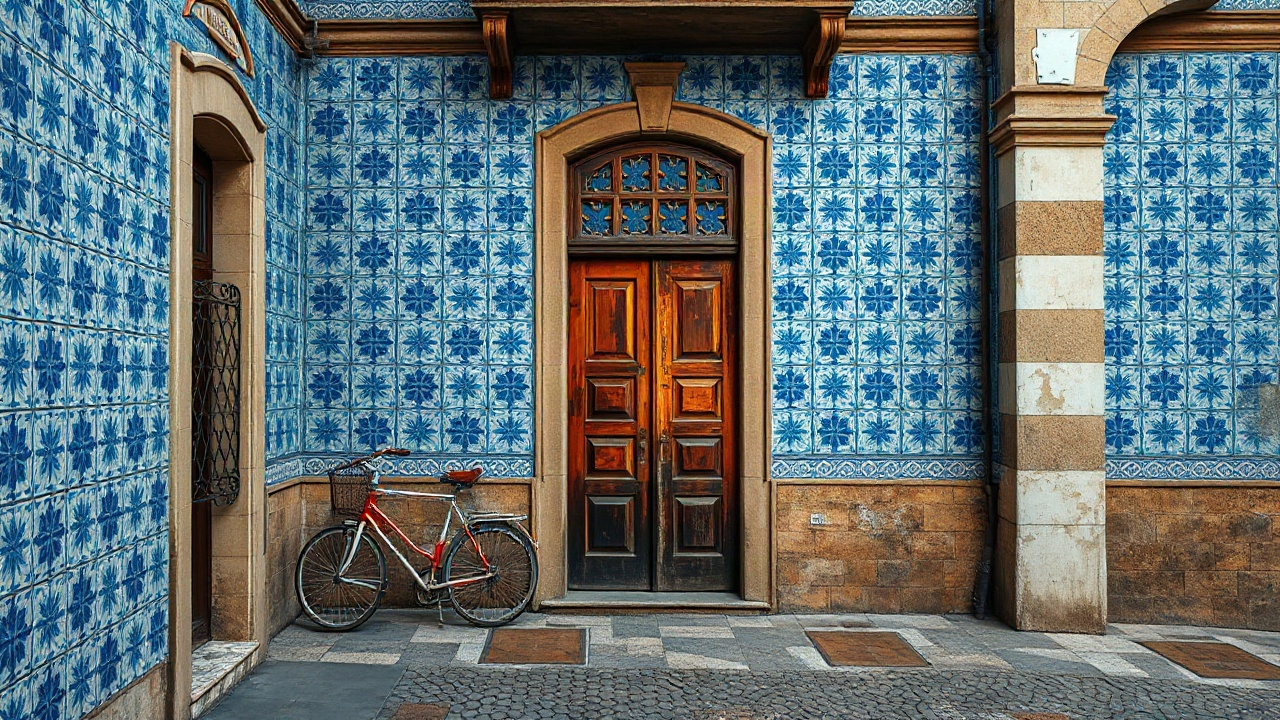
Long before the neon lights of the Cotai Strip began to glow, Macau was a quiet collection of fishing villages and a sanctuary for sailors. The arrival of Portuguese explorers transformed this rocky peninsula into a vital bridge between the East and the West. Unlike other colonial outposts that were seized through outright warfare, Macau’s status was largely defined by a series of agreements and lease arrangements, creating a unique legal gray area that would later facilitate its unconventional economic path. The fusion of Mediterranean architecture and Southern Chinese culture began here, laying the groundwork for a destination that felt both familiar and exotic to travelers from every corner of the globe.
During the early centuries of Portuguese administration, the economy relied heavily on maritime trade. Silks, spices, and ceramics passed through the harbor, making it one of the most prosperous ports in Asia. However, as Hong Kong developed under British rule and offered deeper waters for modern shipping, Macau had to reinvent itself. This necessity for survival is what first pushed the local administration toward the legalization of certain activities that were restricted elsewhere. The colonial government realized that their small territory lacked the natural resources for heavy industry, leading them to pivot toward services and leisure.
The cultural blend in Macau is not just a historical footnote; it is the very essence of the city’s charm. Walking through the Senado Square, one sees the characteristic wavy mosaic of the calcada portuguesa paving stones, framed by buildings painted in soft pastels. This aesthetic contrast with the traditional Chinese temples tucked away in narrow alleys creates a mystical atmosphere. This duality provided a perfect backdrop for a city that would eventually host the world’s most extravagant gaming halls. The Portuguese influence ensured a level of openness and internationalism that was rare in the region at the time.
By the middle of the nineteenth century, the legalization of gambling houses became a formal policy. The goal was simple: to generate tax revenue for a colonial administration that was losing its trade dominance. These early gaming dens were modest compared to today’s giants, often specializing in traditional Chinese games like Fan-Tan. They were smoky, crowded, and lacked the glitz of modern resorts, yet they established the city’s reputation as a place where the laws of the mainland were relaxed. This early head start in the industry gave Macau a century-long advantage over any regional competitors.
The administrative structure of Macau also played a role in its unique trajectory. As a territory under Portuguese administration, it maintained a distinct legal system that remained largely intact even as global geopolitical shifts occurred. This legal continuity allowed for a stable environment for the gambling industry to mature. Investors felt a level of security in Macau that was often missing in other parts of the developing world, encouraging the long-term capital commitments required to build massive infrastructure.
Finally, the transition of sovereignty did not erase this identity but rather codified it. The special administrative status granted to the territory ensured that the gambling monopoly, and later the liberalized market, could flourish under a ‘one country, two systems’ framework. This transition allowed Macau to tap into the massive and growing wealth of the surrounding region while maintaining its unique Lusitanian character. The result is a city that operates like a well-oiled machine of luxury and luck, where the past and future are inseparable.
The Architecture of Fortune: Mapping the Cotai Strip
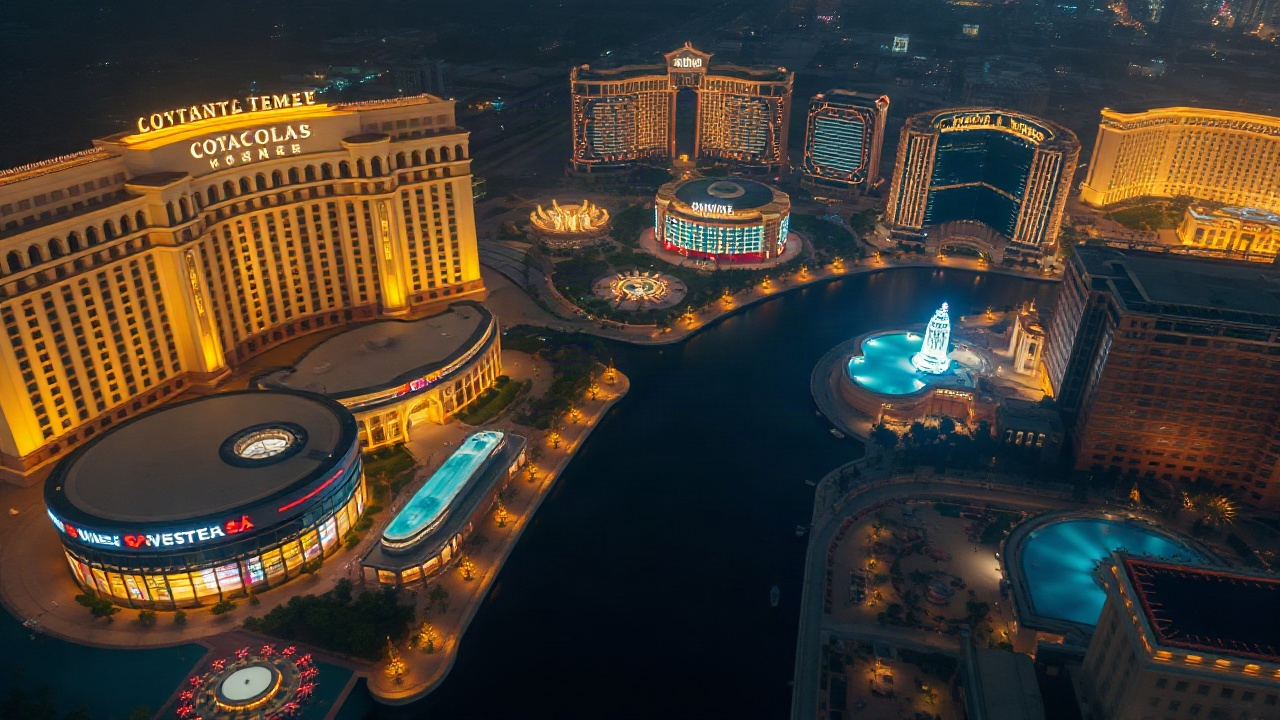
The Cotai Strip is perhaps the most ambitious land reclamation project in the history of global tourism. Originally, the islands of Coloane and Taipa were separated by a shallow channel of water. Recognizing that the narrow streets of the old Macau peninsula could not sustain the scale of development needed to rival Las Vegas, engineers literally filled in the sea. This newly created land became the canvas for the world’s most expensive real estate projects, where architects were given carte blanche to create monuments to extravagance.
The sheer scale of the buildings on the Cotai Strip is difficult to grasp until one stands at their base. These are not merely hotels; they are self-contained cities. The development was designed to provide everything a guest could possibly desire within a single complex: thousands of suites, high-end shopping malls, theaters, and, of course, vast gaming floors. This ‘integrated resort’ model was imported from Nevada but perfected in Macau, with a focus on luxury that often exceeds its Western counterparts. Each building competes for attention with bolder designs, brighter lights, and more intricate themes.
Key Features of Macau’s Mega-Resorts
- Land Reclamation: Creating kilometers of new territory to accommodate massive resort footprints.
- Thematic Immersion: Recreations of European landmarks, such as the canals of Venice or the Eiffel Tower, built to a scale that rivals the originals.
- Luxury Connectivity: Climate-controlled walkways and bridges that allow visitors to traverse the entire strip without ever stepping into the humid tropical air.
- Multi-Purpose Arenas: Facilities capable of hosting world-class boxing matches, concerts, and international awards ceremonies.
One of the defining characteristics of these structures is their adherence to the principles of Feng Shui. In Macau, architecture is not just about aesthetics or structural integrity; it is about the flow of energy and the attraction of wealth. Many of the most famous buildings feature specific shapes, colors, and water features designed to trap ‘chi’ and ensure the prosperity of the house. For example, some facades are shaped like lotus flowers or fans, symbols of purity and good fortune in Chinese culture. This blend of cutting-edge Western engineering and ancient Eastern philosophy is what gives the Cotai Strip its specific, almost mystical energy.
The interior design of these resorts is equally calculated. The use of gold leaf, massive crystal chandeliers, and rare marble creates an environment of opulence that signals to the visitor that they have entered a world of high stakes. The lighting is carefully managed to eliminate the sense of time, while the air is often subtly scented to create a signature olfactory experience for each property. Every detail, from the pattern on the carpet to the height of the ceilings, is engineered to keep the guest engaged and comfortable for as long as possible.
In comparing the two global capitals of gaming, the following table highlights the structural differences that allowed Macau to pull ahead in terms of pure economic impact:
| Metric | Las Vegas Strip | Macau Cotai Strip |
|---|---|---|
| Primary Revenue Source | Entertainment & Dining | Gaming & VIP Services |
| Average Player Budget | Moderate | Extremely High |
| Room Capacity | High Volume / Diverse Price | Ultra-Luxury / Premium |
| Geographic Reach | Domestic / Americas | Greater China / Pan-Asia |
As the Cotai Strip continues to evolve, the focus is shifting toward even more diverse forms of entertainment. New developments include indoor water parks, immersive digital art galleries, and botanical gardens. The goal is to transform the area from a gambling hub into a holistic ‘World Center of Tourism and Leisure.’ This expansion ensures that even those who have no interest in the gaming tables find a reason to marvel at the architectural wonders of this man-made desert-turned-metropolis.
The Cultural Alchemy: Where East Meets West
The soul of Macau lies in its ability to be two things at once. It is a place where you can eat a traditional Portuguese egg tart (pastel de nata) in the shadow of a temple dedicated to A-Ma, the goddess of seafarers. This cultural alchemy is not forced; it is the result of centuries of peaceful coexistence. The local population, known as Macanese, often has roots in both cultures, speaking a dialect that blends Portuguese and Cantonese elements. This heritage is preserved in the city’s status as a UNESCO World Heritage site, protecting the historic center from the encroaching skyscrapers.
In the narrow streets of the old city, the atmosphere is a world away from the baccarat tables. Here, the smell of incense from burning coils mingles with the aroma of freshly baked almond cookies. The houses are decorated with traditional Chinese lintels and Portuguese wrought-iron balconies. This historic core acts as the emotional anchor for the city, providing a sense of place and history that a purely modern gaming destination like Las Vegas often lacks. It is this depth of character that attracts a more diverse range of travelers who seek culture alongside excitement.
The culinary scene in Macau is a direct reflection of this hybrid identity. Macanese cuisine is often cited as the world’s first ‘fusion’ food. It combines ingredients and techniques from Portugal, Africa, India, and China. Signature dishes like African Chicken (piri-piri style) or Minchi (a savory ground meat dish) tell the story of the Portuguese maritime routes. This gastronomic wealth has earned Macau the title of a Creative City of Gastronomy, making it a pilgrimage site for food lovers. The presence of world-class Michelin-starred restaurants inside the luxury resorts further elevates the city’s status as a premier lifestyle destination.
Religious life in Macau is equally eclectic. On any given day, a visitor might witness a colorful procession for a Catholic saint winding through streets decorated with red lanterns for a Chinese festival. There is a deep respect for tradition on both sides. The Ruins of St. Paul’s, perhaps the most iconic image of the city, stand as a testament to this history. Once part of the greatest church in East Asia, the facade remains a stunning example of Jesuit architecture blended with Japanese and Chinese motifs, carved by craftsmen from across the region.
This cultural richness provides a ‘soft power’ that many other gambling destinations lack. It gives Macau a narrative—a story of endurance, adaptation, and harmony. For the modern traveler, this means that a trip to Macau is not just a gamble; it is an exploration of a unique civilization. The city’s ability to preserve its ‘Old World’ charm while embracing ‘New World’ technology and scale is a delicate balancing act that has been mastered over decades. This duality is the secret ingredient that makes the city feel mystical and layered.
Ultimately, the culture of Macau is defined by its resilience. It has survived the decline of empires, the rise of neighboring giants, and the total transformation of its economy. Each of these eras has left a mark, from the colonial villas of the Taipa Houses-Museum to the futuristic curves of the Morpheus hotel. This layered history ensures that Macau remains more than just a collection of casinos; it is a living museum of global interaction where the East and West do not just meet, but truly merge.
The Economics of the High Roller: How Macau Surpassed Vegas
The financial ascent of Macau is one of the most significant shifts in the global hospitality industry. For decades, Las Vegas was the undisputed king of gaming. However, in the mid-2000s, the tide began to turn. The primary driver of this change was the proximity to the burgeoning wealth of mainland Asia. While Las Vegas relies heavily on a high volume of ‘grind’ players—tourists who spend small amounts across many machines—Macau’s business model was historically built on the VIP sector. These high-stakes players, often brought in by specialized junket operators, accounted for a staggering percentage of the total revenue.
In Macau, the game of choice is Baccarat. Unlike the slot machines that dominate the floors in Nevada, Baccarat tables are the engines of the Macanese economy. The game is favored for its low house edge and fast pace, appealing to the strategic mindset of many Asian players. The sheer volume of money flowing through these tables is monumental. On a per-table basis, a Macau casino can generate several times the revenue of a comparable table in the United States. This high-density profitability allowed operators to reinvest billions into ever-more-lavish properties.
Comparative Economic Drivers
- Proximity: Within a five-hour flight of half the world’s population.
- Market Depth: A growing middle class in the region with an increasing appetite for luxury travel.
- Tax Structure: A direct tax on gaming revenue that provides the majority of the government’s budget, allowing for massive public infrastructure investment.
- Regulatory Framework: A system that transitioned from a single-operator monopoly to a competitive multi-concessionaire model.
The liberalization of the gaming market played a crucial role. Before the early 2000s, a single company held the monopoly on gambling. When the government opened the doors to international operators, it brought in a wave of expertise, competition, and capital. Global giants from Las Vegas entered the market, bringing with them the ‘integrated resort’ concept. This competition forced everyone to raise their standards, resulting in the world-class service and facilities seen today. The influx of foreign investment turned a sleepy peninsula into a global financial powerhouse almost overnight.
However, the economy of Macau is not just about the gaming floor. The ‘wealth effect’ has trickled down into high-end retail and luxury services. Macau is home to some of the highest-grossing luxury malls in the world. Brands like Chanel, Hermès, and Louis Vuitton often see their Macau boutiques outperform their flagship stores in Paris or New York. The high-roller doesn’t just gamble; they shop for rare watches, dine at three-star restaurants, and stay in villas that cost tens of thousands of dollars per night. This ecosystem of luxury creates a self-sustaining cycle of wealth.
The transition toward a more diversified economy is currently underway. Recognizing the risks of over-reliance on a single industry, the city is investing heavily in conventions, exhibitions, and family-oriented entertainment. This shift is designed to mirror the evolution of Las Vegas, which now derives more than half of its revenue from non-gaming sources. In Macau, this means more Broadway-style shows, massive water parks, and international sports events. The goal is to create a more resilient economic base that can weather global fluctuations while maintaining its lead in the gaming sector.
The Science of Luck: Traditional Beliefs in the Modern Casino

In the world of Macau’s gaming halls, luck is not considered a random occurrence. It is something that can be cultivated, protected, and influenced through ritual and tradition. This belief system adds a layer of cultural depth to the gaming experience that is unique to the region. Visitors will often notice players engaging in specific behaviors, such as squeezing the cards in Baccarat or shouting particular phrases to ward off bad spirits. These actions are part of a deeply ingrained psychology of play that views the casino as a spiritual battlefield between fortune and fate.
The concept of ‘Fung Shui’ (Wind and Water) is paramount. Before a casino is even built, masters are consulted to ensure the alignment of the building maximizes the ‘money luck.’ This influences the placement of entrances, the flow of water features, and even the color of the carpets. Red, representing luck and joy, is ubiquitous, as is gold, representing wealth. Conversely, certain numbers are avoided; for example, the number four is often omitted from floor numbering because its pronunciation in Cantonese is similar to the word for death. These subtle details create an environment where the player feels the universe is in balance.
Common Superstitions in Macau Casinos
- The Power of Red: Wearing red clothing or accessories to attract positive energy at the tables.
- Entering the ‘Tiger’s Mouth’: Avoiding certain entrances that are thought to ‘swallow’ the player’s luck.
- Grinding the Cards: The slow, deliberate peeling of cards in Baccarat to ‘change’ the pips or reveal the result slowly.
- Avoiding the Front Door: Some players believe that walking through the main entrance is bad luck and will seek out side doors or service entrances.
The social aspect of gaming in Macau also differs from the West. While gambling in many cultures is a solitary or quiet activity, in Macau, it is often a communal experience. Large groups of people will crowd around a ‘hot’ table, betting with the winner and creating a collective energy. This ‘crowd effect’ is a powerful psychological driver. The noise, the shouting, and the shared excitement create a high-voltage atmosphere that is infectious. It turns the act of gaming into a spectator sport where everyone is rooting for a collective victory over the house.
Furthermore, the concept of ‘Face’ plays a role in the gaming culture. Playing at high stakes is not just about the money; it is a demonstration of status and courage. The ability to remain calm and composed during a significant loss or to bet boldly is a way of commanding respect. This social pressure can drive the intensity of the games to levels rarely seen elsewhere. The casinos understand this and provide private rooms where high-profile guests can maintain their privacy and dignity while engaging in some of the highest-stakes play on the planet.
Even the gifts and promotions offered by the casinos are steeped in tradition. During the Lunar New Year or other major festivals, the promotions are centered around symbols of longevity and prosperity. These rituals bridge the gap between the ultra-modern technology of the gaming floor and the ancient traditions of the players. For the observer, it is a fascinating display of how modern capitalism can be adapted to fit ancient cultural frameworks, creating a unique ‘Macau style’ of entertainment that is both cutting-edge and deeply traditional.
The Cotai Strip vs. The Old Peninsula: A Tale of Two Cities
Macau is effectively divided into two distinct worlds: the historic Macau Peninsula and the modern Cotai Strip. Each offers a completely different experience for the visitor. The Peninsula is the heart of ‘Old Macau,’ where the streets are narrow and the history is palpable. It is home to the original grand casinos that first put the city on the map. These older establishments have a more local, gritty feel, often featuring smaller rooms and a more intense, focused atmosphere. Walking through the Peninsula is like stepping back into the mid-twentieth century, with its neon signs and colonial charm.
In contrast, the Cotai Strip represents the future. It is a spectacle of light and glass, where everything is built on a monumental scale. The Strip is designed for the international tourist who wants a seamless, luxury experience. Here, you can walk from a replica of Venice to a Parisian-themed resort in minutes. The Cotai Strip is about ‘The Show’—it is where the massive fountains dance, the gondoliers sing, and the shopping malls stretch for miles. It is a playground of the imagination, where the limitations of geography and history are discarded in favor of pure entertainment.
Key Differences by Location
| Feature | Macau Peninsula | Cotai Strip |
|---|---|---|
| Vibe | Historic, Local, Intense | Glamorous, International, Expansive |
| Transportation | Walking, Taxis, Public Bus | Shuttle Buses, Light Rail (LRT) |
| Main Attractions | UNESCO Sites, Local Food | Mega-Resorts, Theaters, Water Parks |
| Crowd Type | Traditional Players, Culture Seekers | Families, Luxury Shoppers, High Rollers |
The Peninsula is where you go to find the soul of the city. It is where you find the best street food, from pork chop buns to ginger milk pudding. The hills of the Peninsula offer stunning views of the Pearl River Delta and the mainland beyond. It is also where the government is located, and where the everyday life of the Macanese people unfolds. For a traveler, the Peninsula provides the necessary context to understand why Macau is more than just a gambling destination. It is a living, breathing city with a complex identity.
The Cotai Strip, however, is where the records are broken. It houses the world’s largest casino by floor space and some of the most expensive hotels ever built. The engineering required to build these structures on reclaimed land is a marvel in itself. The Strip is also the center of Macau’s burgeoning MICE (Meetings, Incentives, Conferences, and Exhibitions) industry. Large-scale international events choose Cotai because it can accommodate thousands of delegates in a single, high-tech ecosystem. It is the engine that will drive Macau’s growth for the next several decades.
The most successful visitors to Macau learn to balance their time between these two areas. A morning spent exploring the ruins and temples of the Peninsula provides a perfect contrast to an evening of fine dining and spectacular shows on the Strip. This duality is what makes Macau a complete destination. You can experience the quiet contemplation of a Buddhist temple and the high-octane thrill of a world-class gaming floor in the same day. It is this proximity of the ancient and the avant-garde that creates the city’s unique ‘mystique’.
Gastronomy and Beyond: The Non-Gaming Appeal

While the casinos may be the headline act, the culinary and entertainment offerings of Macau are world-class in their own right. Macau has carefully cultivated its image as a ‘City of Gastronomy.’ This isn’t just marketing; it’s a reflection of the incredible diversity of food available. From humble street stalls to elite dining rooms with three Michelin stars, the quality of ingredients and the skill of the chefs are exceptional. The city serves as a showcase for both authentic Chinese regional cuisines—Cantonese, Shanghainese, Sichuanese—and international fine dining from France, Italy, and Japan.
For those looking for an authentic taste, the Taipa Village area offers a charming escape from the mega-resorts. Here, the pedestrian streets are lined with traditional eateries and boutiques. It’s the best place to try the famous almond cookies or the savory beef jerky that Macau is known for. The atmosphere is relaxed and ‘village-like,’ providing a necessary breath of fresh air. This commitment to preserving smaller, local businesses alongside the giant resorts is part of the city’s strategy to maintain its unique character and appeal to a broader demographic of travelers.
Must-Try Macanese Experiences
- Portuguese Egg Tarts: The flaky, caramelized custard tarts that have become the city’s unofficial snack.
- Lord Stow’s Bakery: A pilgrimage site for foodies in the quiet village of Coloane.
- The House of Dancing Water: A multi-million dollar water-based stage show that redefined entertainment in Asia.
- Macau Tower: Offering one of the world’s highest commercial bungy jumps for the ultimate adrenaline rush.
The entertainment landscape has also shifted toward immersive and family-friendly experiences. Major resorts now host massive digital art installations, interactive science museums, and world-class concert residencies. This shift is part of a broader trend to ensure that Macau remains a top-tier destination even as regional competition increases. By offering high-quality entertainment that doesn’t involve a gaming table, the city is successfully attracting a younger, more lifestyle-oriented audience from across Asia and the world.
Shopping in Macau is another major draw. The city offers a tax-free environment, making it a haven for luxury shoppers. The malls are not just retail spaces; they are architectural landmarks. Walking through these spaces, one can find limited-edition luxury goods that are unavailable anywhere else. The level of service in these boutiques is legendary, catering to a clientele that expects the absolute best. For many visitors, a trip to Macau is as much about the ‘retail therapy’ as it is about the chance of winning big at the tables.
Finally, the natural beauty of the outlying islands should not be overlooked. Coloane remains the ‘green lung’ of Macau, with hiking trails, beaches, and quiet parks. It is a stark contrast to the neon-lit Strip. Here, life moves at a slower pace, and the air is fresh. This balance between urban intensity and natural tranquility is what makes Macau a truly multi-faceted destination. Whether you are looking for the thrill of the high stakes, the depth of history, or the simple pleasure of a world-class meal, the city delivers in spectacular fashion.
The Future Horizon: Innovation and Connectivity
As we look toward the future, Macau is positioning itself as a central hub in the Greater Bay Area—a massive economic initiative connecting Macau, Hong Kong, and several major cities in mainland China. The completion of the Hong Kong-Zhuhai-Macau Bridge, one of the longest sea-crossing bridges in the world, has fundamentally changed the city’s accessibility. It has transformed what was once a ferry ride into a short drive, integrating Macau more closely with the regional economy. This increased connectivity is expected to bring a steady flow of visitors and talent to the city for years to come.
Innovation is also taking center stage in the way the city operates. From smart city initiatives that manage tourist flows to the use of advanced technology in hotel management, Macau is embracing the digital age. The casinos themselves are becoming high-tech hubs, using sophisticated data analytics to personalize the guest experience. However, the city is also careful to ensure that this modernization does not come at the expense of its heritage. The goal is a ‘Smart Macau’ that uses technology to enhance, rather than replace, its traditional charm.
Sustainability is another key focus for the future. The massive resorts are increasingly adopting green building standards, reducing their carbon footprint, and implementing advanced waste management systems. Given the city’s limited land and resources, efficiency is a necessity. There is also a growing movement to preserve the maritime environment around the islands, ensuring that the ‘water’ part of the ‘Wind and Water’ philosophy remains clean and vibrant for future generations. This focus on long-term viability is essential for maintaining Macau’s status as a world-class destination.
The evolution of the gaming industry itself is also something to watch. With the rise of digital entertainment and esports, Macau is looking for ways to integrate these new forms of play into its landscape. We can expect to see more dedicated esports arenas and venues designed for the ‘next generation’ of players. This adaptability has always been Macau’s greatest strength. By constantly reinventing itself while staying true to its Portuguese and Chinese roots, the city ensures its place on the global stage.
In conclusion, the ‘mystique’ of Macau is not just a marketing slogan; it is a reality born of a unique history and a bold vision. It is a place where the odds are always being recalculated, and where the fusion of cultures creates something entirely new. For those who visit, it offers a glimpse into a world of unparalleled luxury, deep tradition, and the relentless pursuit of fortune. Whether you are walking the cobbles of the old town or the marble halls of the new, the city leaves an indelible mark—a mixture of salt air, incense, and the electric hum of the world’s most vibrant city.