
The Shift from Commodities to Curated Moments

The global economic landscape has undergone a profound transformation. We have moved past the era where mere possession of goods defined status or satisfaction. Today, The Experience Economy represents the highest stage of economic value. In this framework, businesses no longer just sell products; they orchestrate events that leave a lasting psychological impact. When a person pays for an experience, they are essentially paying for the time they spend enjoying a series of memorable events that a company stages to engage them in a personal way.
Consider the evolution of coffee. As a commodity, beans are worth pennies per cup. Once packaged and branded on a supermarket shelf, the price rises. When served in a basic diner, it becomes a service. However, when that coffee is served in an atmospheric cafe with jazz music, art on the walls, and a specific sensory ambiance, it becomes an experience. The customer isn’t just paying for caffeine; they are paying for the atmosphere, the social interaction, and the feeling of a curated lifestyle.
Psychologically, human beings are hardwired for novelty and storytelling. Material items often succumb to hedonic adaptation—the process where the initial joy of a new purchase fades quickly as the object becomes a mundane part of the environment. Experiences, conversely, live on in memory. They become part of our identity and our personal narrative. We are the sum of our experiences, not the sum of our belongings.
Businesses that fail to recognize this shift find themselves stuck in a price war. When a product is treated as a commodity, the only way to compete is on cost. But when a brand creates an emotional connection, price sensitivity decreases. People do not look for the cheapest vacation; they look for the most meaningful or restorative one. This fundamental change in consumer behavior is reshaping urban planning, retail, and even digital service design.
The rise of social media has accelerated this trend, though not always for the right reasons. The ability to share a visual story of a moment has given experiences a form of ‘social currency’ that physical objects sometimes lack. However, the deepest value remains intrinsic. A well-designed experience touches the five senses and provokes an emotional response that creates a sense of belonging or self-discovery.
The Psychology of Anticipation and Memory
One of the most powerful aspects of the experience economy is the extended lifecycle of the purchase. Unlike a physical object that begins to depreciate the moment it is unboxed, an experience provides value across three distinct phases: anticipation, the event itself, and the memory. Research in behavioral economics suggests that the anticipation of an experience often provides as much—if not more—happiness than the event itself.
Planning a trip or looking forward to a concert triggers dopamine release in the brain. This ‘pre-consumption’ phase allows individuals to savor the possibility of what is to come. In contrast, the anticipation of buying a new gadget is often tinged with anxiety about features, pricing, or obsolescence. Experiences allow for a cleaner, more joyful mental rehearsal. This is why we see a rise in ‘teaser’ marketing and immersive pre-launch events that build emotional momentum.
During the event, the focus is on presence. In a world of digital distractions, an experience that commands full attention is a luxury. Whether it is a tasting menu at a restaurant or a pottery workshop, the ‘flow state’ achieved during these activities is highly rewarding. This immersion is what separates a high-value experience from a standard service. It requires the provider to eliminate ‘negative cues’—those small annoyances that break the immersion, like long lines or poor lighting.
Finally, there is the memory. Human memory is selective and tends to follow the peak-end rule. We remember the most intense moment of an experience and how it concluded. Smart experience designers focus on creating a ‘peak’—a moment of surprise or delight—and ensuring the farewell is positive. This memory becomes a story, and stories are the way we build connections with others. We rarely tell friends about our new toaster, but we will recount a hiking trip for years.
The Components of a Memorable Experience
- Sensory Engagement: Using scent, sound, and touch to ground the participant in the moment.
- Personalization: Making the individual feel that the event was tailored specifically for their preferences.
- Transformation: Providing an opportunity for the participant to learn something new or change their perspective.
- Social Connection: Facilitating meaningful interaction between participants or with the hosts.
The endurance of these memories explains why people are willing to save for months for a three-day festival while hesitating to buy a high-end designer coat. The coat is a static object; the festival is a dynamic chapter in the book of one’s life. This shift is leading to a ‘de-cluttering’ of the physical world in favor of an enrichment of the mental world.
The Economic Hierarchy: Goods vs. Experiences

To understand why the shift is permanent, we can look at the progression of economic value. Economists often use a table to compare how value is added at different stages. As we move from the base to the top, the profit margins increase and the relationship with the customer becomes more intimate.
| Economic Offering | Economy Type | Function | Key Attribute | Customer Demand |
|---|---|---|---|---|
| Commodities | Agrarian | Extract | Natural | Supply |
| Goods | Industrial | Make | Standardized | Features |
| Services | Service | Deliver | Customized | Benefits |
| Experiences | Experience | Stage | Memorable | Sensations |
In the industrial economy, the goal was consistency. Every car of a certain model should be exactly the same. In the experience economy, the goal is uniqueness. Even if a thousand people go to the same immersive theater show, each one should feel like they had a unique perspective or interaction. This move toward ‘mass customization’ of feelings is a sophisticated challenge for modern companies.
The ‘service economy’ was about saving time. We paid people to do things for us so we could be more productive. The ‘experience economy’ is about spending time. We pay for the privilege of spending our hours in a way that feels fulfilling. This is why retail spaces are transforming into ‘third places’—somewhere between work and home where the goal is not just to transact, but to exist in a curated environment.
This transition is also reflected in the labor market. There is a growing demand for ‘experience designers,’ ‘curators,’ and ‘community managers.’ These roles focus on the human element of the transaction. They understand that the technical quality of a product (the ‘what’) is now secondary to the emotional delivery (the ‘how’).
The Role of Authenticity in Consumer Choice
In an age of mass production and digital deepfakes, authenticity has become the most valuable currency. Consumers are increasingly skeptical of ‘staged’ or ‘fake’ experiences that feel like marketing ploys. They crave ‘raw’ and ‘real’ connections. This is why we see a resurgence in craft movements, farm-to-table dining, and ‘behind-the-scenes’ access to production processes.
An authentic experience is one that feels grounded in a specific place, history, or philosophy. It isn’t just about being ‘nice’; it’s about being consistent with a set of values. When a brand’s actions align with its stated purpose, it creates a sense of trust. For example, a luxury hotel that sources all its furniture from local artisans isn’t just decorating; it’s telling a story of local heritage that the guest can participate in.
The search for authenticity also drives the ‘anti-luxury’ trend. Often, the most expensive experiences are those that seem the simplest: a quiet cabin in the woods with no Wi-Fi, a meal cooked over an open fire, or a guided walk through an ancient forest. These experiences provide a ‘digital detox’ and a return to fundamental human sensations. They offer a reprieve from the hyper-stimulated, algorithm-driven world.
Authenticity also implies vulnerability and imperfection. The ‘wabi-sabi’ aesthetic—finding beauty in things that are imperfect, impermanent, and incomplete—is a key element of modern experience design. A handmade ceramic mug with a slight wobble in its base feels more ‘real’ and valuable than a thousand identical factory-made cups. It carries the mark of the maker’s hand, connecting the buyer to a human story.
Companies that try to ‘manufacture’ authenticity often fail because consumers have developed a keen ‘cringe’ reflex. Authenticity cannot be a layer added at the end; it must be the core. It involves transparency about the origins of products and a genuine commitment to quality over quantity. In the experience economy, you don’t just sell a product; you invite the customer into your world.
The Transformation of Retail Spaces
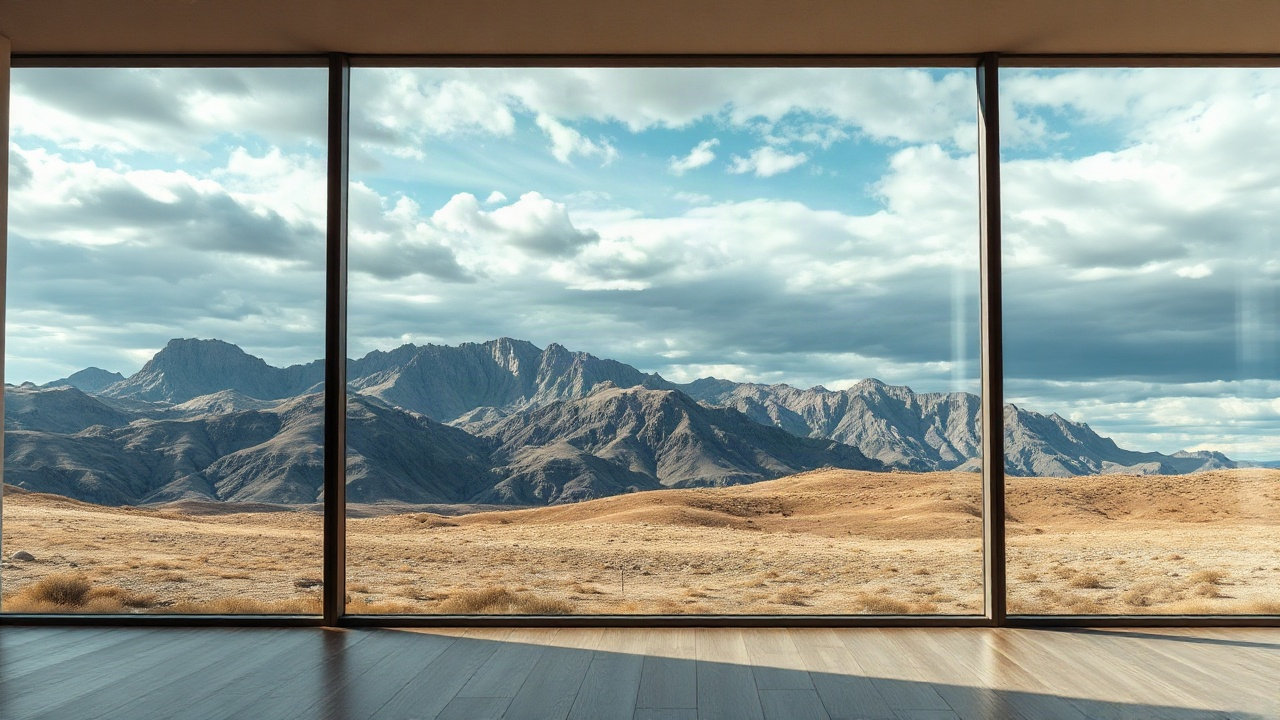
Physical stores are no longer just places to buy things. With the convenience of e-commerce, a store must offer something that a website cannot: a physical, sensory, and social experience. This has led to the rise of ‘experiential retail.’ Stores are becoming showrooms, community hubs, and event spaces where the ‘sale’ is almost a byproduct of the engagement.
Modern flagship stores often include cafes, galleries, or even workshop spaces. The goal is to increase ‘dwell time’—the amount of time a customer spends in the space. The longer a person stays, the deeper their emotional connection to the brand becomes. Retailers are using sensory branding—custom scents, curated playlists, and specific lighting temperatures—to create a mood that encourages exploration and relaxation.
Innovations in Physical Spaces
- Interactive Displays: Screens or installations that respond to a customer’s movement or touch.
- Workshops and Classes: Teaching customers how to use products or develop related skills.
- Concierge Services: Personalized styling or consultation that goes beyond basic customer service.
- Community Events: Hosting yoga classes, book clubs, or local meetups within the retail environment.
The success of these spaces is measured not just by sales per square foot, but by engagement metrics and ‘social shareability.’ However, the best spaces focus on the quality of the interaction rather than how it looks on a screen. When a customer walks into a store and feels welcomed, inspired, and unhurried, they are far more likely to become a loyal brand advocate.
Even malls are reinventing themselves. No longer just a collection of stores, the modern ‘lifestyle center’ is an entertainment destination. They feature parks, high-end cinemas, climbing walls, and diverse dining options. They are designed to be ‘walkable’ and ‘Instagrammable,’ providing a sense of place that replaces the sterile environments of the past. The focus is on creating a day out, an outing that provides multiple layers of emotional satisfaction.
Technology as an Enabler, Not a Replacement
While the experience economy is deeply human, technology plays a crucial role in facilitating it. Augmented Reality (AR) and Virtual Reality (VR) are used to enhance physical reality, not replace it. For example, a museum might use AR to show how a ruined ancient temple looked in its prime, adding a layer of historical depth to the physical visit.
Data analytics allow companies to offer hyper-personalization. If a hotel knows a guest prefers green tea and extra pillows, providing those items before the guest even asks creates a ‘magic’ moment. This ‘anticipatory service’ is a hallmark of high-level experience design. Technology handles the logistics, freeing up human staff to focus on empathy, hospitality, and creative problem-solving.
However, there is a delicate balance. Too much technology can lead to ‘tech-fatigue.’ The most successful experiences use ‘invisible’ technology. The interface is seamless, and the tech doesn’t draw attention to itself. The focus remains on the human interaction or the physical environment. For instance, a contactless check-in is great because it removes a boring administrative task, leaving more time for the concierge to suggest a personalized itinerary.
The digital world itself is also evolving into an experience. We see this in the shift from ‘scrolling’ to ‘immersing’ in digital content. Video games have long understood this, offering vast worlds for exploration and social interaction. Now, other digital platforms are trying to replicate this ‘world-building’ approach, creating virtual spaces where people can gather, learn, and experience culture together.
Sustainability and the Minimalism Movement

The experience economy is closely linked to the growing movement toward sustainability and minimalism. As people become more aware of the environmental impact of over-consumption, they are choosing to ‘buy less, but better.’ Instead of filling homes with cheap, disposable items, many are opting to spend that money on meaningful experiences that leave no physical footprint.
Experiences are inherently more sustainable in many ways. While travel has a carbon footprint, many other experiences—like education, local theater, or dining—are based on human labor and creativity rather than raw material extraction and waste. The ‘circular economy’ also plays a role, with people paying for access (subscriptions, rentals) rather than ownership. You pay for the experience of using a high-end tool or vehicle without the burden of maintaining it.
Minimalism isn’t about having nothing; it’s about making room for what matters. When we remove the ‘clutter’ of unnecessary possessions, we have more mental and financial space for the things that truly enrich us. This philosophy has shifted the gift-giving culture as well. ‘Gift an experience’ has become a popular mantra, as people realize that a cooking class or a concert ticket is often more appreciated and remembered than another scented candle or a novelty tie.
The Benefits of an Experience-First Lifestyle
- Reduced Stress: Less physical clutter leads to a calmer living environment and fewer chores.
- Personal Growth: Learning new skills or traveling expands one’s worldview and adaptability.
- Stronger Bonds: Sharing activities with friends and family creates lasting shared histories.
- Financial Clarity: Spending becomes more intentional, focused on value rather than impulse.
This shift is also driving the ‘quality over quantity’ mindset in the goods we do buy. If we are going to own something, we want it to be an ‘experience’ in itself—well-designed, durable, and aesthetically pleasing. This has given rise to ‘slow fashion’ and ‘slow furniture,’ where the story of the item’s creation is part of its value.
The Future: From Experience to Transformation
The final frontier of the experience economy is the Transformation Economy. If an experience is a memorable event, a transformation is a lasting change. In this stage, the customer is the ‘product.’ They pay for experiences that help them become a better, healthier, or more skilled version of themselves. Think of fitness retreats, intensive workshops, or life coaching.
In the transformation economy, the provider acts as a ‘guide.’ The success of the offering is measured by whether the customer achieves their desired goal. This requires a deep understanding of human psychology and a long-term commitment to the customer’s journey. It moves beyond ‘having’ and ‘doing’ into ‘being.’
As the world becomes more automated and AI takes over routine tasks, the demand for these deeply human, transformative experiences will only grow. We will seek out places and people that help us navigate the complexities of life, find meaning, and connect with our true selves. The economy of the future is not about things—it is about the human spirit and the infinite ways we can experience the world around us.