
The Physical Foundation: Standing at the Heart of the Action
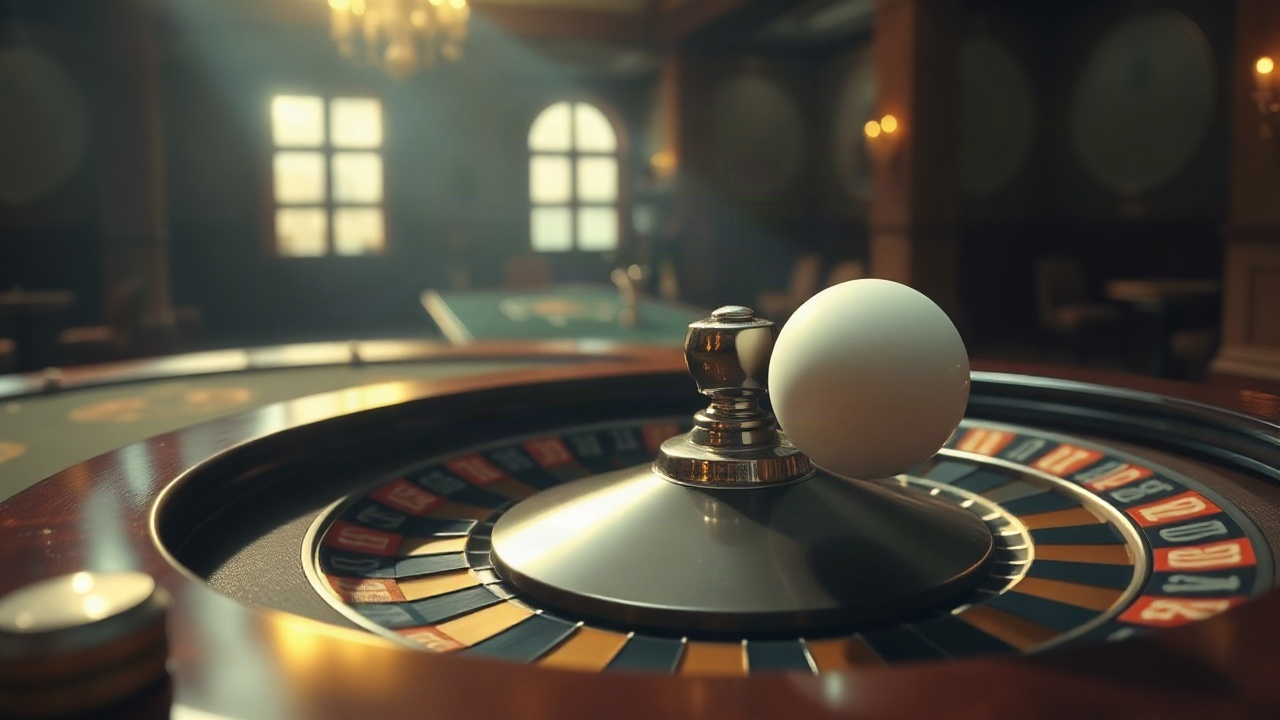
Entering the world of professional gaming requires more than just a passing knowledge of cards; it demands a physical resilience that few office jobs ever encounter. The casino dealer profession is defined by the endurance of standing for eight to ten hours a day. While the uniform remains crisp and the posture upright, the strain on the lower back and legs is a constant companion. High-tier establishments usually mitigate this through a rigorous rotation schedule, typically involving forty to sixty minutes at the table followed by a mandatory twenty-minute break. This rhythm is essential for maintaining the sharp focus required to handle thousands of dollars in transactions every minute.
Footwear becomes the most critical investment for any professional behind the felt. While the dress code often mandates polished black shoes that look formal, internal padding and ergonomic support are what allow a dealer to remain mobile. The floor surfaces in gaming halls are often a mix of dense carpet and hard underlying structures, creating a challenging environment for the joints. Professional dealers learn to distribute their weight evenly, avoiding the habit of leaning on the table, which is both a physical faux pas and a security concern. This disciplined stance ensures they are ready to react to any player movement or game development.
The environment itself is a controlled ecosystem, often lacking natural light and operating on a twenty-four-hour cycle. Dealers must adapt to artificial lighting that is specifically designed to keep the energy high and the security cameras’ vision clear. The air is often conditioned to a specific temperature to keep players comfortable, which can sometimes feel chilly for those who are constantly moving. Managing personal health in such an environment requires a strict routine outside of work hours, focusing on hydration and physical stretching to counteract the repetitive motions of dealing.
Repetitive Strain Injury (RSI) is a genuine risk that professionals must navigate. The constant motion of the wrists, whether pitching cards in Blackjack or sweeping chips in Roulette, requires a fluid, relaxed technique. Veteran dealers often demonstrate a style that looks effortless but is actually a highly refined set of biomechanical movements designed to minimize impact on the small muscles of the hand. Learning to ‘let the cards fly’ without tensing the forearm is a skill taught early in dealing schools but perfected only after years of active service.
The uniform is more than just an aesthetic choice; it is a tool of the trade. It is designed without pockets to ensure game integrity, and the sleeves are often cut to a specific length to allow the ‘clearing of hands’—a gesture where dealers show their palms to the surveillance cameras before and after touching chips or currency. This constant awareness of the body in relation to the table and the overhead cameras creates a unique mental burden that accompanies the physical one. The smile on the dealer’s face must remain consistent, regardless of the physical fatigue setting in during the final hours of a graveyard shift.
Hydration and nutrition also play a silent but vital role. Because breaks are strictly timed and frequent, dealers must manage their energy levels in short bursts. A heavy meal can lead to a drop in concentration, which is unacceptable when the house’s money is on the line. Most successful professionals opt for small, energy-dense snacks that keep the mind sharp. The physical discipline of the job is the silent engine that allows the glamorous facade of the casino to function seamlessly around the clock.
Mental Arithmetic and the Speed of the Game
Beyond the physical endurance lies a requirement for lightning-fast mental processing. A professional dealer is essentially a human calculator with a customer service overlay. In games like Roulette, where bets can be scattered across dozens of combinations, calculating the total payout in a matter of seconds is a non-negotiable skill. A dealer must be able to multiply numbers like 17, 35, and 8 in their head simultaneously while maintaining a conversation and watching for table errors. This level of cognitive load is what separates the novices from the masters of the pit.
The training for this mental agility often starts with ‘picture bets.’ Instead of calculating each bet from scratch, dealers memorize the visual patterns of chip stacks. For instance, a specific arrangement of five chips on a ‘street’ and three chips on a ‘corner’ creates a visual footprint that the dealer recognizes as a specific total. This spatial recognition allows them to process complex payouts without pausing the flow of the game. If the game slows down, the excitement wanes, and the house loses its edge; therefore, speed and accuracy are the dual pillars of the craft.
In Blackjack, the math is simpler but the volume of hands is much higher. A dealer might process hundreds of hands in a single hour, each requiring a quick count of the cards, a comparison against the dealer’s hand, and a rapid payout or collection. The margin for error is zero. Every mistake is caught by the ‘Eye in the Sky’ (surveillance) and recorded. Consistent accuracy builds a dealer’s reputation, leading to opportunities at higher-limit tables where the pressure—and the potential for tips—increases significantly.
The mental pressure also involves tracking the ‘pot’ or the ‘deck.’ In games like Poker, the dealer is responsible for calculating the rake (the house’s percentage) and ensuring the pot is correct at all times. This requires constant attention to every player’s action, ensuring that no one bets out of turn and that all chips are accounted for. The dealer is the final authority at the table, and their mathematical certainty provides the structure that allows players to trust the fairness of the game.
Comparative Complexity of Game Payouts
| Game Type | Primary Mathematical Focus | Calculation Speed Required | Complexity Level |
|---|---|---|---|
| Blackjack | Addition up to 21, 3:2 ratios | High (Rapid turnover) | Moderate |
| Roulette | Multiplication (17x, 35x, 8x) | Extreme (Complex layouts) | High |
| Baccarat | Single-digit addition, 5% commission | Moderate | Low/Medium |
| Craps | Varied odds, complex dice combinations | High (Dynamic betting) | Very High |
Dealing with currency also adds a layer of mental stress. Converting cash into ‘cheques’ (the industry term for chips) must be done with total transparency. The dealer ‘washes’ the chips on the felt—spreading them out so cameras can verify the count—while verbally announcing the amount. This dual-channel communication (visual and auditory) ensures that the player, the pit boss, and the surveillance team are all in agreement. The mental fatigue from this constant vigilance is one of the most overlooked aspects of the profession.
The ability to ‘switch off’ after a shift is equally important. Dealers spend hours in a state of hyper-awareness, and the transition back to normal life can be jarring. The mental ‘muscle’ used for gaming math is often so well-developed that veteran dealers find themselves calculating the total cost of groceries before the scanner even finishes, a lingering side effect of a career spent in the world of rapid-fire arithmetic.
The Choreography of the Hands: Manual Dexterity

A dealer’s hands are their most valuable assets. The way a professional handles cards and chips is often referred to as ‘table side manner’ or ‘game choreography.’ It is not just about moving objects; it is about doing so in a way that is both elegant and secure. The ‘piff-paff’ shuffle, the ‘strip,’ and the ‘riffle’ are not just stylistic choices; they are standardized procedures designed to ensure that every card is thoroughly randomized and that no cheating can occur. The fluidity of these movements is the result of thousands of hours of practice.
Chip manipulation, or ‘chequing,’ is another area where manual dexterity shines. A dealer must be able to ‘size into’ a stack of chips—using one hand to pull exactly the same number of chips from their tray as the player has bet, simply by feeling the height of the stack. They must also be able to ‘cut’ chips, spreading them out with a single, smooth motion of the thumb and forefinger to show the count. This tactile sensitivity allows the dealer to keep their eyes on the players rather than on their own hands, which is a vital security measure.
The ‘pitch’ is the signature move of a Blackjack dealer. Holding the deck in the ‘mechanic’s grip,’ the dealer uses their index finger to flick cards across the table with pinpoint accuracy. The card should ideally land exactly in front of the player, sliding perfectly into place without flipping over or hitting the player’s chips. This requires a delicate balance of force and friction, influenced by the humidity in the room and the age of the cards. A fresh deck is ‘slick’ and behaves differently than one that has been in play for several hours.
In Craps, the use of the ‘stick’ adds another dimension. The stickman must maneuver the dice across a long table with a curved wooden tool, ensuring they are always visible and handled according to strict protocol. The coordination required to manage the dice, call the game, and track the bets of a dozen players simultaneously is a peak example of the multi-tasking inherent in the profession. The hands are never truly at rest; even when the game is paused, they are positioned in a way that demonstrates readiness and transparency.
- The Wash: Spreading cards face down on the table and mixing them in a circular motion to ensure randomness.
- The Riffle: Splitting the deck into two and interlacing the cards by releasing them with the thumbs.
- The Boxing: Taking a small portion of the deck and turning it 180 degrees before shuffling it back in.
- Cutting the Deck: Using a ‘cut card’ to ensure the dealer never sees the bottom card of the deck.
The ‘clearing of hands’ is perhaps the most repetitive motion in a dealer’s day. Every time a dealer touches their body, adjusts their clothing, or leaves the table, they must clap their hands lightly and turn their palms up toward the ceiling. This gesture, known as ‘dusting the hands,’ is a signal to the surveillance team that nothing has been palmed or hidden. It becomes a subconscious habit; many dealers find themselves clearing their hands at the dinner table or when handing over their car keys, much to the amusement of their families.
Protecting the hands is a priority. Many dealers avoid hobbies that could lead to hand injuries, such as heavy weightlifting without gloves or certain types of manual labor. A simple paper cut or a bruised finger can affect the speed and grace of their delivery, potentially leading to time away from the table. The hands are not just tools; they are the performers in a high-stakes theater, and they must be kept in peak condition to maintain the integrity of the performance.
The Psychology of the Table: Reading the Room
A casino table is a microcosm of human emotion, and the dealer is the person tasked with managing it. On any given night, a dealer will interact with people experiencing the highs of sudden wealth and the lows of significant loss. Maintaining a ‘poker face’ is only half the battle; the more difficult task is managing the energy of the table to ensure a pleasant environment for all participants. This requires a high degree of emotional intelligence and the ability to read subtle social cues.
Dealers must navigate a variety of personality types, from the ‘system player’ who is intensely focused on their strategy to the ‘social player’ who is there for the atmosphere. A good dealer knows when to be chatty and when to remain silent. If a player is on a losing streak, the dealer must remain empathetic but professional, avoiding any behavior that could be seen as gloating or indifference. Conversely, when a player wins big, the dealer shares in the excitement without losing control of the game’s pace.
Conflict resolution is a daily occurrence. Tensions can run high when money is involved, and players may look for someone to blame for their bad luck. The dealer is often the closest target. Professionalism in these moments means not taking insults personally and using de-escalation techniques to calm the situation. If a player becomes abusive, the dealer must know exactly how to signal for the pit boss or security without escalating the tension further. The goal is always to keep the game moving smoothly.
The relationship between the dealer and the regular players is a delicate balance. Regulars often have their favorite dealers, believing they bring ‘good luck’ or simply enjoying their professional style. However, the dealer must avoid any appearance of favoritism. They must treat the ‘whale’ (high roller) and the casual tourist with the same level of respect and adherence to the rules. This impartiality is what maintains the house’s credibility and ensures that all players feel they are getting a fair shake.
Common Player Archetypes and Dealer Responses
- The Enthusiast: Celebrates loudly; dealer maintains energy but keeps the game pace steady.
- The Strategist: Takes long pauses; dealer provides gentle prompts to keep the game moving.
- The Grumbled: Complains about ‘bad cards’; dealer remains neutral and follows strict procedural scripts.
- The Newbie: Unsure of rules; dealer provides clear, concise guidance without being patronizing.
There is also the silent communication between the dealer and the pit boss. A subtle nod or a specific way of calling out a bet can signal that a player needs attention or that something feels ‘off’ at the table. This internal team dynamic is crucial for security. The dealer acts as the first line of defense against card counting, ‘collusion’ between players, or ‘past-posting’ (adding to a bet after the result is known). Being able to spot these behaviors while still being a gracious host is a masterful balancing act.
Ultimately, the dealer’s job is to provide an experience. For many players, the interaction with the dealer is the most memorable part of their visit. A dealer who can turn a losing night into an entertaining story is worth their weight in gold to the casino. This ‘soft skill’ is often what determines who gets promoted to the prestigious ‘high limit’ rooms, where the tips are higher but the expectations for sophisticated social management are much greater.
Under the Lens: The Reality of Surveillance

In the casino world, the phrase ‘someone is always watching’ is not a conspiracy theory—it is a operational fact. Every inch of the gaming floor is covered by high-definition cameras, and every movement the dealer makes is scrutinized by the surveillance team, often called ‘Game Protection.’ This constant oversight creates a unique workplace culture where total transparency is the only way to survive. For a dealer, the cameras are both a judge and a protector.
Surveillance isn’t just looking for theft; they are looking for procedural errors. If a dealer forgets to ‘burn’ a card (discard the top card) or pays out the wrong amount, the eye in the sky will catch it. These are called ‘calls from the sky.’ A dealer might receive a message from their supervisor to correct an error that happened three minutes ago. This requires a thick skin; in this profession, your mistakes are broadcast in slow motion to a room of experts. However, the cameras also protect dealers from false accusations by players, providing an objective record of every hand.
The strictness of these protocols extends to the dealer’s personal conduct. They are often prohibited from gambling at the casino where they work, and sometimes even at ‘sister’ properties. Their social circles are often scrutinized to ensure they aren’t fraternizing with known ‘advantage players’ or individuals who might seek to compromise the game. This level of scrutiny can feel invasive to outsiders, but for the professional dealer, it is simply part of the ‘clean’ image required to maintain the integrity of the multi-billion dollar gaming industry.
Procedural ‘tells’ are what surveillance looks for in a dealer who might be ‘going rogue.’ For example, if a dealer consistently ‘flashes’ the hole card (gives a player a glimpse of the hidden card), it might be an accident, or it might be collusion. Surveillance experts are trained in the same manual techniques as dealers, allowing them to spot the difference between a clumsy mistake and a practiced ‘move.’ This cat-and-mouse game ensures that the house’s edge is protected by the most rigorous standards of behavior.
Key Security Protocols for Dealers
- Hand Clearing: Showing empty palms to the cameras whenever leaving the table or touching the body.
- Verbalizing: Loudly announcing ‘Change,’ ‘Color up,’ or ‘No more bets’ to create an audio record.
- Card Placement: Ensuring cards never leave the view of the overhead cameras or the ‘apron’ of the table.
- Chip Stacking: Keeping stacks of different denominations clearly separated for easy visual auditing.
The relationship between the dealer and the ‘floor’ (the area supervisors) is built on this foundation of security. The floor supervisor is there to mediate disputes and handle the paperwork, but they also serve as a second set of eyes. A dealer must feel comfortable calling for a ‘floor’ whenever they are in doubt. In the casino industry, asking for help is seen as a sign of strength and professional integrity, rather than a lack of knowledge.
The ‘Table Inventory’ is the final piece of the security puzzle. At the beginning and end of every shift, the chips in the tray are counted and verified. Any discrepancy, even of a few dollars, triggers an investigation. This level of accounting would be exhausting in any other industry, but in gaming, it is the heartbeat of the business. The dealer’s responsibility is to ensure that the tray they leave is as accurate as the one they inherited, maintaining the ‘chain of custody’ for the house’s capital.
The Social Dynamics of Tipping and Etiquette
In many jurisdictions, a significant portion of a dealer’s income comes from tips, or ‘tokes.’ This creates a unique dynamic where the dealer is essentially a commissioned service provider. However, unlike a waiter, the dealer’s performance doesn’t directly influence the ‘product’ (the cards) but it does influence the ‘experience.’ Understanding the etiquette of tipping—and the regulations surrounding it—is a vital part of the casino dealer profession.
There are two main ways dealers receive tips. The first is a direct tip, where a player hands over a chip or ‘posts’ it for the dealer. The second is a ‘bet for the dealer,’ where the player places a wager on the dealer’s behalf. If the bet wins, the dealer gets the payout and the original stake. This creates a shared ‘win’ moment between the player and the dealer, which can significantly boost the table’s energy. However, the dealer must remain professional; they cannot root for the player or show disappointment if the bet loses.
The way tips are handled varies by house policy. Some casinos use a ‘keep your own’ system, where the dealer takes home exactly what they earned during their shift. Others use a ‘pool’ system, where all tips are collected and divided among the staff based on the number of hours worked. Pooling is common in larger resorts as it encourages teamwork and ensures that dealers at ‘quiet’ tables are not penalized for things outside their control. It also discourages dealers from ‘hunting’ for high rollers or neglecting players who don’t tip well.
Etiquette is a two-way street. A professional dealer never asks for a tip or implies that one is expected. This is often a terminable offense. Instead, they focus on providing a fast, accurate, and pleasant game. They also have a specific way of accepting tips to satisfy security—usually tapping the chip on the table and ‘dropping’ it into a locked ‘toke box’ while nodding to the camera. This ensures that the tip is recorded and that no money is being diverted into the dealer’s clothing.
Pros and Cons of the Tipping System
| Feature | Advantage for the Dealer | Potential Drawback |
|---|---|---|
| Pooled Tips | Stable income regardless of table placement. | Top performers may feel they are subsidizing others. |
| Bets for the Dealer | High excitement and ‘big win’ potential. | Unpredictable; depends on player’s luck. |
| High-Limit Rooms | Potential for life-changing single tips. | Higher stress and stricter performance standards. |
| Direct Tips | Immediate gratification and feedback. | Can lead to uneven income across shifts. |
Dealing with ‘non-tippers’ is a test of character. In a service-heavy industry, it can be frustrating to provide hours of entertainment without a ‘toke,’ but a professional never lets it show. They understand that for some cultures or individual players, tipping is not a standard practice. Maintaining the same level of service for every guest, regardless of their tipping habits, is the hallmark of a true professional. It preserves the casino’s reputation and ensures that the dealer remains above reproach.
The ‘toke committee’ is a common feature in many casinos, where dealers themselves help manage the distribution and auditing of the tip pool. This adds a layer of democratic oversight to the process. Being involved in these committees can give a dealer insight into the business side of the casino, often serving as a first step toward a management role. It teaches them about labor costs, tax implications, and the importance of collective performance.
The Career Path: From Dealing School to Management
No one simply ‘becomes’ a dealer; it is a trade learned through rigorous schooling and ‘auditions.’ Most aspiring professionals attend a dealing school for eight to twelve weeks, where they spend hours each day practicing chip handling, shuffling, and game rules. The graduation from these schools isn’t a certificate, but an ‘audition’—a live tryout at a casino where a pit boss watches them deal a game to ensure they can handle the pressure and the mechanics of a real environment.
The career often starts at ‘break-in houses’—smaller or local casinos where the stakes are lower and the management is more willing to train new talent. After gaining experience, a dealer might move to a larger ‘strip’ property or a high-end resort. From there, the path branches. Some dealers prefer the ‘front line’ and spend their entire careers at the table, becoming ‘dual-rate’ dealers who sometimes act as supervisors. Others aim for the ‘box’ or the ‘pit.’
A Pit Boss is the next major step. This role moves away from handling cards and into the realm of management. The Pit Boss oversees several tables, handles player disputes, monitors the ‘drop’ (revenue), and ensures that all dealers are following protocol. They are also responsible for ‘rating’ players—tracking how much they bet so the casino can offer ‘comps’ (free rooms or meals). This requires a shift in mindset from technical execution to administrative oversight and customer relationship management.
Higher levels of management include the Casino Shift Manager and the Director of Gaming Operations. These roles involve analyzing the ‘hold’ (the percentage of money the casino keeps), managing labor schedules, and staying compliant with gaming commissions. Many of the most successful casino executives started as dealers, giving them a ‘ground up’ understanding of the business. They know exactly how a table should run because they’ve spent thousands of hours in the box themselves.
- Step 1: Dealing School. Mastering the mechanics of 2-3 core games.
- Step 2: The Audition. Demonstrating skills under the watchful eye of the Pit Boss.
- Step 3: Break-in Period. Gaining ‘felt time’ in a low-stakes environment.
- Step 4: Major Resort Placement. Dealing in high-volume, high-stakes environments.
- Step 5: Specialist Roles. Moving into VIP rooms or specialized games like Baccarat.
- Step 6: Supervision. Transitioning to Floor Supervisor or Pit Boss roles.
The rise of ‘Live Dealer’ online gaming has created a new career branch. These dealers work in front of cameras in a studio setting, interacting with players via a digital interface. While the mechanics are the same, the ‘performance’ aspect is heightened, as they must be more expressive and engaging to compensate for the lack of physical presence. This sector of the industry has grown exponentially, offering opportunities for dealers who are comfortable with technology and ‘on-camera’ work.
Continuous education is a constant. Gaming laws change, new side-bets are introduced, and game variations (like ‘Free Bet Blackjack’) are added to the floor. A dealer who remains stagnant in their knowledge will find themselves stuck at lower-limit tables. The most successful professionals are those who are constantly learning new games, making them more versatile and valuable to the house. In the casino world, versatility is the key to longevity.
The Lifestyle: Living in a Twenty-Four-Hour World
Perhaps the most profound impact of the casino dealer profession is on a person’s lifestyle. Casinos never sleep, which means dealers work when the rest of the world plays. Graveyard shifts, weekends, and holidays are the standard. This ‘inverted’ schedule can make social lives challenging, as dealers are often heading to work just as their friends are finishing dinner. However, for a certain type of person, the ‘night owl’ lifestyle offers unique advantages.
The camaraderie among casino staff is often incredibly strong. Because they work unusual hours and deal with high-stress situations together, they form tight-knit communities. It’s not uncommon to see a group of dealers having ‘breakfast’ at a local diner at 7:00 AM, winding down after a long night shift. This shared experience creates a support system that understands the specific pressures of the job—the ‘bad beats,’ the difficult players, and the physical fatigue.
Managing health on a rotating shift requires discipline. Successful dealers often keep their homes in ‘blackout’ conditions to sleep during the day and are meticulous about their diet. The ‘casino lungs’ of the past—a result of working in smoke-filled rooms—are becoming less common as more jurisdictions implement smoking bans or advanced filtration systems. However, the lack of Vitamin D from daylight and the disruption of circadian rhythms remain challenges that every dealer must address.
The financial aspect of the lifestyle can be a double-edged sword. Dealers often have a significant amount of cash on hand due to tips. Without a disciplined approach to banking, it can be easy to fall into a cycle of ‘easy come, easy go.’ Many casinos provide financial wellness programs to help staff manage their unique income structure. The smartest dealers treat their tips as a professional bonus, using their base salary for essentials and their ‘tokes’ for investments or savings.
Work-Life Balance Checklist for Dealers
- Sleep Hygiene: Investing in high-quality blackout curtains and soundproofing.
- Social Planning: Scheduling ‘mid-week’ weekends to spend time with family.
- Physical Maintenance: Regular appointments with a physical therapist or massage therapist for back health.
- Financial Discipline: Daily tracking of tips and immediate deposit into savings accounts.
- Meal Prep: Bringing healthy food to avoid the heavy, fried options often found in late-night staff cafeterias.
There is also the ‘glamour’ factor. Working in a high-end resort means being surrounded by luxury, fine dining, and world-class entertainment. Dealers often get discounts or access to these amenities, allowing them to enjoy a lifestyle that might otherwise be out of reach. Being part of the ‘engine’ that makes these massive resorts run provides a sense of pride and a front-row seat to some of the most interesting human dramas imaginable.
Ultimately, the profession of a dealer is one of the few remaining trades where manual skill, mental math, and social grace are combined into a single role. It is a demanding, high-stakes career that offers a unique perspective on the world. Beyond the crisp uniform and the practiced smile lies a world of precision, psychology, and resilience. For those who can master the balance, it is not just a job—it is a craft practiced at the intersection of risk and reward.