
The Sonic Architecture of Reward Systems

In the digital landscape of gaming machines, the auditory experience is far from a mere aesthetic choice; it is a meticulously engineered psychological tool. Designers utilize complex frequencies and rhythmic patterns to create what is known as the dopamine loop. This loop is a neurological cycle where a stimulus triggers the release of dopamine, a neurotransmitter associated with pleasure and motivation, encouraging the brain to seek more of that same stimulus. Sound acts as the primary signal for this feedback, often preceding the visual confirmation of a win. By layering specific chords and resonances, creators can bypass the analytical mind and speak directly to the emotional core of the individual.
Soundscapes in these environments are never silent. Even the background hum is calibrated to maintain a state of heightened arousal. High-frequency tones are frequently employed because the human ear is naturally more sensitive to them, associating sharp, clear sounds with alertness and discovery. This constant auditory stimulation ensures that the brain remains in a receptive state, ready to react to the next positive reinforcement. The goal is to create an immersive bubble where the passage of time is obscured by a continuous stream of pleasant vibrations.
The science of psychoacoustics plays a vital role here. Engineers study how different sound waves interact with human physiology, such as heart rate and skin conductance. When a machine emits a specific set of bells or digital fanfares, it isn’t just noise; it is a calculated pulse designed to synchronize with the player’s internal rhythm. This synchronization helps solidify the connection between the physical action of pressing a button and the chemical reward in the brain. Over time, the sound itself becomes a conditioned stimulus, triggering a dopamine spike even before the outcome of a game is known.
Modern sound design focuses on the C-major scale or other major keys because they are culturally and biologically perceived as happy and celebratory. Dissonance is avoided unless it is used to create a brief moment of tension that is immediately resolved by a harmonious chord. This resolution provides a sense of relief and accomplishment, further fueling the desire to continue the experience. The auditory environment effectively becomes a digital therapist, constantly providing positive feedback and soothing any potential frustration through melodic consistency.
Furthermore, the spatial distribution of sound—often referred to as 3D or surround sound—enhances the feeling of being inside a separate reality. By placing certain sounds behind or to the sides of the player, the machine creates a sense of presence. This presence makes the rewards feel more tangible and immediate. The auditory depth mimics real-world physics, which helps the brain accept the virtual environment as a valid source of social and emotional fulfillment. It is a masterclass in behavioral engineering through the medium of air pressure variations.
The Psychology of Near-Miss Audio Signals
One of the most potent weapons in the sound designer’s arsenal is the audio signature for a near-miss. In many gaming scenarios, a loss that looks close to a win is treated by the brain not as a failure, but as a precursor to success. Sound designers capitalize on this by playing celebratory or escalating sounds even when the actual outcome is a loss. For example, if two symbols match and the third is just one position away, the machine might play a rising glissando that suggests momentum. This trick of the ear keeps the dopamine flowing, preventing the natural dip that usually follows a disappointment.
Research shows that the brain responds to these near-misses with almost the same level of activity as it does to an actual win. The sound design bridges the gap between expectation and reality. Instead of silence—which would signal the end of a cycle—the machine provides a sonic bridge to the next attempt. This creates a state of urgency and hope. The player feels they are on the verge of a breakthrough, driven by the auditory illusion of progress. It is a subtle manipulation of the brain’s internal prediction error mechanism.
To understand how these sounds differ from actual win sounds, consider the following characteristics:
- Escalating Pitch: Tones that rise in frequency to create a sense of climbing toward a goal.
- Staccato Rhythms: Short, sharp notes that mimic the sound of a ticking clock or a heartbeat, increasing tension.
- Spectral Brightness: Adding high-overtones to a sound to make it feel more important and demanding of attention.
- Abrupt Termination: Stopping the sound right at the peak to leave the listener wanting the resolution that only a win can provide.
The near-miss sound is essentially a cliffhanger. In television, cliffhangers ensure viewers tune in for the next episode; in sound design, they ensure the next interaction happens immediately. The lack of a final, satisfying chord creates a psychological tension that the brain seeks to resolve by trying again. This cycle is incredibly effective at maintaining engagement levels, as the brain is hardwired to seek closure for unfinished patterns.
Moreover, these sounds are often personalized to the specific theme of the machine. Whether it is the clinking of coins or a digital chime, the quality of the sound is tailored to feel rewarding. Even when the player loses money, the sound environment tells them they are doing well. This cognitive dissonance—where the ears hear success while the bankroll shows a loss—is a key component of modern gaming psychology. It allows the individual to maintain a positive mood despite objective losses, a phenomenon often called disguising losses as wins.
The Role of Tempo and Rhythmic Entrainment
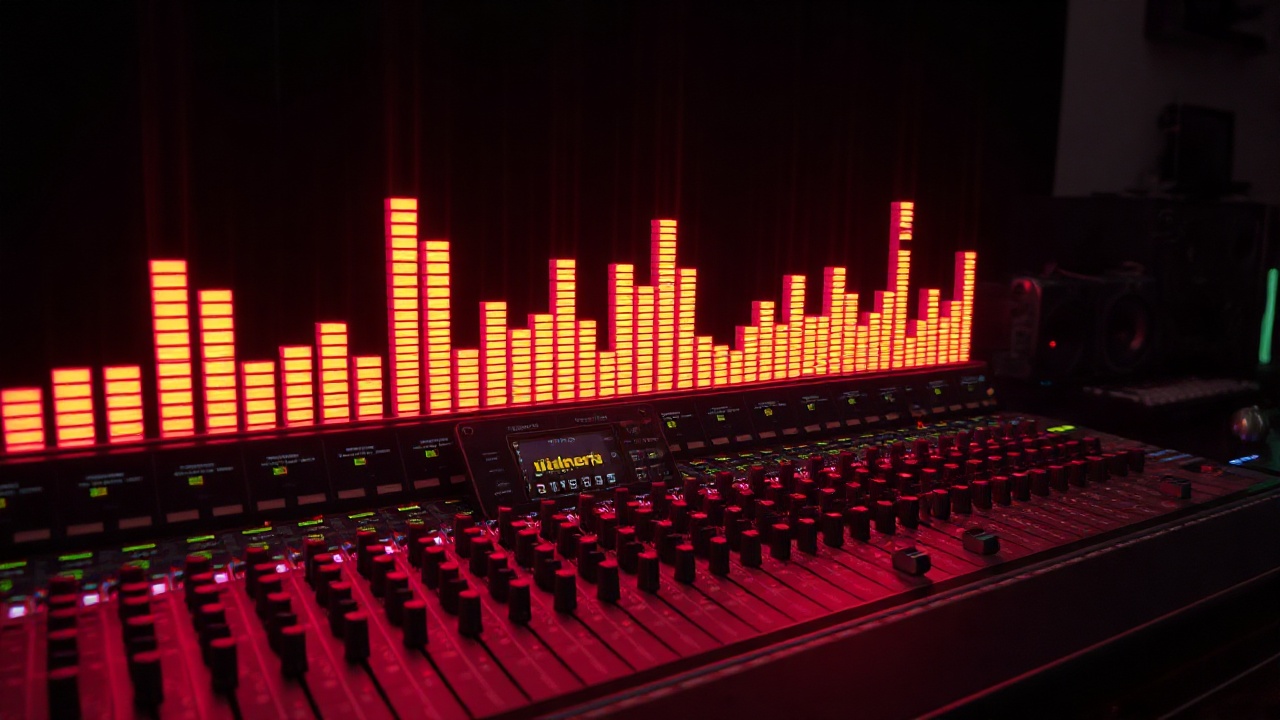
Tempo is a fundamental driver of human emotion and physical movement. In the context of gaming machines, the beats per minute (BPM) are carefully selected to influence the pace of play. Fast tempos, typically above 120 BPM, can induce a state of mild physiological stress and excitement, leading to faster decision-making. Conversely, slower, more ambient tempos can create a trance-like state of relaxation, encouraging longer sessions. The sweet spot is often a moderate, driving rhythm that feels both steady and energizing.
Rhythmic entrainment occurs when a person’s internal biological clock, such as their pulse or breathing, synchronizes with an external rhythm. Sound designers use this to leur the player into a flow state. In this state, the individual becomes fully absorbed in the activity, losing track of external distractions and the passage of time. The steady beat of the background music acts as a metronome for the dopamine loop, timing each release to keep the player in a consistent emotional groove.
Techniques for Rhythmic Control
- The Pulse Effect: Sub-bass frequencies that mimic a human heartbeat to create an instinctive emotional connection.
- Layered Percussion: Adding layers of rhythm as the game progresses to simulate increasing complexity and reward.
- Syncopation: Using unexpected rhythmic shifts to catch the ear and prevent habituation, keeping the brain alert.
The table below compares the psychological effects of different tempo ranges used in gaming environments:
| Tempo Range (BPM) | Psychological State | Behavioral Outcome |
|---|---|---|
| 60 – 80 | Relaxed, Analytical | Extended sessions, lower intensity |
| 90 – 110 | Focused, Steady | Rhythmic, consistent play |
| 120 – 140 | Excited, Impulsive | Rapid interaction, high arousal |
| 150+ | Urgent, Aggressive | Quick decisions, short-term intensity |
As the game reaches a critical point or a bonus round, the tempo often increases. This change signals to the brain that something important is happening. The physical response—a slight increase in adrenaline—makes the eventual outcome feel more significant. This is why even small wins can feel like major victories when accompanied by the right rhythmic buildup. The music acts as a coach, telling the player when to feel excited and when to lean in.
Designers also utilize isochronic tones or steady pulses to facilitate a type of brainwave entrainment. By keeping the rhythm consistent, the machine can help the player enter a focused, meditative state. In this state, the cognitive load of making decisions is reduced, making the act of playing feel effortless and pleasurable. This reduction in mental effort is itself a form of reward, as the brain naturally seeks paths of least resistance when seeking entertainment.
Frequency Modulation and the Illusion of Value


Frequency plays a massive role in how we perceive the value of a reward. Low frequencies are often associated with power, stability, and physicality, while high frequencies are associated with speed, digital precision, and excitement. When a gaming machine pays out, the sound is usually a complex blend of both. The deep thud of a digital bass drum provides a sense of weight to the win, while the shimmering high-end frequencies of bells or chimes make it feel celebratory and bright.
The illusory superiority of sound means that a win accompanied by a rich, high-fidelity audio clip is perceived as being larger than a win of the same value accompanied by a simple beep. Sound designers spend weeks perfecting the timbre of a single win sound. They use