
The Psychological Suspension of Reality through Timelessness
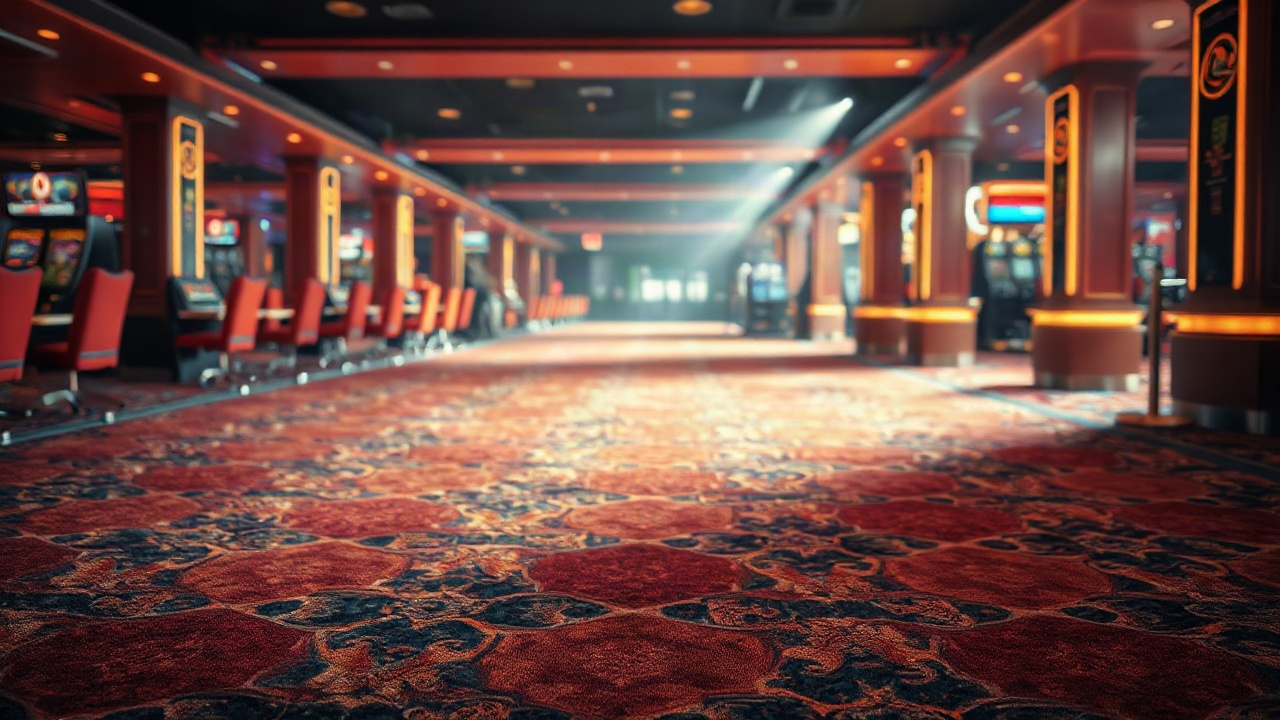
In the world of high-stakes gambling, the concept of timelessness is not merely a design choice but a fundamental pillar of psychological engineering. When walking into a traditional casino, the immediate sensation is one of entering a separate dimension. This is achieved primarily through the absolute removal of external temporal cues. By eliminating windows and clocks, designers effectively sever the link between the guest and the natural progression of the day. Without the visual evidence of the sun moving across the sky or the lengthening of shadows, the human brain loses its ability to track the passage of hours accurately. This state of cognitive suspension is precisely what the house seeks to cultivate.
The biological clock, or circadian rhythm, relies heavily on environmental signals to regulate alertness and fatigue. In a windowless environment, these signals are replaced by a constant, unchanging artificial glow. The result is a phenomenon where guests find themselves in a perpetual ‘now.’ This lack of temporal reference points means that a session intended to last thirty minutes can easily stretch into four hours without the individual noticing the transition from afternoon to late evening. The removal of clocks further solidifies this trap; in the modern world, where every device displays the time, the casino remains one of the few places where the minute hand is intentionally suppressed to keep the focus on the felt and the reels.
Psychologically, the absence of time cues reduces the internal pressure to leave. Most people govern their social lives and responsibilities by the clock—appointments, dinner times, or sleep schedules. When the visual reminder of these obligations is stripped away, the sense of urgency evaporates. The environment becomes a closed loop where the only relevant metrics are the current hand, the next spin, or the rolling of the dice. This atmospheric isolation ensures that the guest remains in a state of high engagement, unburdened by the encroaching reality of the outside world.
Furthermore, the lack of windows serves a dual purpose by also controlling the emotional tone of the space. Natural light is dynamic and unpredictable; a passing cloud or a sudden storm can shift the mood of a room instantly. In a casino, every photon is calculated. The lighting is designed to be warm, inviting, and static. This consistency prevents the ‘slump’ that often occurs during the transition from daylight to dusk, a period when people naturally begin to think about heading home. By maintaining a 24-hour aesthetic of high-noon energy, the architecture ensures the gambling floor never loses its momentum.
The Mechanism of Flow State
Designers often refer to the ‘flow state,’ a psychological condition where a person is fully immersed in an activity. In a casino, everything from the lack of windows to the height of the ceilings is calibrated to maintain this flow. When a person is in flow, they lose self-consciousness and their sense of time becomes distorted. The architecture acts as a buffer zone, protecting this fragile mental state from the harsh interruptions of the real world. Every time a player would have looked at a window and seen the sunset, they might have been prompted to check their watch. By removing the window, the architect removes the ‘exit prompt’ from the player’s cognitive queue.
The absence of clocks is also a courtesy to the subconscious mind. Seeing a clock can trigger ‘anticipatory anxiety’ about the next day’s tasks. In the gambling hall, the goal is total escapism. The room is engineered to be an island where the only reality is the one contained within the four walls. This architectural strategy has been refined over decades, moving from simple windowless boxes to complex, multi-sensory environments where the very air is conditioned to keep the occupant present and focused on the game.
Artificial Illumination and the Golden Hour Strategy
Lighting in a casino is never accidental. Since there are no windows to provide natural light, the responsibility of setting the mood falls entirely on artificial illumination. The strategy usually involves creating a ‘perpetual twilight’ or a ‘golden hour’ effect. This specific spectrum of light is known to be the most flattering to human skin tones and the most relaxing to the eyes. By using warm ambers and soft yellows, casinos create an environment that feels luxurious and safe, encouraging guests to settle in for long periods. The lighting is kept at a consistent level across the floor to ensure there are no dark corners or jarringly bright spots that might break the immersion.
Modern casino lighting also utilizes chromotherapy principles. Subtle shifts in color temperature can be used to energize a room or calm it down. For instance, around the slot machines, the lights might be more vibrant and fast-moving to stimulate excitement, while the high-limit areas use softer, more static lighting to convey a sense of prestige and focus. Because there is no sunlight to compete with, the designers have absolute control over the visual hierarchy of the space. They can use light to guide foot traffic, highlight specific ‘hot’ machines, or make the exits appear less prominent than the entrances to the gaming pits.
Another technical aspect is the reduction of glare. When natural light hits a shiny surface, like a slot machine screen or a polished table, it creates a reflection that can be physically tiring for the eyes. By controlling the light sources from above and using diffused fixtures, casinos minimize eye strain. This allows players to look at screens or cards for much longer than they would be able to in a naturally lit room. It is a subtle form of physical comfort engineering that has a direct impact on the duration of play.
- Warmth: Using 2700K to 3000K color temperatures to simulate a cozy, evening-like atmosphere.
- Focal Points: Using spotlights to draw attention to jackpot displays and promotional areas.
- Subliminal Direction: Using light trails in the carpet or ceiling to lead guests deeper into the gaming area.
- Contrast Management: Keeping the overall ambient light low so that the bright, colorful displays of the machines pop with more intensity.
The engineering of these lighting systems often involves thousands of individual dimmers and sensors. Even though the light appears static to the guest, it may subtly shift throughout the day to compensate for the natural rhythms of the staff and the expected energy levels of the crowd. However, these changes are so incremental that they are imperceptible to the casual observer. The goal is a seamless visual experience that never suggests the passage of time or the need for a change in activity.
| Lighting Type | Purpose | Psychological Effect |
|---|---|---|
| Ambient Glow | General Visibility | Comfort and security |
| Neon/LED Accents | Highlighting Machines | Excitement and urgency |
| Chandelier Clusters | Luxury Branding | Prestige and high-value perception |
| Directional Pin-spots | Table Focus | Deep concentration and focus |
The Friedman Maze vs. The Thomas Playground
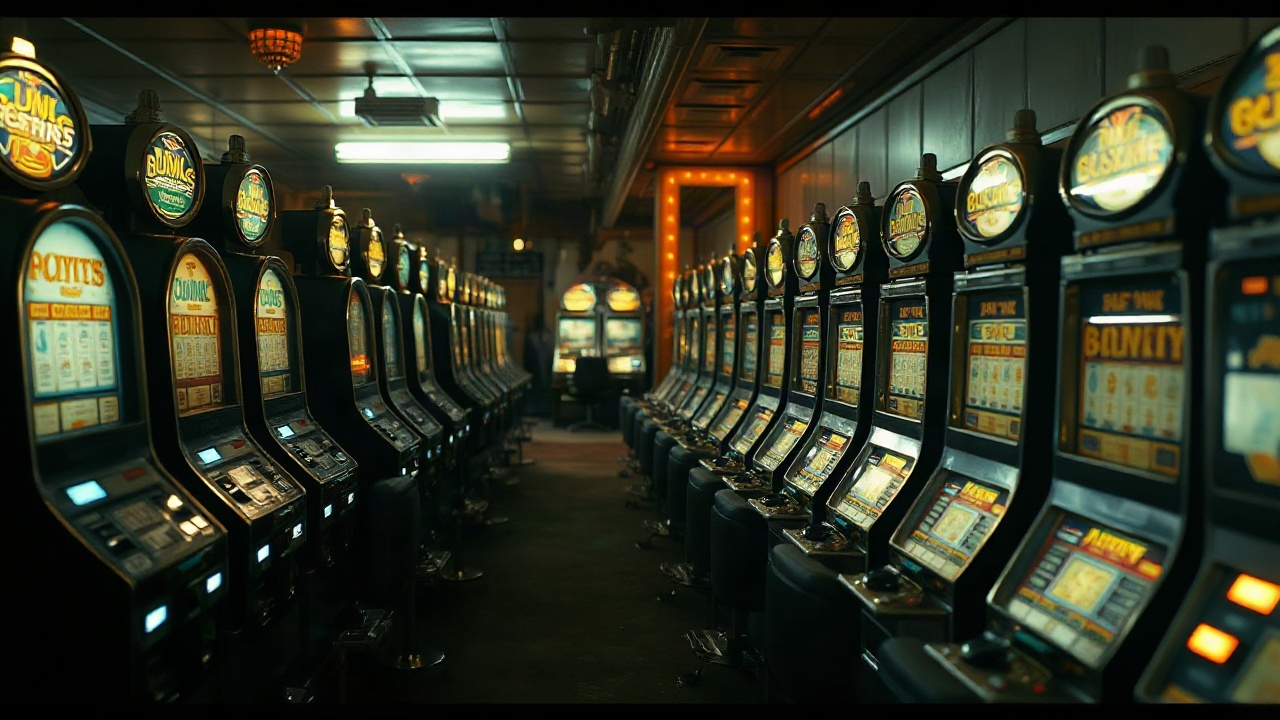
In the history of casino architecture, two dominant philosophies have shaped how these spaces are built. The first is the Bill Friedman model. Friedman, a former gambling addict turned consultant, believed that the ideal casino should be a labyrinth. According to his principles, the gaming floor should have low ceilings, narrow aisles, and no clear lines of sight to the exits. The logic was simple: if a guest gets lost, they are forced to pass more slot machines and tables, increasing the likelihood that they will stop and play again. In a Friedman-style casino, the machines are the stars, and the architecture is designed to keep the player ‘trapped’ in a maze of opportunity.
Friedman’s design emphasizes density and intimacy. He argued that large, open spaces make people feel exposed and vulnerable, which is not conducive to gambling. Instead, he favored ‘equipment-dominated’ decor where the machines themselves formed the walls of the space. This approach dominated the industry for decades, especially in the older properties of Las Vegas. The lack of windows and clocks was just one part of a larger strategy to create a dense, high-energy environment where the outside world felt miles away, even if it was just on the other side of a wall.
However, a major shift occurred with the rise of the Roger Thomas ‘Playground’ model, most famously implemented in Steve Wynn’s properties like the Bellagio and Wynn Las Vegas. Thomas challenged the maze theory, arguing that people are more likely to spend money when they feel relaxed, pampered, and in control. His designs introduced high ceilings, wide boulevards, and even—shocker—occasional skylights or windows (though usually obscured or integrated into a controlled garden). The Thomas model suggests that a sense of opulence and clarity encourages longer stays because the environment is physically pleasant to be in.
Despite these differences, both models agree on the fundamental rule: the environment must be self-contained. Even in a ‘playground’ casino, you won’t find a standard wall clock or a window that looks out onto a mundane parking lot. If there is a window, it looks out onto a meticulously curated, private botanical garden or a choreographed fountain show. These views are not ‘windows to the world’ but ‘windows to the fantasy.’ They reinforce the idea that the casino is a premium, otherworldly destination, rather than just a room full of games. The architecture transitioned from a trap to a sanctuary, but the goal of keeping the player inside remained identical.
Comparing Architectural Philosophies
- Friedman Model: Focused on ‘The Game.’ Low ceilings, no decorations other than machines, confusing layout to maximize ‘accidental’ play.
- Thomas Model: Focused on ‘The Experience.’ High ceilings, luxury materials, clear paths, but still isolated from the mundane world.
- Shared Goal: Both aim to maximize ‘Time on Device’ (TOD) by eliminating external distractions and temporal markers.
The Labyrinth of Carpets and Visual Complexity
One of the most frequently discussed elements of casino design is the notoriously garish carpet. These carpets often feature swirling patterns, clashing colors, and busy, psychedelic designs. While they may seem like a lapse in aesthetic judgment, they are a calculated part of the architectural strategy. The primary function of these patterns is to keep the player’s eyes focused upward, at eye level, where the slot machines and gaming tables are located. A bland, neutral floor might invite the gaze to linger downward, leading to a more relaxed, meditative state that isn’t conducive to fast-paced gambling.
Furthermore, the complexity of the patterns helps to hide the wear and tear of thousands of feet and the inevitable spills of a 24-hour operation. But from a psychological perspective, the carpets contribute to the overall sensory density of the environment. Every square inch of a casino is designed to be visually stimulating. This prevents the brain from finding a ‘resting spot.’ When the eyes are constantly stimulated, the brain remains in a state of high arousal. This arousal is easily transferred to the games themselves, making the act of gambling feel more intense and rewarding.
The patterns are also designed to be non-linear. There are rarely straight lines on a casino floor. Even the paths between sections tend to curve or meander. This mimics the ‘maze’ logic even in more modern, open designs. Straight lines suggest a destination and an efficient way to get there—like an exit. Curved paths, however, encourage a slow, wandering pace. As guests navigate these curves, they are constantly being presented with new visual stimuli—a new bank of slots, a bright bar, or a high-energy craps table. The carpet acts as the ‘glue’ that holds this chaotic visual field together, guiding the subconscious along a path of maximum exposure to the gambling products.
Research into environmental psychology suggests that certain patterns can actually induce a mild state of disorientation. While not enough to make someone feel ill, it is enough to break their ‘navigation’ centers. When you lose your sense of North, South, East, and West, you rely more on the internal cues of the building. The carpet becomes a map that leads nowhere in particular but everywhere the casino wants you to go. It is a subtle but powerful tool in the architect’s kit for maintaining the ‘closed system’ of the gambling floor.
The Acoustic Engineering of Constant Celebration
While the eyes are being managed by lighting and carpets, the ears are subject to an equally sophisticated acoustic landscape. Casinos are never quiet, but they are also rarely ‘noisy’ in a chaotic way. Instead, there is a carefully managed ‘wall of sound.’ This soundscape is designed to mask the sounds of the outside world—traffic, sirens, or wind—and replace them with the sounds of success. Even when a casino is relatively empty, the machines are programmed to emit celebratory noises, the clinking of coins (even if digital), and upbeat music in the key of C-major, which is associated with happiness and resolution.
The lack of windows helps this acoustic control significantly. Windows are ‘acoustically leaky’; they let in external noise and allow internal sound to escape. By creating a sealed concrete and steel box, architects can treat the casino floor like a recording studio. They use sound-absorbing materials in the ceilings and heavy fabrics in the partitions to prevent the noise from becoming a cacophony. This creates a ‘warm’ acoustic environment where the ringing of a jackpot bell stands out clearly, providing a social proof of winning that encourages others to keep playing.
This auditory environment also serves to drown out the ‘internal monologue’ of the player. In a silent room, a person is more likely to think critically about their decisions or notice the physical cues of tiredness. In a room filled with a constant, rhythmic hum of activity, the brain is occupied with processing external stimuli. This ‘sensory flooding’ makes it harder for the guest to engage in the high-level cognitive processing required to say, ‘I have been here too long, I should leave.’ Instead, they remain swept up in the collective energy of the room.
- Frequency Management: Using mid-range frequencies for music to keep energy up without causing ‘listener fatigue.’
- Jackpot Reinforcement: Ensuring the sound of a win carries just far enough to be heard by others, but not so far that it becomes annoying.
- White Noise Integration: Using the hum of HVAC systems to create a base layer of sound that masks private conversations and creates a sense of privacy.
Interestingly, the sound of a casino is also designed to be predictable. Unlike the unpredictable sounds of the outdoors, the casino soundscape is a steady state. This predictability helps to induce a trance-like state in players, particularly those at slot machines. The repetitive sounds of the reels spinning and the electronic music create a rhythmic environment that syncs with the player’s heartbeat, further deepening the immersion into the game and away from the reality of the clock.
Scent Branding and Air Quality Management
One of the less visible, but highly effective, architectural choices in a casino is the management of air and aroma. Since there are no windows for ventilation, casinos rely on massive, high-tech HVAC (Heating, Ventilation, and Air Conditioning) systems. There is a persistent urban legend that casinos pump pure oxygen onto the floor to keep players awake. While this is a myth—pure oxygen would be a massive fire hazard and illegal—the reality is almost as interesting. Casinos do maintain very high air-exchange rates, ensuring that the air feels ‘fresh’ despite the lack of natural breeze and the presence of thousands of people.
Modern casinos utilize scent branding to create an olfactory anchor for the guests. Specific fragrances are pumped through the ventilation system to evoke feelings of relaxation, luxury, or excitement. For example, a casino might use a subtle ‘tropical’ scent to make guests feel like they are on a carefree vacation. These scents are often proprietary and are designed to be recognizable. When a guest smells that specific aroma, their brain immediately associates it with the fun and excitement of the casino, triggering a dopamine response before they’ve even placed a bet.
The air quality is also managed to keep the temperature slightly on the cool side. A warm room leads to drowsiness and a desire to sleep. A slightly brisk environment keeps people alert and active. By controlling the climate with surgical precision, the casino eliminates the physical cues that the body uses to determine the time of day. In the real world, temperature fluctuates between day and night. Inside the casino, it is a constant, crisp 70 degrees Fahrenheit, further reinforcing the ‘timeless’ nature of the space.
| Environmental Factor | Casino Standard | Real World Equivalent |
|---|---|---|
| Temperature | Consistent 68-72°F | Fluctuating by 15-20°F |
| Oxygen Levels | Normal (but high flow) | Natural atmosphere |
| Aroma | Synthetic ‘Vacation’ Scents | Varying environmental smells |
| Air Freshness | HEPA-filtered/Purified | Unfiltered/Variable quality |
This total control over the atmosphere ensures that the guest never feels ‘stuffy’ or ‘oppressed’ by the lack of windows. In fact, many people find the air in a high-end casino to be more pleasant than the air outside, especially in desert climates like Las Vegas. This creates a physical preference for being inside rather than outside. The architecture provides a ‘perfected’ version of the environment, where the air is always clean, the temperature is always right, and the scent is always inviting, making the prospect of leaving for the ‘imperfect’ outside world even less appealing.
The Strategy of Exit Obfuscation
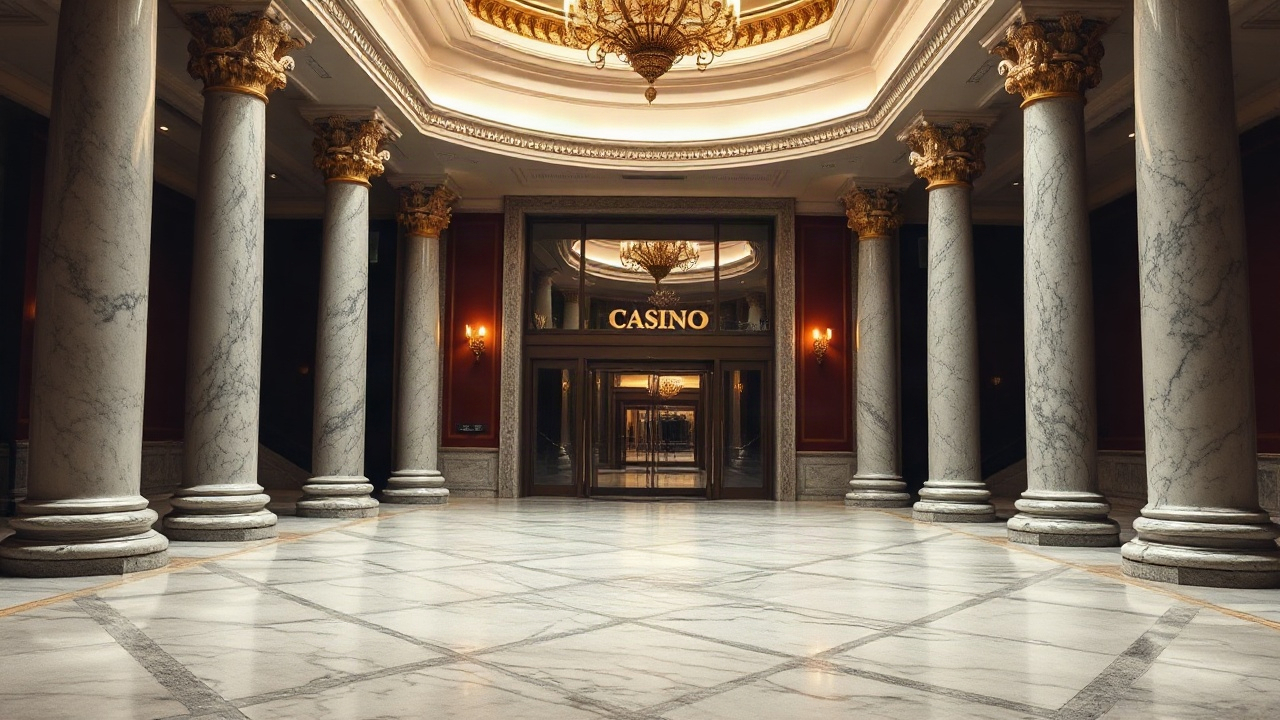
In most buildings, the architecture is designed to help you find the exit quickly in case of an emergency. In a casino, while they strictly follow fire safety codes, the visual path to the exit is often deliberately obscured. When you stand in the middle of a large casino floor, it is rare to see a direct, straight shot to the front doors. Instead, you see layers of gaming tables, bars, and lounges. The ‘exit’ signs are present as required by law, but they are often small or placed in a way that they don’t catch the eye compared to the glowing, neon-lit ‘CASHIER’ or ‘HIGH LIMIT’ signs.
This is known as ‘wayfinding manipulation.’ The goal is to make the journey to the exit an odyssey of temptation. To leave, a player must often navigate through several different ‘zones’ of gambling. Each zone offers a new opportunity to change one’s mind. ‘Maybe just one more spin on the way out,’ is a common thought induced by this layout. By placing the most popular and highest-energy games along the paths to the exits, architects increase the ‘friction’ of leaving. It’s not that you can’t leave, it’s just that there are so many interesting things to do before you get there.
This also applies to the placement of essential services. Bathrooms, ATMs, and restaurants are usually located deep within the property or at the very back of the gaming floor. To reach them, the guest must walk through the ‘gauntlet’ of gambling opportunities. This design ensures that even a simple trip to the restroom results in maximum exposure to the casino’s products. The architecture treats the guest’s movement as a resource to be harvested, ensuring that no path is a ‘dead’ path without a chance to play.
The Anatomy of a Casino Exit Path
- Visual Blockers: Large decorative pillars or displays that prevent a clear view of the street.
- The Lure of the ‘Next Zone’: Placing high-limit or novelty games near the transition points between the floor and the lobby.
- Service Anchors: Putting the most popular buffet or bar at the furthest point from the entrance.
- Non-Intuitive Design: Using a ‘hub and spoke’ layout that makes it easy to go in circles but difficult to find a radial line out.
This architectural choice works in tandem with the lack of windows. Because you can’t see the ‘outside’ from the floor, you have no visual lighthouse to guide you toward the doors. You are entirely dependent on the internal landmarks provided by the casino. If those landmarks are designed to keep you moving in a loop, the duration of your stay increases exponentially. It is a subtle form of behavioral control that turns the physical space into a partner for the house’s bottom line.
Cognitive Dissonance and the Architecture of Comfort
Ultimately, all these architectural choices—the missing clocks, the lack of windows, the complex carpets, and the scented air—work together to manage cognitive dissonance. Most people have an internal ‘budget’ for both time and money. When they exceed that budget, they feel a sense of discomfort or guilt. The architecture of the casino is designed to soothe that discomfort. By creating a space that feels ‘separate’ from the real world, the casino allows the player to compartmentalize their behavior. ‘What happens in Vegas stays in Vegas’ is not just a marketing slogan; it is an architectural reality.
When you are in a room where it is always 8:00 PM, where you are surrounded by luxury, and where there are no reminders of your 9:00 AM meeting tomorrow, it is much easier to justify ‘one more round.’ The architecture provides the moral and temporal permission to ignore the rules of the outside world. It creates a ‘magic circle’ where the normal consequences of time and fatigue are suspended. This is why the ‘playground’ model has become so successful; it replaces the ‘trap’ with a ‘rewarding environment’ that makes the player feel like they deserve to stay.
Modern casino designers are now focusing on biophilic design elements—natural shapes and textures—but still within the controlled, windowless environment. This evolution shows that the industry is moving toward a more sophisticated understanding of human psychology. It’s not about tricking people into staying; it’s about making them never want to leave. The architecture of gambling is a testament to the power of the built environment to shape human behavior, turning a simple room into a powerful engine of engagement and profit.
As we look at the future of land-based casinos, we see that while some elements are modernizing, the core principles remain. The sacred box of the casino floor remains largely intact. Even as digital gambling grows, the physical experience of the land-based casino relies on these architectural secrets to provide something a smartphone cannot: a total, multi-sensory immersion into a world where time truly does not exist. By mastering the air, the light, the sound, and the space, architects continue to build the most effective ‘timeless’ environments on the planet.
Key Takeaways for the Observant Visitor
- Trust your pulse, not the room: Your body will feel tired before your mind realizes it in a windowless space.
- The ‘Exit’ is a journey: Be aware that the path to the door is designed to be the most interesting path in the building.
- Light is a tool: If the room feels like it’s perpetually evening, your brain will struggle to trigger the ‘time to sleep’ hormones.
- Recognize the ‘Flow’: If you find yourself wandering aimlessly along curved paths, the architecture is working exactly as intended.