
The Historical Foundation of Gambling Elegance
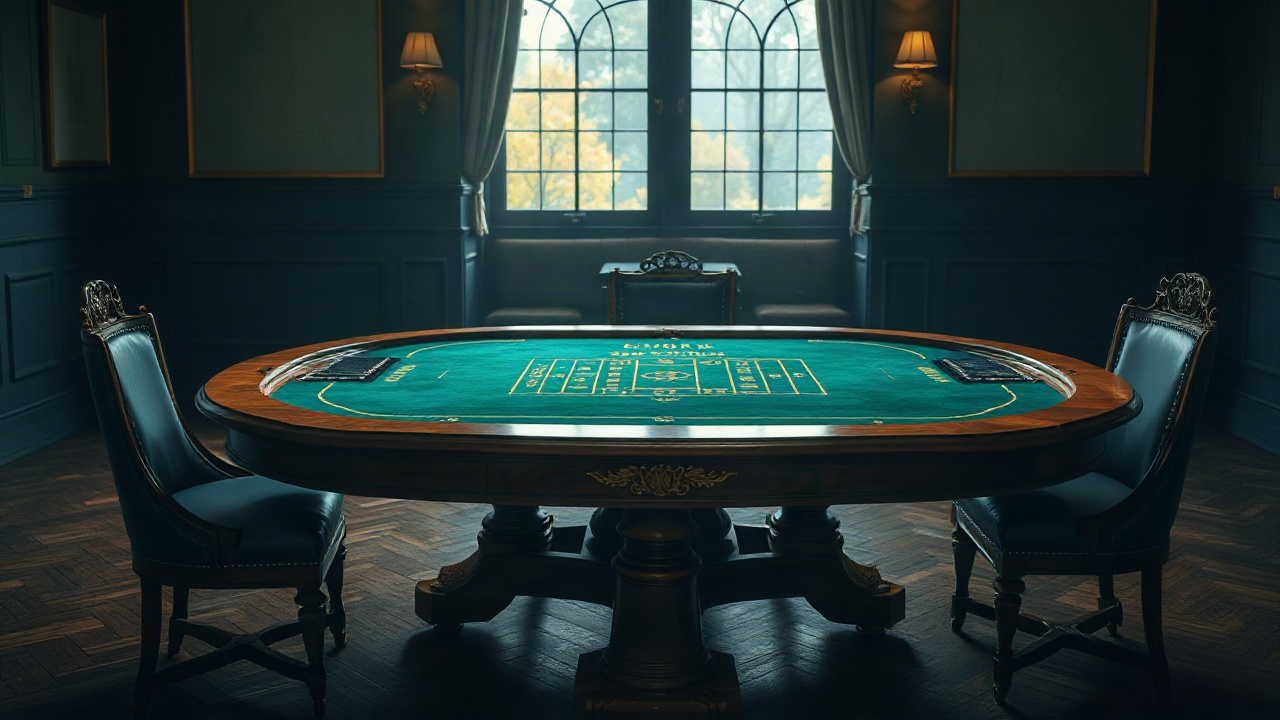
The concept of dressing up for a casino isn’t a modern invention; it is rooted in centuries of European aristocratic tradition. During the 18th and 19th centuries, gambling was not a pastime for the masses but an exclusive social gathering for the elite. Establishments like the Ridotto in Venice or the early incarnations of Baden-Baden were extensions of royal courts. The requirement for formal attire served as a social filter, ensuring that only those with the wealth to afford fine silks and tailored suits could enter. It was an unspoken contract where the venue provided luxury, and the guests provided the prestige.
In these historic settings, the tuxedo and the evening gown were symbols of respect for the house and the high stakes involved. A man in a dinner jacket was perceived as more disciplined, more serious about his wagers, and less likely to cause a scene. This psychological association between formal clothing and respectable behavior remains the cornerstone of elite casino culture today. Even as the world became more casual, the inner sanctums of Monte Carlo preserved these rules to maintain an aura of timelessness and untouchable luxury.
The transition from courtly gaming to public casinos did not immediately erode these standards. As the legendary Casino de Monte-Carlo opened its doors, it established a hierarchy of spaces. The public areas allowed for lighter dress, but the Salons Privés—the private rooms—remained strictly black-tie. This duality created an aspirational environment where players felt that by dressing better, they were literally stepping into a higher class of play and fortune.
Understanding this history is crucial to understanding why we still see a divide today. The physical environment of a grand casino—marble floors, gold-leaf ceilings, and heavy velvet curtains—demands a certain aesthetic from its occupants. To walk into such a space in gym shorts would be a visual dissonance, breaking the spell of the high-roller fantasy that the establishment works so hard to curate.
The Psychology of the Suit vs. the Pajama
Clothing significantly impacts human behavior and cognitive processes, a phenomenon known as enclothed cognition. When a player puts on a sharp suit or a sophisticated dress, their brain shifts into a state of higher alertness and calculated risk-taking. In the high-pressure environment of a land-based casino, this psychological armor can provide a sense of confidence. The rigidity of formal wear encourages a more upright posture, which in turn can lead to a more disciplined approach at the blackjack table or the roulette wheel.
Conversely, playing in pajamas or casual loungewear at home facilitates a state of total relaxation. Without the physical constraints of a tie or heels, the brain can focus entirely on the game mechanics and strategy. This lack of social pressure allows for a more personal, internalized experience. However, the danger of the ‘pajama effect’ is a potential lapse in discipline. Because the setting is informal, a player might treat their bankroll with less gravity than they would if they were standing under a five-figure chandelier in Monaco.
The comfort of home gaming creates a sense of safety. In a physical casino, the dress code acts as a reminder that you are in a professional environment where money is being exchanged. At home, the lines between leisure and high-stakes gaming blur. This is why many professional online poker players still choose to dress in ‘business casual’ even when working from their living rooms; they are trying to harness the psychological benefits of the dress code to maintain a professional mindset.
| Attire Type | Psychological State | Primary Benefit | Best For |
|---|---|---|---|
| Full Formal (Tuxedo/Gown) | High Alertness & Discipline | Social Prestige & Confidence | VIP Rooms & High-Stakes Galas |
| Business Casual | Professional Focus | Balance of Comfort and Logic | Tournament Play |
| Loungewear/Pajamas | Total Relaxation | Zero Social Anxiety | Low-Stakes Online Sessions |
Monte Carlo and the Preservation of the Black-Tie Legend
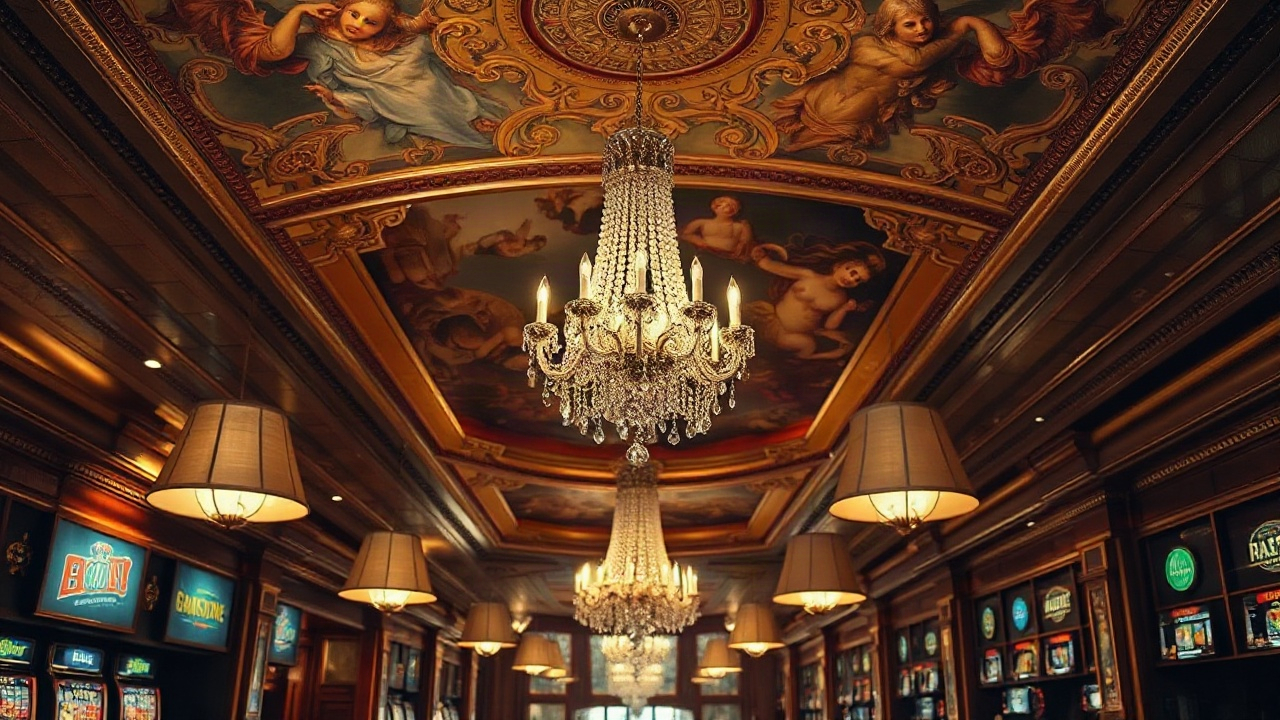
If there is one place on earth where the dress code is synonymous with the brand, it is the Casino de Monte-Carlo. This Mediterranean jewel does not just suggest a dress code; it enforces a lifestyle. The rules here are tiered based on the time of day and the specific room. During the afternoon, the requirements are more relaxed, allowing for ‘smart casual’ attire. However, as the sun sets over the harbor, the expectations sharpen significantly.
In the evening, shorts, sneakers, and flip-flops are strictly forbidden. As one moves deeper into the private gaming rooms, the requirement for jackets becomes mandatory. This is not merely about snobbery; it is about brand protection. Monte Carlo sells an experience of James Bond-esque sophistication. If the gaming floor were filled with tourists in cargo shorts, the allure of the destination would vanish. The dress code is the barrier that keeps the fantasy intact for everyone involved.
The enforcement of these rules is handled by the physiognomists—staff members trained to evaluate a guest’s appearance and demeanor in seconds. Their job is to ensure that every person in the room contributes to the overall atmosphere. This creates a feedback loop: because everyone looks wealthy and sophisticated, everyone feels they are part of an elite circle, which encourages higher spending and more dramatic play. It is a masterclass in atmospheric engineering where the guests are the primary decor.
The Digital Revolution: Why Online Casinos Ditch the Tie
The rise of online gambling flipped the script on the casino experience. The primary value proposition of online platforms is convenience and accessibility. Forcing a digital user to adhere to a dress code would be counterproductive to the medium. When you are playing on a smartphone from a sofa, the ‘house’ is your own home, and the rules of the house are yours to set. This democratization of gambling has allowed millions to enjoy games that were previously gated by social status and wardrobe requirements.
In the digital realm, the lack of a dress code is a feature, not a bug. It removes the ‘intimidation factor’ that often prevents newcomers from entering high-end physical establishments. An online player doesn’t have to worry about whether their watch is expensive enough or if their suit is tailored correctly. This focus on the user interface rather than the user’s appearance has shifted the industry’s focus toward speed, variety, and technological innovation.
However, the online world has found a middle ground through Live Dealer games. In these setups, the dealer is dressed in impeccably formal attire—often a tuxedo or a cocktail dress—while the player remains in their pajamas. This creates a unique hybrid experience where the player enjoys the visual prestige of a high-end casino from the comfort of their own environment. The dealer’s dress code serves to validate the legitimacy and seriousness of the game, even if the player is eating pizza while they bet.
Pros and Cons of Online Informal Play
- Pro: Zero cost associated with travel or expensive clothing.
- Pro: Comfort allows for longer, more focused gaming sessions.
- Pro: Privacy ensures no judgment from peers or staff.
- Con: Lack of environmental cues can lead to ‘casual’ overspending.
- Con: Absence of social interaction can make the win feel less celebratory.
Las Vegas: The Middle Ground of Casino Fashion

If Monte Carlo is the peak of formality, Las Vegas represents the ultimate middle ground. In the early days of the desert oasis, Vegas attempted to mimic the European style, with stars like Frank Sinatra and the Rat Pack setting a high bar for sartorial elegance. However, as Vegas transformed into a family-friendly tourist destination and a global party hub, the dress code evolved into a ‘come as you are’ philosophy—with notable exceptions.
On the main casino floors of the Strip, you will see a chaotic mix of attire. A person in a wedding tuxedo might be standing next to someone in a swimsuit cover-up. This accessibility is what made Vegas the gambling capital of the world. However, the city maintains ‘hidden’ dress codes within its high-limit lounges and upscale nightclubs. While you can play slots in a t-shirt, you likely won’t get a seat at a high-stakes baccarat table at the Wynn or the Bellagio without looking the part.
The Vegas strategy is to be inclusive by day and exclusive by night. This flexibility allows the city to capture every segment of the market. It recognizes that someone might want to play a few hands of craps after a pool party, but that same person might want to dress up for a fine-dining experience and high-stakes play later in the evening. This ‘situational’ dress code has become the blueprint for modern integrated resorts worldwide.
The Etiquette of Accessories: Watches, Shoes, and Hats
In the world of high-end gambling, the details often speak louder than the primary outfit. Accessories are the subtle indicators of status that players use to communicate with one another without saying a word. In a environment where everyone is wearing a dark suit, a luxury timepiece becomes the ultimate signifier of success. In places like London’s Les Ambassadeurs or the Ritz Club, the watch on a player’s wrist is often scrutinized as much as their betting strategy.
Footwear is another critical component of the casino dress code. Even in ‘smart casual’ environments, many upscale casinos have a strict ‘no sneakers’ policy after 6:00 PM. This is because shoes are often seen as the foundation of an outfit; if the shoes are cheap or dirty, the rest of the look collapses. Loafers, Oxfords, or elegant pumps are the standard. In the digital world, this translates to the ‘skins’ or avatars used in some VR casino environments, where players spend real money to dress their virtual selves in digital luxury goods.
Hats, interestingly, have a complicated relationship with casinos. Historically, gentlemen would remove their hats indoors. Today, many casinos prohibit hats, especially baseball caps, for security reasons. Security cameras need a clear view of a player’s face to prevent fraud and ensure safety. This is a rare instance where the dress code is dictated by technology and surveillance rather than just tradition or aesthetics.
The Future of Casino Attire: Virtual Reality and Beyond

As we move further into the era of the Metaverse and Virtual Reality (VR) casinos, the concept of a dress code is undergoing a radical transformation. In a VR casino, you can be ‘wearing’ a three-piece suit that glows with neon lights, or you can appear as a mythical creature. The physical reality of your pajamas becomes irrelevant as your digital avatar adheres to the social norms of the virtual space.
We are likely to see the rise of digital-only luxury fashion for gamblers. Just as people buy ‘skins’ in video games, casino enthusiasts may purchase exclusive digital apparel from high-end brands to wear in virtual high-roller rooms. This allows for a new form of expression that combines the prestige of Monte Carlo with the limitless imagination of the digital world. The ‘dress code’ becomes a piece of code, a digital asset that grants access to specific areas of the virtual casino.
However, the craving for physical, tactile luxury will likely never disappear. The weight of a heavy watch, the feel of a silk lining, and the clinking of real ceramic chips are experiences that technology can simulate but not yet fully replace. The future will likely be a bimodal reality: we will have the ‘Pajama Class’ of convenient, everyday gaming and the ‘Gala Class’ of rare, high-effort physical experiences that justify the tuxedo.
The Evolution of Gaming Environments
- 1800s: Private aristocratic clubs (Strict formal attire).
- 1950s: The Golden Age of Vegas (Suits and cocktail dresses as standard).
- 1990s: The rise of internet gambling (The birth of the ‘pajama’ player).
- Current Era: Integrated resorts (A mix of casual and extreme luxury).
- Future: Metaverse casinos (Digital avatars with virtual luxury goods).
Practical Tips for Navigating Any Casino Environment
Whether heading to a local gaming hall or planning a trip to the French Riviera, understanding the nuances of dress can enhance the experience. The goal is never to feel out of place, as social discomfort can lead to poor decision-making at the tables. A well-prepared player is a confident player.
When in doubt, the ‘Smart Casual’ approach is the safest bet for most global casinos. This typically means a collared shirt, dark denim or chinos, and leather shoes for men, and a wrap dress or elegant separates for women. This look is versatile enough to pass through most security checks while remaining comfortable enough for several hours of play. It bridges the gap between the extremes of the tuxedo and the tracksuit.
For those playing at home, the ‘dress code’ should be about optimizing the environment. While pajamas are comfortable, creating a dedicated ‘gaming space’ that feels separate from where you sleep can help maintain mental clarity. Lighting, a comfortable chair, and a clean desk can serve as the ‘attire’ for your digital session, providing the structure needed to play responsibly and effectively.
Casino Packing Checklist
- Dark Blazer: The easiest way to upgrade a casual look instantly.
- Leather Shoes: Avoids the ‘no sneakers’ rejection at the door.
- Formal Shirt: Essential for entry into VIP or private lounges.
- Tailored Trousers: Much more respected than jeans in European venues.
- Confidence: The one accessory that works in both Monte Carlo and on a webcam.